Commercial Stair Climber Package for 5-Star Hotels | Bick OEM Manufacturer
Most hotel procurement teams treat stair climbers as generic cardio gear, but in a five-star property, they are acoustic liabilities.
Selecting the right commercial stair climber for hotels requires prioritizing vibration isolation and motor redundancy over raw performance metrics. The core challenge is not just durability, but integrating silent operation into multi-story structures where guest sleep quality directly impacts brand reputation. A proper commercial stair climber for hotels package must include floating base engineering and industrial-grade drive systems designed for frequent start-stop cycles, rather than continuous gym-style usage.
This distinction often gets lost in standard procurement catalogs. When I first started handling installation projects from our Shenzhen base, I assumed that if a machine worked well in a commercial gym, it would work perfectly in a hotel. That assumption led to a costly lesson in Dubai. We had delivered a batch of standard heavy-duty units to a luxury resort on the Palm Jumeirah. The machines were robust, built for high-volume gym traffic, and technically flawless. However, the fitness center was located directly above the spa’s relaxation lounge. Within days, the front desk was flooded with complaints about rhythmic thumping noises during peak morning hours. The issue wasn’t the machine’s internal noise level; it was the structural transmission of impact forces through the building’s slab. We had to retrofit every unit with specialized isolation pads and adjust the leveling feet to decouple the frame from the floor. That experience reshaped how I approach every commercial stair climber for hotels inquiry today. It is not about selling a machine; it is about solving an architectural integration problem.
Why Do 5-Star Hotels Need Specialized Stair Climbers?
Guest experience drives equipment selection in hospitality, not just technical specifications.
In a commercial gym, users expect a certain level of ambient noise and mechanical presence. In a five-star hotel, the expectation is invisibility. The commercial stair climber for hotels must blend into the aesthetic while operating so quietly that its presence is barely noticed. This requires a fundamental shift in design philosophy. Standard gym models prioritize maximum resistance and high-intensity output, often resulting in heavier flywheels and more aggressive drive trains. Hotel guests, however, typically engage in shorter, moderate-intensity sessions. They are less concerned with hitting personal bests and more concerned with comfort and privacy.
The aesthetic integration is equally critical. A bulky, industrial-looking machine can disrupt the curated ambiance of a boutique hotel gym or a luxury resort wellness suite. The commercial stair climber for hotels needs to feature streamlined profiles, premium finishes, and compact footprints that respect the limited square footage often allocated to hotel fitness centers. Unlike large chain gyms that can dedicate entire floors to equipment, hotels must maximize utility in smaller spaces. This means the equipment must offer a full range of motion and resistance without dominating the room visually or physically.
From a procurement perspective, this means looking beyond the spec sheet. You need a partner who understands the hospitality context. A manufacturer that only produces gym-grade equipment may not have the design sensitivity required for high-end hotels. The commercial stair climber for hotels should feel like a piece of furniture as much as a piece of exercise equipment. This balance between form and function is what separates a generic supplier from a specialized hospitality partner. The goal is to provide a commercial stair climber for hotels that enhances the guest’s stay rather than just occupying space.
The Hidden Cost of Noise: Solving Vibration in Multi-Story Hotels
Proper isolation prevents structural complaints and protects brand reputation.
Noise in hotels is rarely about air-borne sound; it is about structure-borne vibration. When a guest steps onto a stair climber, the impact force travels through the machine’s frame, into the floor, and through the building’s structure. In a multi-story hotel, this can manifest as a low-frequency hum or thud in the rooms below. This is particularly problematic for wellness floors, where spas, yoga studios, or quiet lounges are often located adjacent to or beneath fitness areas.
To mitigate this, the commercial stair climber for hotels must be equipped with advanced vibration damping systems. This goes beyond simple rubber feet. Effective solutions involve floating base designs that decouple the machine from the building structure. These bases use high-density elastomers or spring systems to absorb impact energy before it reaches the floor. [NEED_CITE: principles of structure-borne noise transmission in multi-story buildings]. Additionally, the placement of the equipment within the room matters. Positioning machines away from load-bearing walls and columns can reduce the transmission of vibrations to other parts of the building.
During the Dubai project, we learned that standard gym flooring was insufficient. We had to install a dedicated sub-floor system with layered damping materials beneath the commercial stair climber for hotels. This added cost and complexity to the installation, but it eliminated the complaints entirely. For new builds, it is crucial to involve the equipment supplier early in the design phase. They can advise on floor loading requirements and recommend specific isolation techniques. Retrofitting existing properties is more challenging, but still possible with the right commercial stair climber for hotels configuration. Some manufacturers offer modular isolation kits that can be added to existing units, though this is less effective than designing for isolation from the start.
The key takeaway is that silence is engineered, not accidental. A commercial stair climber for hotels that claims to be "quiet" based on internal motor noise tests may still cause significant structural vibration. Buyers must ask for data on vibration transmission, not just decibel levels. This is a nuanced aspect of hospitality procurement that often gets overlooked until it is too late.
Durability vs. Usage Patterns: Designing for 24/7 Hotel Operations
Commercial-grade components withstand frequent start-stop cycles better than standard gym models.
Hotel fitness centers operate differently from commercial gyms. In a gym, users may spend thirty minutes to an hour on a machine, leading to sustained, steady-state operation. In a hotel, usage is characterized by short, frequent bursts. A guest might use the commercial stair climber for hotels for ten minutes before heading to a meeting or the pool. This pattern results in significantly more start-stop cycles per day. Each start-up places a high torque load on the motor and drive system. Over time, this can lead to premature wear if the machine is not designed for it.
Standard gym models are often optimized for continuous use, with motors sized for steady loads. Hotel-specific models need motors with higher starting torque and robust thermal management to handle repeated acceleration. [NEED_CITE: motor stress factors in intermittent vs continuous operation]. Additionally, the control systems must be responsive and reliable, as guests expect immediate feedback when they step on. Lag or inconsistency in resistance adjustment can lead to frustration and negative reviews.
Another factor is maintenance accessibility. Hotel engineering teams are often small and focused on critical building systems. They may not have the specialized skills or tools to service complex fitness equipment. Therefore, the commercial stair climber for hotels should be designed for easy maintenance. Components like belts, bearings, and electronics should be easily accessible without requiring extensive disassembly. Spare parts availability is also crucial. A broken machine in a hotel gym is a visible failure that guests notice immediately. Having a supply chain that can deliver parts quickly is essential for maintaining operational continuity.
We have seen cases where hotels purchased gym-grade equipment only to face frequent breakdowns due to the high cycle count. Switching to a commercial stair climber for hotels with industrial-grade components reduced maintenance calls significantly. The initial investment was higher, but the total cost of ownership was lower due to reduced downtime and repair costs. This is a classic example of why understanding usage patterns is critical in equipment selection.
Turnkey Solutions: From Layout Design to After-Sales Support
Integrated packages ensure aesthetic consistency and operational ease.
Procuring fitness equipment for a hotel is not just about buying individual machines. It is about creating a cohesive fitness environment that aligns with the hotel’s brand and operational needs. This is where turnkey solutions become valuable. A commercial stair climber for hotels package should include not just the machine, but also layout design, flooring recommendations, and after-sales support.
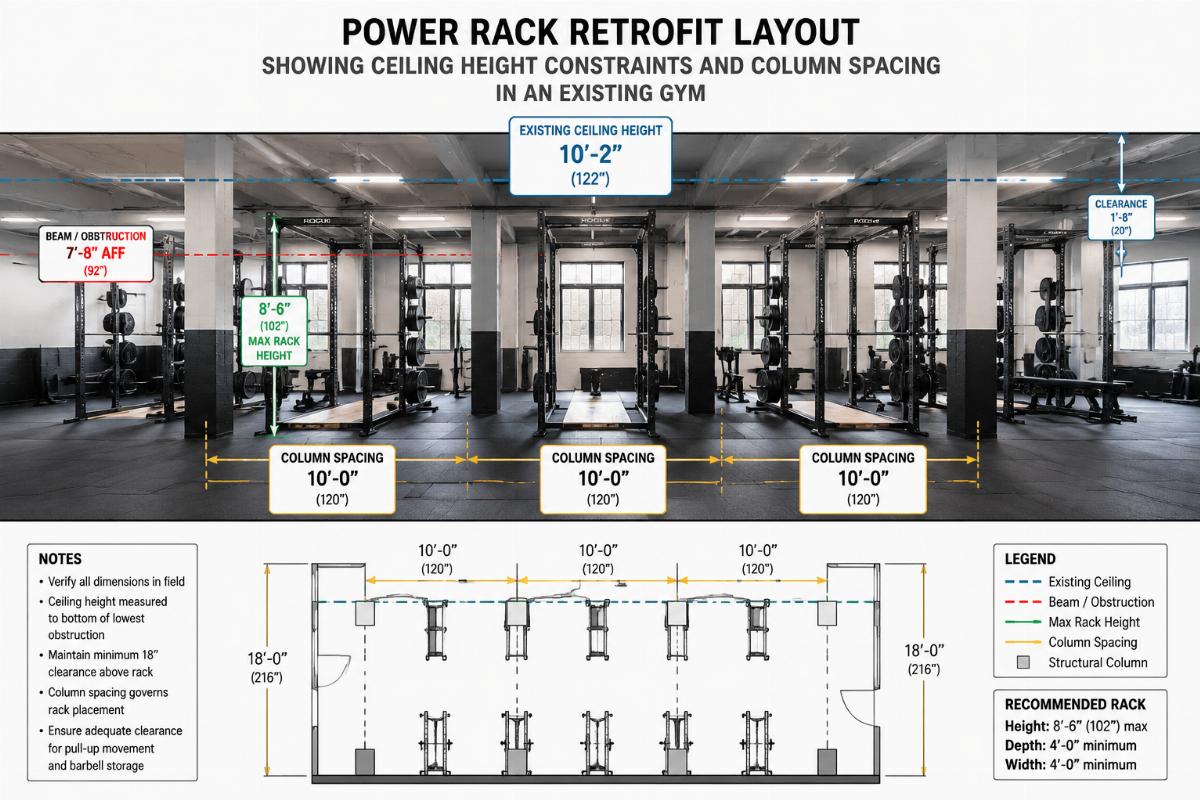
Layout design is crucial for maximizing space and ensuring safe traffic flow. A poorly planned gym can feel cramped and unsafe, deterring guests from using it. Professional designers can optimize the placement of the commercial stair climber for hotels alongside other equipment to create a balanced and inviting space. They can also advise on lighting, ventilation, and acoustics to enhance the overall experience.
After-sales support is equally important. Hotels operate globally, often in remote locations. Having a supplier with a global service network ensures that issues can be resolved quickly, regardless of location. This includes remote troubleshooting, on-site repairs, and regular maintenance checks. A commercial stair climber for hotels is a long-term investment, and reliable support is key to protecting that investment.
For hotels looking to refresh their fitness offerings, a turnkey package simplifies the process. Instead of coordinating with multiple vendors for equipment, flooring, and design, they can work with a single partner. This reduces complexity and ensures that all components work together seamlessly. The commercial stair climber for hotels becomes part of a holistic solution, rather than an isolated purchase. This approach is particularly beneficial for hotel groups managing multiple properties, as it allows for standardization across locations.
Conclusion
Silence, durability, and integration define the value of a hotel stair climber.
Choosing the right commercial stair climber for hotels is a strategic decision that impacts guest satisfaction and operational efficiency. It requires moving beyond basic specifications to consider acoustic engineering, usage patterns, and holistic design. By prioritizing vibration isolation, motor redundancy, and turnkey support, hotels can create fitness environments that enhance their brand rather than compromise it. The commercial stair climber for hotels is not just a piece of equipment; it is a component of the guest experience.