Functional Rig Storage Handling During Off-Season Wholesale Supplier
Most rig failures after seasonal downtime are not material defects—they are storage failures.
Proper functional rig storage handling during off-season requires systematic disassembly, elevation on moisture-blocking pallets, climate-controlled staging with humidity below 60 percent, and color-coded labeling to prevent corrosion, hole misalignment, and structural deformation.
I started welding frames in a Suzhou fabrication shop long before I ever spoke to an overseas buyer. When our factory began exporting functional rigs to North American studio chains, I assumed the steel quality was the main variable. Then one spring, a client sent photos of uprights with black oxidation at the base and misaligned connector holes. The beams would not slide into place. Their complaint was simple: your steel is weak. The truth was the opposite. The rigs had been stacked directly on a concrete floor in an unheated warehouse for an entire winter. Moisture wicking from the slab, combined with the dead weight of dozens of components pressing together, caused stress distortion and surface corrosion. The material passed every mill test. The storage method did not. That pattern repeats across regions—from desert gyms in the Middle East to tropical resort hotels in Southeast Asia. The root cause is almost always environmental exposure and poor stacking discipline, not metallurgy. [NEED_CITE: corrosion mechanisms in steel structures stored on concrete slabs per ASTM G189]

If you are sourcing functional rigs for commercial deployment, understanding how to store them during seasonal closures protects your capital investment and avoids costly reinstallation delays. Here is the field-tested protocol.
Why Does Improper Off-Season Storage Damage Functional Rigs?
Ground moisture and uncontrolled stacking pressure are the primary drivers of rig degradation during downtime—not the steel grade itself.
Commercial functional rigs are typically fabricated from cold-rolled or hot-rolled steel with powder-coated or electroplated finishes. These coatings perform well under normal gym conditions but are vulnerable when components rest on damp surfaces or are compressed under uneven loads. Concrete floors, even indoors, transmit capillary moisture. When uprights sit directly on the slab, the bottom edges absorb humidity continuously. Over weeks, this leads to subsurface oxidation that lifts the coating from the inside out. [NEED_CITE: moisture transmission rates through concrete slabs per ACI 302.1R]
In one case, a CrossFit box in the Pacific Northwest closed for three winter months. The owner disassembled the rig and leaned the uprights against a warehouse wall,横梁 resting on top. By reopening day, the contact points between beams and uprights showed visible pitting. The hole patterns had shifted just enough to require reaming before reassembly. The replacement cost for damaged connectors and fasteners ran into the mid-four figures—entirely avoidable.
Another pattern appears in hot-humid climates. A fitness distributor in the Gulf region stored modular rig sections in a non-climate-controlled yard during the summer off-peak. Within half a year, the internal threads of the connecting bolts were seized with oxide. The rig’s modularity—its key selling point—was compromised. Expansion became impossible without full bolt replacement.
The core insight is this: steel does not rust because it is weak. It rusts because the storage environment violates basic isolation principles. [NEED_CITE: corrosion prevention guidelines for structural steel per NACE SP0169]

How to Properly Disassemble and Label Rig Components Before Storage?
Systematic teardown with color-coded tagging reduces reassembly time dramatically and prevents hole misalignment errors.
The most common mistake gym operators make is treating disassembly as a simple reversal of installation. They pull bolts, drop parts in a pile, and assume everything will fit back together months later. In practice, modular rigs use repeated hole patterns—often with slight dimensional variations between production batches. Without labeling, reassembly teams spend excessive time forcing mismatched joints or drilling new holes, which voids warranties and weakens structural integrity.
The correct approach follows a sequential tagging system:
-
Assign a color code per structural zone. For example, red tags for left-side uprights, blue for right-side, yellow for cross-beams, green for pull-up bars and accessory mounts. Use weather-resistant adhesive labels or zip-tied plastic tags.
-
Number components within each color group sequentially from bottom to top, left to right. This preserves the original assembly order and ensures load-bearing holes align correctly.
-
Photograph each connection point before disassembly. A simple phone camera record of bolt orientation and washer placement eliminates guesswork. Store photos in a folder named by rig serial number.
-
Bag all fasteners by joint group. Label each bag with the corresponding tag color and sequence number. Never mix hardware from different connection types—M10 bolts for base plates differ from M8 bolts for J-cup mounts.
-
Record the disassembly sequence in a log. Note any components that showed early wear, loose fits, or coating damage. This log becomes the inspection checklist for reinstallation.
A boutique studio chain in the northeastern US adopted this system after their third reinstallation took twice as long as the original build. After implementing color-coded tagging, their spring reopening dropped from a two-day crew effort to a single afternoon. [NEED_CITE: assembly efficiency gains from standardized labeling in modular structures per OSHA guidelines]

What Are the Correct Stacking and Elevation Methods for Long-Term Storage?
Elevating the bottom layer by at least 15 centimeters and maintaining ventilation gaps between components prevents moisture entrapment and pressure deformation.
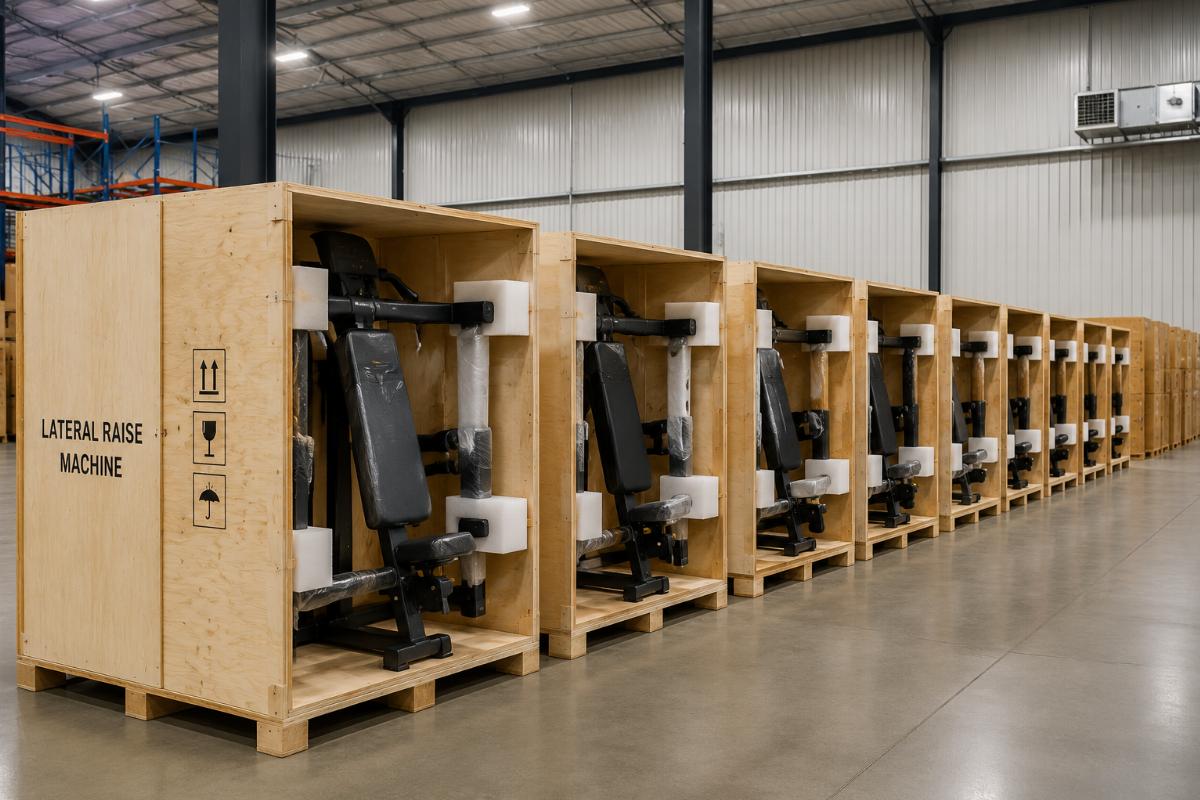
Once disassembled and labeled, the physical arrangement of stored rig parts determines whether they survive the off-season intact. Stacking components directly on the floor is the single most destructive practice. Even in dry warehouses, concrete and tile floors conduct ambient humidity. The solution is straightforward but frequently ignored.
Follow these stacking principles:
-
Use moisture-blocking pallets or treated timber sleepers. Place all uprights and beams on a raised platform. The minimum clearance from the floor surface should be 15 centimeters. Plastic pallets outperform wood in humid environments because they do not absorb and retain moisture.
-
Maintain ventilation gaps between components. Uprights stored flat should be separated by spacers—typically 5 to 8 centimeters apart. This allows air circulation on all metal surfaces, preventing condensation pockets. Never stack powder-coated faces directly against each other without a protective interleaving material.
-
Store beams vertically when possible. Horizontal beam storage concentrates weight on the middle span, which can cause gradual bowing over months. Vertical storage against a padded wall rack preserves straightness. If horizontal storage is unavoidable, support the beam at both ends and the midpoint to distribute load.
-
Separate accessories into dedicated bins. Pull-up bars, dip handles, landmine posts, and band pegs should be stored in labeled containers, not mixed with structural components. Small parts are the first to get lost or damaged in bulk storage.
-
Avoid over-stacking height. The weight of upper layers compresses lower layers. For heavy-gauge uprights, limit stack height to prevent edge deformation at contact points.
A resort hotel operator in Southeast Asia learned this the hard way. During monsoon season, they moved their rig components into a ground-floor storage room without pallets. The concrete floor sweated continuously. Within weeks, the bottom layer of uprights developed surface rust that penetrated the coating. The repair and recoating cycle delayed their reopening by over a month. [NEED_CITE: warehouse stacking standards for metal goods per ASTM D4774]

Which Environmental Conditions Must Be Controlled During Off-Season Storage?
Relative humidity below 60 percent, stable temperature, and adequate airflow are non-negotiable for preserving coatings and connector integrity.
Even with proper elevation and labeling, the ambient storage environment dictates long-term outcomes. Metal components in uncontrolled environments experience daily temperature swings that cause condensation on surfaces. This cyclic wetting accelerates corrosion far faster than steady-state humidity.
The environmental control framework includes:
-
Humidity management. Keep relative humidity below 60 percent. In tropical or coastal regions, this requires dehumidification equipment in the storage area. Desiccant packs inside component bags provide secondary protection but cannot replace room-level control.
-
Temperature stability. Daily temperature fluctuations should stay within a narrow band—ideally no more than 10 degrees Celsius variation. Rapid cooling causes moisture to condense on cold metal surfaces. Insulated storage spaces or climate-controlled warehouses eliminate this risk.
-
Air circulation. Stagnant air traps moisture around components. Install low-speed fans or ensure natural cross-ventilation. The goal is to prevent microclimates from forming within storage stacks.
-
Light exposure. Direct sunlight degrades powder coatings over time, causing chalking and color fade. Store rigs in shaded areas or cover them with breathable fabric tarps—never plastic sheeting, which traps condensation.
-
Pest and contaminant control. Rodents and insects can nest inside hollow uprights or chew protective wraps. Seal storage areas and inspect periodically for signs of infestation.
A fitness equipment distributor in Latin America stored a full container of rigs in a coastal warehouse without dehumidification. The salt-laden air combined with daily temperature swings created a corrosive environment. By the time the rigs reached end users, the connector sleeves showed early oxidation. The distributor absorbed the cost of replacement parts and expedited shipping—a loss that could have been prevented with basic climate control. [NEED_CITE: indoor storage climate requirements for metal goods per ASHRAE Handbook]

How to Inspect and Prepare Rigs for Reinstallation After Off-Season?
Pre-reinstallation inspection of hole alignment, coating integrity, and connector threads prevents installation delays and structural compromises.
The final phase of off-season management is the reopening inspection. Skipping this step leads to on-site surprises—misaligned holes, seized bolts, or coating damage that only becomes visible under assembly stress.
The inspection protocol should include:
-
Verify hole alignment on all uprights and beams. Insert a test pin or bolt into each connection point. Any resistance or misalignment indicates deformation that must be addressed before installation. Do not force components together—this creates hidden stress points.
-
Check coating integrity across all surfaces. Look for bubbling, peeling, or discoloration that signals subsurface corrosion. Minor surface rust can be cleaned and touched up, but widespread coating failure requires professional recoating.
-
Inspect all connector threads and fasteners. Run a die or tap through threaded holes to clear any oxide buildup. Replace any bolts that show stretching, thread damage, or corrosion pitting. Never reuse compromised fasteners.
-
Review the disassembly log. Cross-reference the original notes with current conditions. Components flagged for early wear should receive priority inspection or replacement.
-
Test accessory mounts and adjustment mechanisms. J-cups, safety straps, and pulley systems should move freely. Lubricate moving parts with dry film lubricant—avoid wet oils that attract dust.
-
Confirm base plate flatness. Place each upright on a level surface. Any rocking indicates base plate warping that must be corrected before bolting to the floor.
A commercial gym operator in the UK followed this protocol after a six-month closure. They identified three uprights with slight base warping and a batch of bolts with seized threads. By addressing these issues during the inspection phase, they avoided a two-day installation delay and ensured the rig met load-bearing specifications. [NEED_CITE: pre-installation inspection standards for structural steel per AISC guidelines]

Conclusion
Off-season storage is not passive—it is an active preservation process that determines rig longevity and reinstallation efficiency.
Functional rig storage handling during off-season demands disciplined disassembly, elevation on moisture-blocking supports, climate-controlled environments, and systematic pre-reinstallation inspection. When executed correctly, these steps eliminate the corrosion, deformation, and alignment errors that plague poorly stored equipment. For gym operators and equipment distributors, the investment in proper storage protocols pays for itself in reduced downtime, lower replacement costs, and extended service life of commercial-grade rigs.