Hex Rubber Dumbbell Set for Cruise Ship Gyms: OEM Wholesale Supplier
Standard commercial rubber dumbbells are often illegal for use in cruise ship fitness centers due to maritime fire safety regulations.
Procurement for marine environments requires hex rubber dumbbell sets that strictly comply with the International Maritime Organization (IMO) Fire Test Procedures Code, utilize low-VOC rubber compounds to prevent odor accumulation during long transits, and feature marine-grade corrosion-resistant handles to withstand high-salinity air. Failure to meet these specific criteria results in cargo rejection at port or premature equipment failure.
I still remember the silence on the phone line when a client in Valparaiso told me they could not unload our container. It had been forty days at sea, crossing the equator twice. The heat inside the steel container had baked the standard rubber coating, releasing a pungent chemical odor that permeated the entire shipment. The cruise line’s facility manager refused acceptance, citing both the smell and a lack of proper IMO fire certification documentation. That loss was not just financial; it was a lesson in how terrestrial fitness standards fail completely in a marine context. A cruise ship fitness center equipment procurement strategy must account for variables that land-based gyms never face: constant motion, aggressive salt air, and rigid international safety codes.
The transition from land to sea changes every specification. What works in a shopping mall gym becomes a liability on a vessel. Buyers often assume that "commercial grade" is a universal standard. It is not. The maritime industry operates under a different set of physical and legal constraints. Understanding these constraints is the first step in successful cruise ship fitness center equipment procurement.
Why Do Cruise Ship Gyms Need Specialized Hex Dumbbells?
Maritime safety regulations and environmental conditions create a unique set of requirements that standard commercial free weights cannot meet.
On land, a gym owner worries about foot traffic and aesthetics. On a ship, the primary concerns are fire safety and structural integrity. The International Maritime Organization (IMO) enforces strict guidelines through the FTP Code (Fire Test Procedures). Many standard rubber coatings used in domestic gyms contain materials that do not meet these flammability and smoke density standards. Using non-compliant materials can lead to severe penalties during safety inspections and, more importantly, poses a genuine risk to passengers and crew in an emergency.
Furthermore, the physical environment of a ship is hostile to metal and rubber. Salt air is corrosive. Standard chrome plating, which might last years in a dry inland gym, can begin to pit and peel within months on a tropical cruise route. The constant vibration and rolling motion of the vessel also demand equipment that is inherently stable. Round dumbbells roll away when placed down, creating a tripping hazard in a moving room. Hexagonal designs prevent rolling, ensuring that weights stay where they are placed even when the ship encounters rough seas.
When managing cruise ship fitness center equipment procurement, buyers must verify that the rubber compound is not only durable but also certified for low smoke emission. This is not a optional feature; it is a regulatory necessity. The difference between a compliant and non-compliant set is often invisible to the naked eye, which is why documentation and supplier verification are critical. A cruise ship fitness center equipment procurement plan that ignores these regulatory nuances risks having entire shipments held at customs or rejected by the ship’s safety officer.
What Are the Critical Material Standards for Marine Fitness Equipment?
Material selection for marine gyms must prioritize IMO fire compliance and superior corrosion resistance over aesthetic appeal.
The core of any dumbbell is its handle and its coating. For cruise ships, these two components require specialized engineering. Standard cast iron handles with basic chrome plating are insufficient for the saline environment. Marine-grade stainless steel or heavily protected alloy steels are necessary to prevent rust. Rust not only degrades the equipment but can also stain the expensive flooring and upholstery typical of luxury cruise liners.
The rubber coating itself must be scrutinized. It is not enough for the rubber to be durable. It must be formulated to resist off-gassing. As seen in the Valparaiso incident, heat buildup in shipping containers can cause lower-quality rubber to release volatile organic compounds (VOCs). These odors are difficult to remove and can render a gym unusable until the air clears. High-quality, low-VOC rubber compounds are essential. Additionally, the rubber must meet specific fire safety standards.
| Feature | Standard Commercial Grade | Marine-Compliant Grade |
|---|---|---|
| Handle Material | Chrome-plated steel | Marine-grade stainless or enhanced anti-corrosion alloy |
| Rubber Compound | Standard recycled or virgin rubber | Low-VOC, IMO FTP Code compliant rubber |
| Fire Safety | Basic flammability resistance | Certified low smoke density and flame spread |
| Corrosion Resistance | Moderate (suitable for inland) | High (resistant to salt spray and high humidity) |
| Certification | CE or local safety standards | IMO MED (Marine Equipment Directive) compatible |
[NEED_CITE: IMO FTP Code requirements for surface materials in public spaces]
Verifying these standards requires more than a brochure. Buyers must request test reports from independent laboratories. A reputable cruise ship fitness center equipment procurement process includes reviewing these certificates before production begins. Without them, the equipment is merely decorative, not functional, in a regulated maritime environment. Sourcing from a reliable cruise ship fitness center equipment procurement partner means ensuring they have experience with these specific certifications.
How to Optimize Layouts for Limited Shipboard Space?
Space optimization on cruise ships relies on compact equipment designs and strategic weight distribution to maximize utility in minimal square footage.
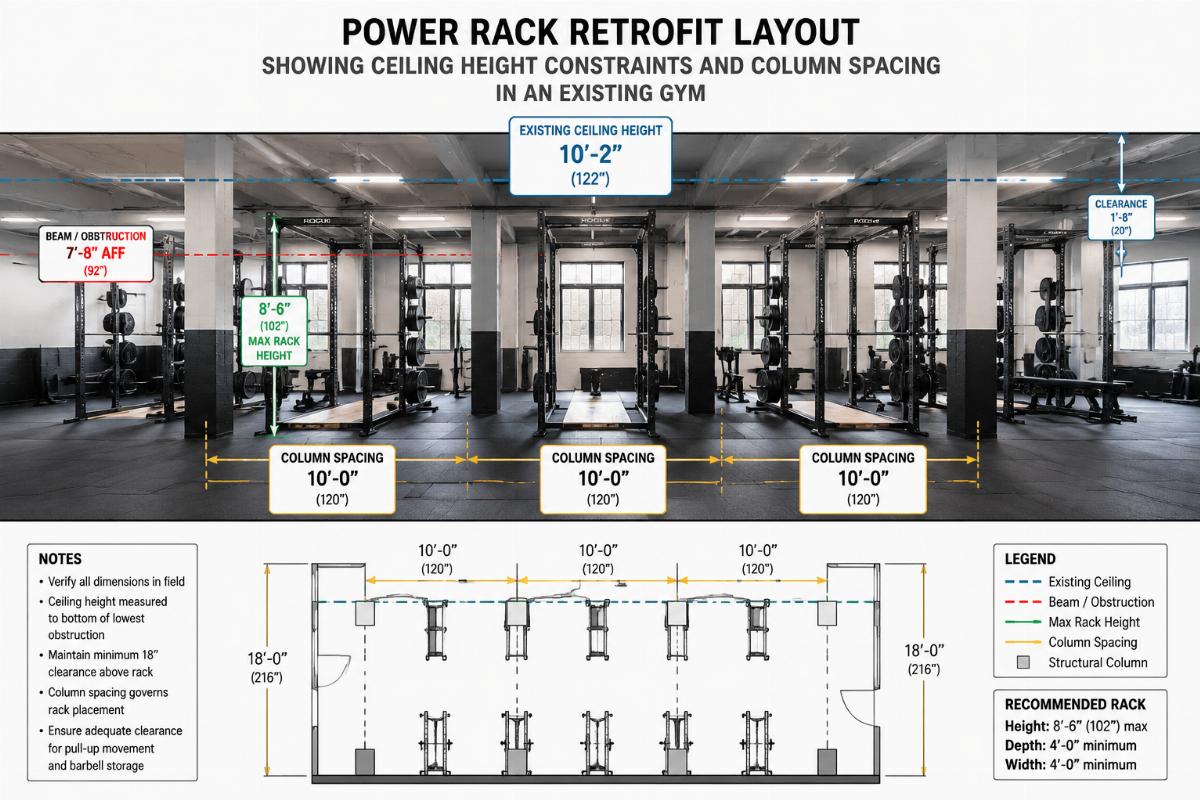
Real estate on a ship is measured in premium dollars per square meter. Unlike land-based gyms that can expand horizontally, cruise ship gyms are confined by the vessel’s hull structure. Every piece of equipment must justify its footprint. Hex rubber dumbbells are ideal for this constraint because their shape allows for tight, efficient racking. They do not require the wide clearance needed for round weights that might roll.
A common mistake in cruise ship fitness center equipment procurement is ordering a full range of weights without considering the actual usage patterns of passengers. Cruise goers often prefer lighter to moderate weights for toning and endurance rather than heavy powerlifting. A smart layout focuses on a dense range of lighter weights (2kg to 15kg) rather than spreading resources across extreme heavy weights that see little use. This approach maximizes the variety available to users while minimizing the floor space required for storage.
The rack design itself matters. Vertical storage solutions or tiered racks that hold multiple weight pairs in a narrow footprint are essential. The goal is to provide a comprehensive strength training option without encroaching on the space needed for cardio machines, which are often the primary draw for cruise passengers. Effective cruise ship fitness center equipment procurement involves calculating the ratio of weight variety to floor area. By choosing compact hex designs, facilities can offer a broader selection of weights in the same space that would otherwise hold only a limited set of round dumbbells. This efficiency is crucial for maintaining the open, airy feel that luxury travelers expect.
What Logistics Challenges Should Buyers Anticipate?
Long transit times and varying climate zones during shipping require proactive management of packaging and material stability.
Shipping fitness equipment to remote ports or following a cruise ship’s itinerary involves complex logistics. The journey from a manufacturing hub in Asia to a port in Latin America or Europe can take weeks. During this time, containers are exposed to fluctuating temperatures and humidity levels. As noted earlier, this can affect rubber components. Proper ventilation in packaging and the use of desiccants are standard practices, but the material quality itself is the first line of defense.
Documentation is another critical hurdle. Customs authorities in different countries have varying requirements for importing fitness equipment. For marine-specific gear, additional certificates regarding fire safety and material composition may be required. Missing or incorrect paperwork can lead to delays, demurrage charges, and even seizure of goods. A smooth cruise ship fitness center equipment procurement process includes pre-clearance checks with local agents at the destination port.
Buyers should also consider the timing of delivery relative to the ship’s schedule. Cruise ships operate on tight itineraries. Equipment arriving late can disrupt the opening of new facilities or the refurbishment of existing ones. Consolidating loads efficiently helps mitigate some of these risks, but it requires precise coordination. Working with a supplier who understands the nuances of cruise ship fitness center equipment procurement ensures that packaging is robust enough to withstand handling at multiple ports and that documentation is complete and accurate. This attention to detail prevents the costly delays that can arise from logistical oversights.
Conclusion
Successful marine fitness outfitting demands adherence to strict safety codes and material durability standards that exceed land-based norms.
Procuring equipment for cruise ships is not simply about buying weights; it is about ensuring safety, compliance, and longevity in a challenging environment. By focusing on IMO-compliant materials, corrosion-resistant construction, and space-efficient designs, buyers can avoid common pitfalls. Proper planning and verification of certifications are essential steps in any cruise ship fitness center equipment procurement project.