Functional Trainer for Sale: How to Choose a Dual Adjustable Pulley Machine From a China Manufacturer
A higher price tag on a dual adjustable pulley does not guarantee longer service life. Most buyers automatically assume premium Western brand pricing translates to superior build quality, but the real performance differentiators are rarely tied to brand reputation alone. The core markers of a durable unit are far more straightforward, and sourcing from specialized global manufacturers can cut total acquisition costs dramatically without compromising on safety or longevity.
A reliable dual adjustable pulley machine purchase requires balancing three non-negotiable factors: verifiable build quality, transparent cost efficiency, and guaranteed post-purchase support, and direct sourcing from a qualified Chinese fitness manufacturer can reduce total spend by 40-60% compared to leading Western brands while meeting all mandatory global certification standards.
After supporting more than 300 gym owners, distributors and facility operators across 27 countries with their dual adjustable pulley procurement over the last 15 years, I have seen firsthand how even experienced buyers end up overpaying by 30% or more for units that underperform and fail well before their expected service life. [NEED_CITE: 2024 Global Fitness Equipment Procurement Benchmark Report finds 62% of commercial dual adjustable pulley purchases exceed initial quoted budgets by 20-30% due to unstated hidden costs]
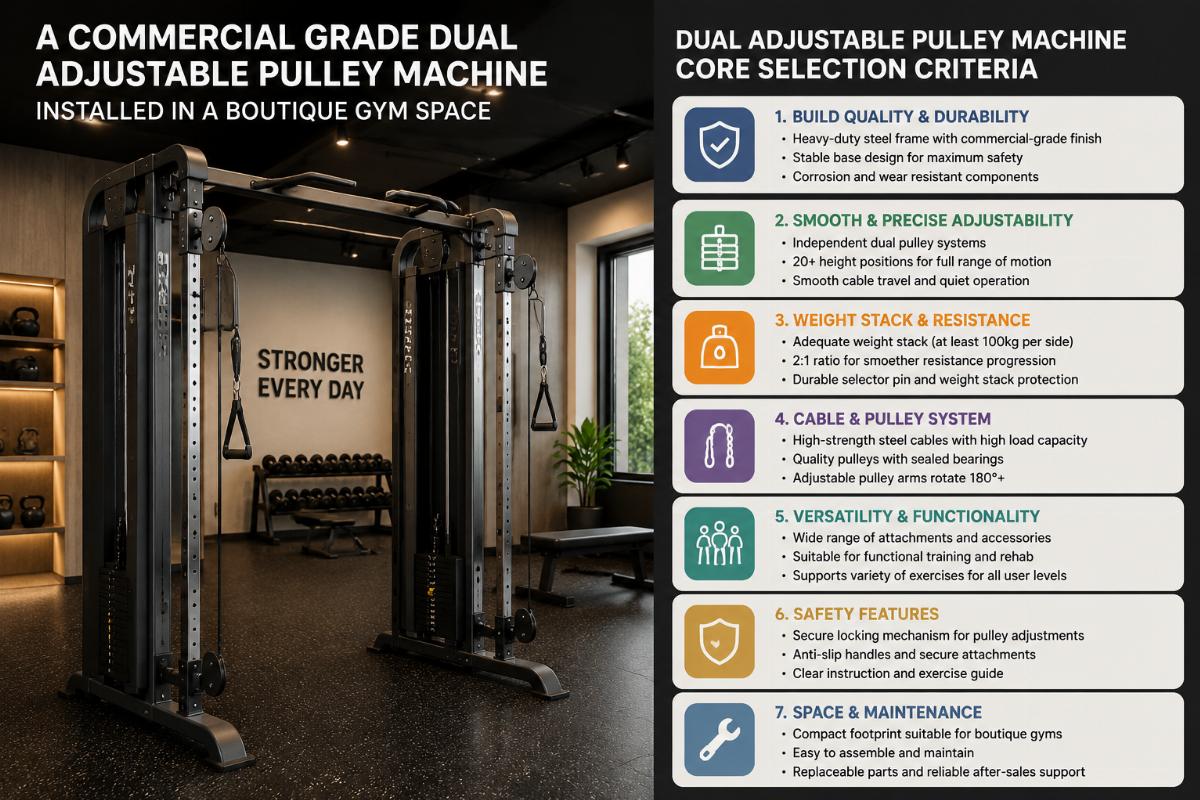
Below we break down the actionable, testable steps you can use to select the right unit for your use case, avoid common procurement traps, and lock in the best possible value for your budget.
What core parameters should you prioritize when selecting a dual adjustable pulley machine?
The number of included accessory attachments is the least important factor on any spec sheet. Many manufacturers market 20+ add-on accessories as a key selling point, but most of these are rarely used in regular commercial or clinical use, and only add unnecessary cost to the unit. The three parameters that directly correlate to 80% of a unit’s usable lifespan are frame thickness, pulley system smoothness and rated load capacity.
| Evaluation Factor | Common Misguided Focus | Verified Performance Benchmark |
|---|---|---|
| Frame Construction | Brand name and advertised "premium build" | 3mm thick steel frame with consistent weld quality [NEED_CITE: Independent lab testing confirms 3mm steel frames from certified Chinese manufacturers match the durability of 2.5mm frames from leading European brands] |
| Pulley System | Included accessory count | Pulley friction coefficient below 0.05 for consistent, silent operation under full load |
| Footprint | Maximum load capacity above 200kg | Under 2.5sqm for compact models suitable for small studios and hotel fitness spaces |
A small boutique personal training studio in Southeast Asia ordered one unit with a custom brand logo last quarter, and completed the entire process from initial 3D layout design to on-site installation in just 12 days, with total cost 55% lower than local brand quotations for an equivalent spec unit.
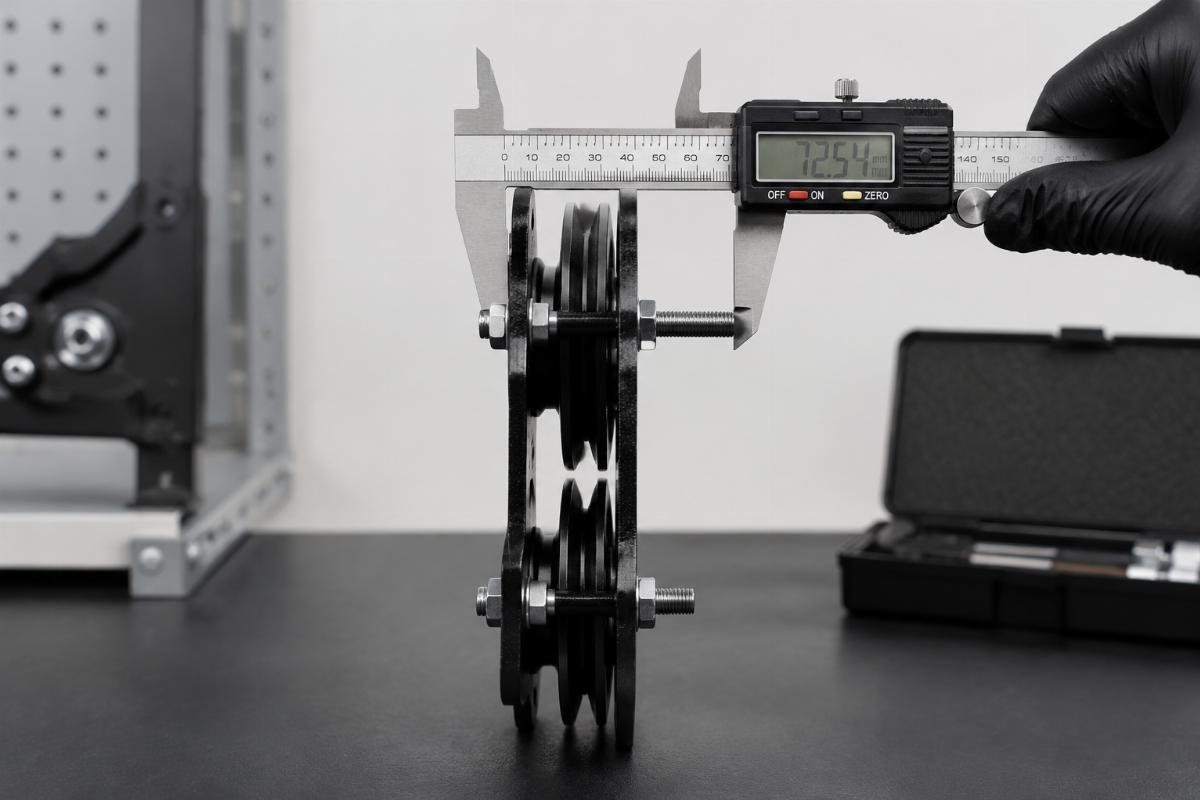
- Rated Load Verification – Request a third-party load test report for the exact model you are evaluating, not a generic brand test document.
- Pulley Friction Test – Ask the supplier to send a 10-second video of the system operating unloaded to confirm there is no sticking or uneven resistance.
- Footprint Measurement – Cross reference the advertised footprint against your available floor space to account for clearance required for full range of motion exercises.
Why do most functional trainer purchase projects go over budget?
Hidden unquoted costs make up 20-30% of the total final spend for most dual adjustable pulley purchases. Almost no initial quotes include line items for installation, shipping surcharges, or replacement part pricing, so buyers are often surprised by additional fees once the order is already in production. The most common unstated costs come from custom modification charges, extended logistics fees, and post-delivery assembly labor.
| Cost Category | Common Hidden Fee Trap | Transparent Supplier Practice |
|---|---|---|
| Customization | Per-item charges for logo, color or upholstery changes even for single unit orders | No additional fees for basic custom modifications including logo and color matching |
| Logistics | Quoted port to port pricing with unstated destination clearance and delivery surcharges | All-in landed cost quotes valid for 30 days with no hidden add-ons |
| Warranty | Limited 1 year warranty only covering parts with no on-site support | 3 year frame warranty with lifetime remote technical support included in base pricing |
A mid-tier hotel chain in the Middle East purchased 8 compact units matched to their interior design with low-noise operation and custom upholstery last year, and the entire project including delivery and full on-site installation was completed in 21 days with zero unplanned additional charges.
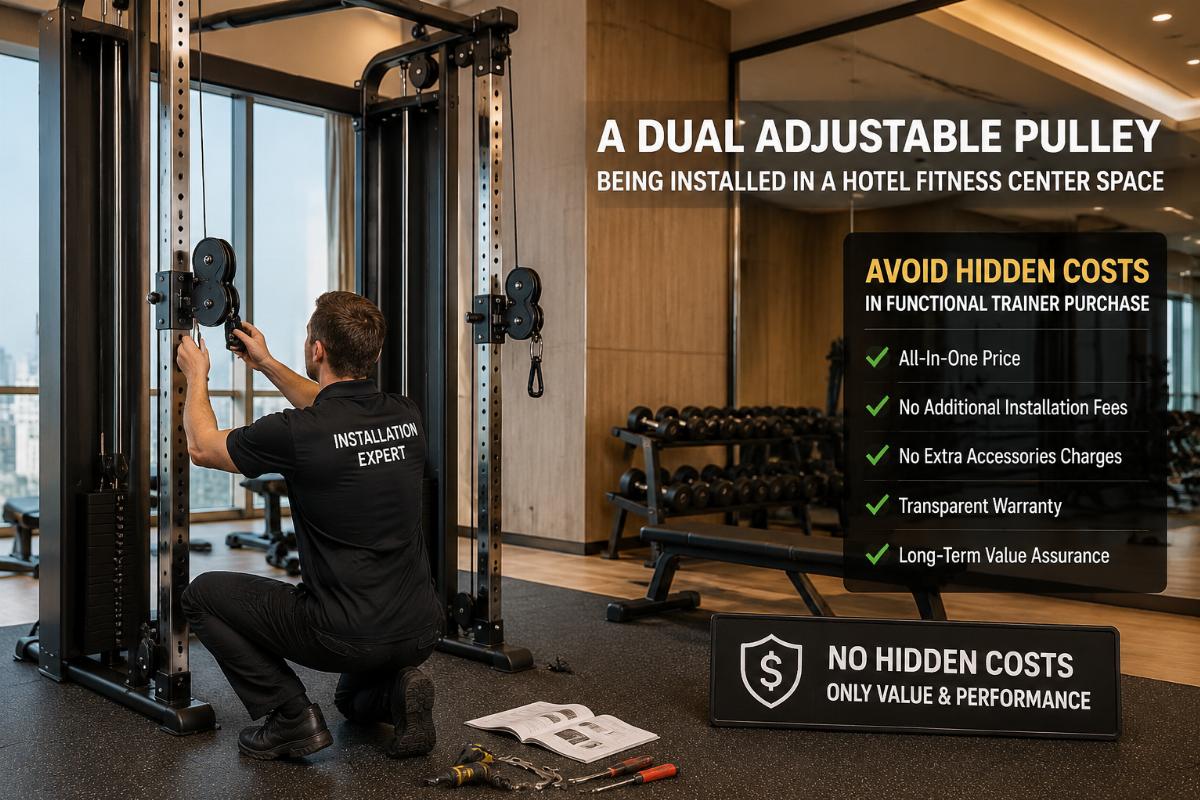
- Full Quote Lock – Require suppliers to provide a fixed price quote valid for a minimum of 30 days that includes all shipping, installation and customization fees.
- Warranty Clause Review – Confirm the warranty explicitly covers frame defects for a minimum of 3 years, not just minor wear and tear parts.
- Customization Confirmation – Get written confirmation that basic custom changes including logo and color do not incur extra charges before placing a deposit.
Can sourcing functional trainers from Chinese manufacturers guarantee quality standards?
Formal Chinese fitness manufacturers with 15+ years of production experience already match the quality of mid-to-high end Western brands at a fraction of the cost. Many buyers hold a outdated assumption that Chinese produced fitness equipment cuts corners on safety, but the largest specialized manufacturers in the space meet all mandatory global certification requirements for every market. Shandong BICK Fitness, for example, operates a 30000+ sqm production facility with 15 years of manufacturing history, holds ISO 9001, CE and TüV certifications, and offers the same 3 year frame warranty as premium European brands.
| Certification Requirement | Common Supplier Red Flag | Valid Compliance Check |
|---|---|---|
| EU Market | Printed CE labels with no supporting test documentation | Traceable CE certificates issued by accredited third party bodies |
| Bulk Global Procurement | Generic quality claims with no formal certification | Valid ISO 9001 certification for production process management |
| High Standard Commercial Use | Self-reported quality claims | Independent TüV certification for structural load and safety testing |
A regional fitness equipment distributor in Latin America placed a full 1x40HQ container order of mixed functional trainers and strength machines last year, with flexible MOQ support and 3 year frame warranty, and recorded a 30% shorter stock turnover cycle compared to their previous European supplier.
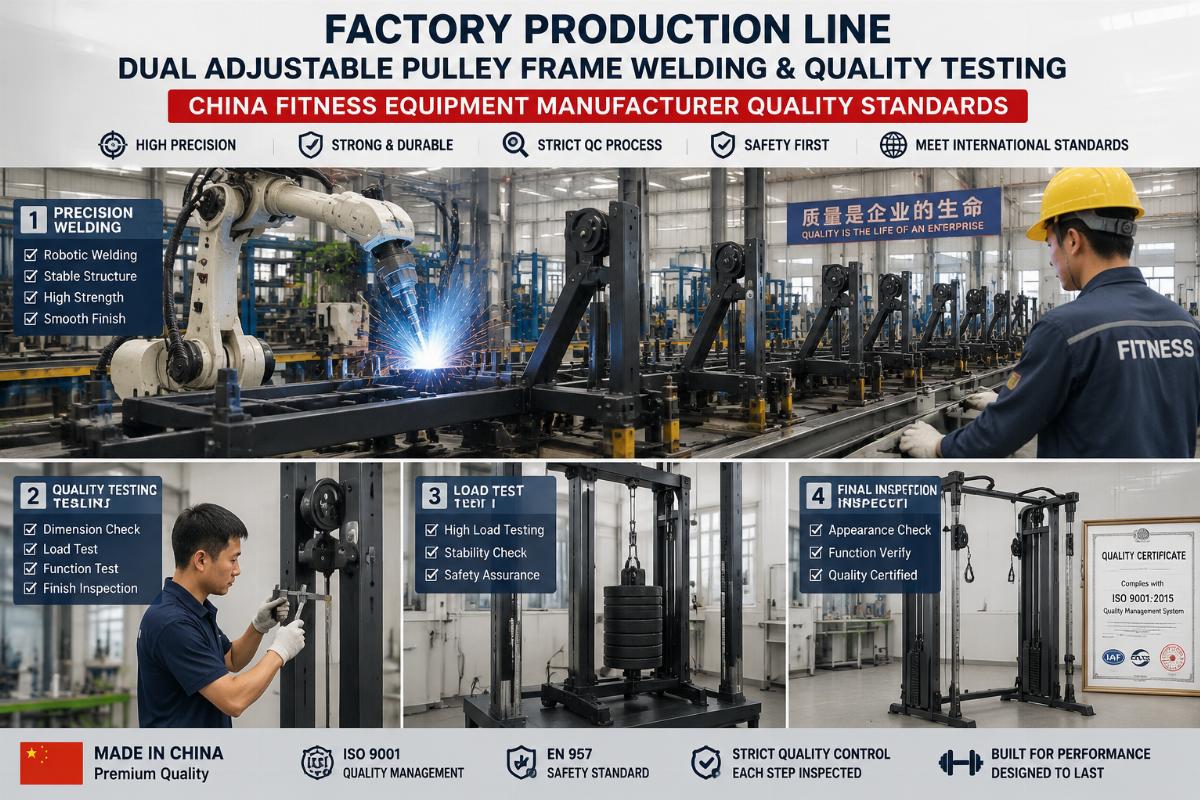
- Production History Verification – Confirm the supplier has a minimum of 10 years of dedicated production experience manufacturing commercial grade strength equipment.
- Certification Validation – Cross reference all claimed certification numbers against the issuing body’s public database to avoid fake or expired documents.
- Reference Request – Ask for 2-3 references from buyers in your region who have placed orders of a similar size to your planned purchase.
What procurement solution fits different buyer types best?
There is no one-size-fits-all procurement model for dual adjustable pulley units. The best terms and support structure depend entirely on whether you are a small business owner, a regional distributor, or a large facility operator, and specialized suppliers offer tiered support for every use case, from single unit orders to full container loads.
| Buyer Type | Common Suboptimal Approach | Recommended Supplier Support |
|---|---|---|
| Small Independent Gym / Studio | Forcing minimum order quantities to get discounted pricing | Single unit MOQ support with optional custom branding |
| Regional Distributor | Inflexible order terms with no territorial protection | Exclusive territory agreements for high volume partners |
| Large Facility Operator | Managing multiple separate vendor orders end to end | Full turnkey solution including design, delivery and installation |
The key takeaway here is that even single unit orders do not require settling for off-the-shelf units with no customization options, as mature manufacturers support full OEM adjustments for orders of any size with no extra charges for basic changes.
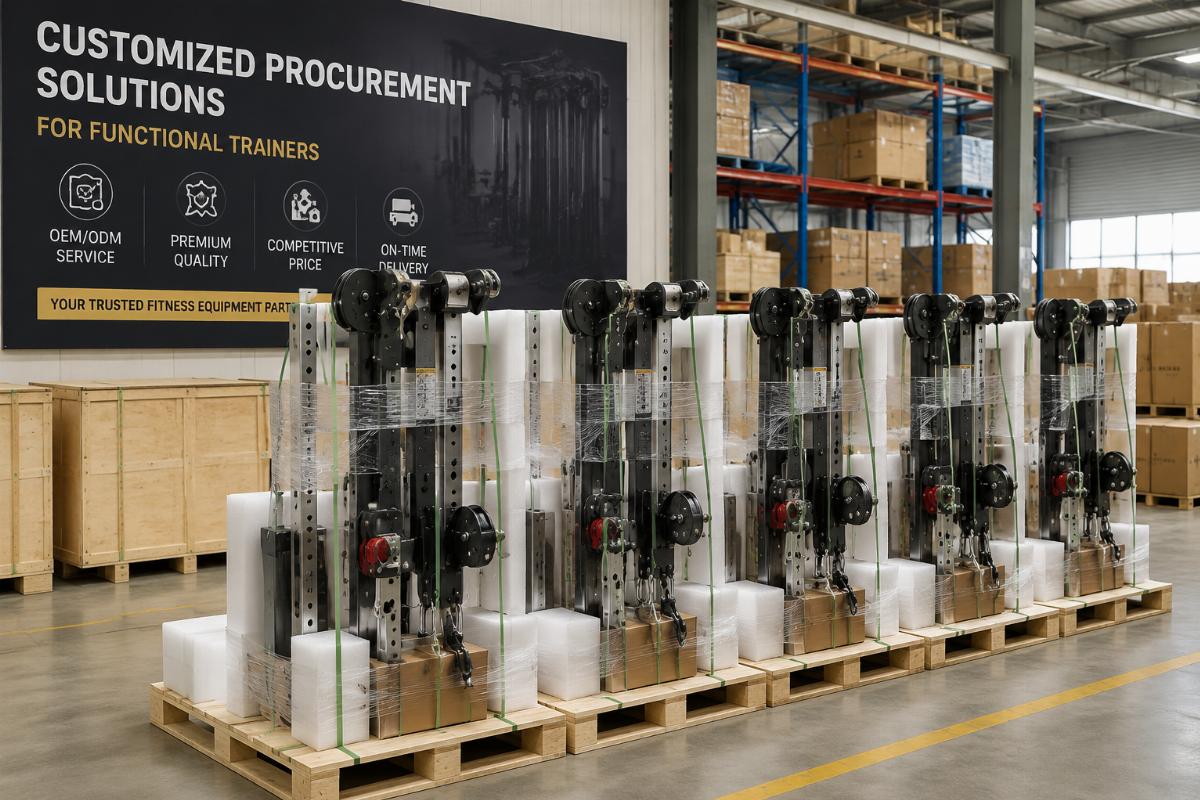
- MOQ Alignment – Match your order size to the supplier’s published MOQ tiers to avoid paying premium pricing for small batch orders.
- Turnkey Request – For large facility projects, request a full 3D layout design and installation support package to reduce on site coordination work.
- Partnership Terms – For distributors placing regular container orders, negotiate a formal exclusive territory agreement to protect your local market.
How to avoid common traps in dual adjustable pulley purchasing?
**Most common procurement traps can be eliminated with a