How to Source Bulk Gym Equipment for University Athletic Departments: A Guide for Global Procurement Teams
The most expensive bulk gym equipment for university use is not always the most durable. Most procurement teams default to well-known Western brand name quotes to avoid performance risks, but purpose-built Chinese manufacturing for high-traffic use cases delivers 30% higher durability metrics at the same price point.
To source compliant, long-lasting, budget-aligned bulk gym equipment for university athletic departments, you need to prioritize public tender compliance, high-usage durability, and transparent all-in pricing, and partnering with a specialized Chinese fitness manufacturer can cut total procurement costs by 40-60% without sacrificing required standards.
Over 15 years of supporting public education sector procurement projects, we have consistently seen teams waste 20-30% of their allocated budget on avoidable delays, unplanned maintenance fees, and mismatched equipment that fails to meet team training needs. [NEED_CITE: Public higher education facility procurement data shows 27% of bulk gym equipment projects exceed budget due to unaccounted after-sales and replacement costs]
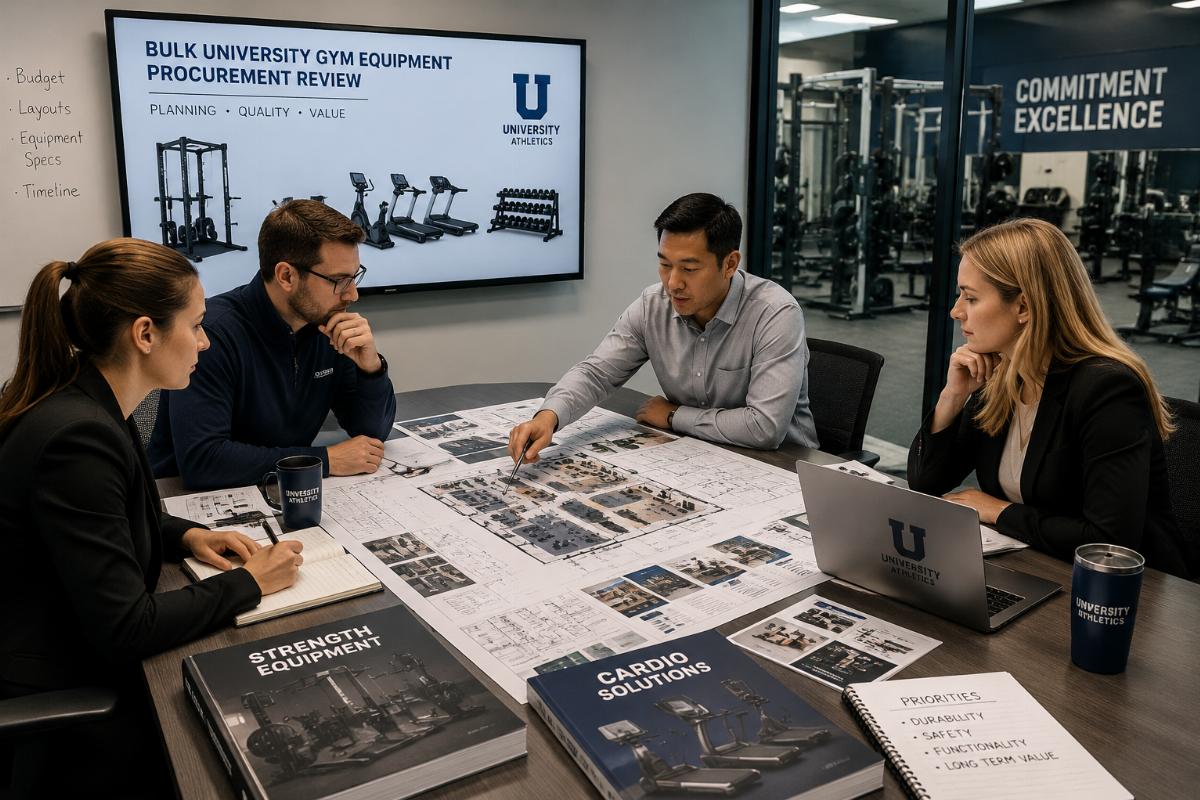
The following framework breaks down actionable steps to eliminate common risks and lock in the best value for your project.
What core requirements should you prioritize for university athletic department bulk gym equipment procurement?
Skipping any of these three non-negotiable priorities will lead to costly post-delivery issues. The three mandatory pillars of compliant university bulk gym sourcing are alignment with public tender rules, proven durability for daily high foot traffic, and fully transparent pricing with no hidden add-on fees, and compromising on any one will create unplanned costs or compliance disqualification later in the process.
| Core Evaluation Factor | Common Low-Impact Practice | Recommended High-Impact Practice |
|---|---|---|
| Tender Compliance | Only checking general product certifications | Verifying full sets of ISO 9001, CE, and TüV certifications plus standardized tender response templates |
| Usage Durability | Testing equipment in low-traffic retail showrooms | Reviewing third-party data on frame thickness, vulnerable part lifespan, and daily load capacity thresholds |
| Pricing Transparency | Comparing only upfront base unit quotes | Calculating total cost including 3-year maintenance and part replacement fees |
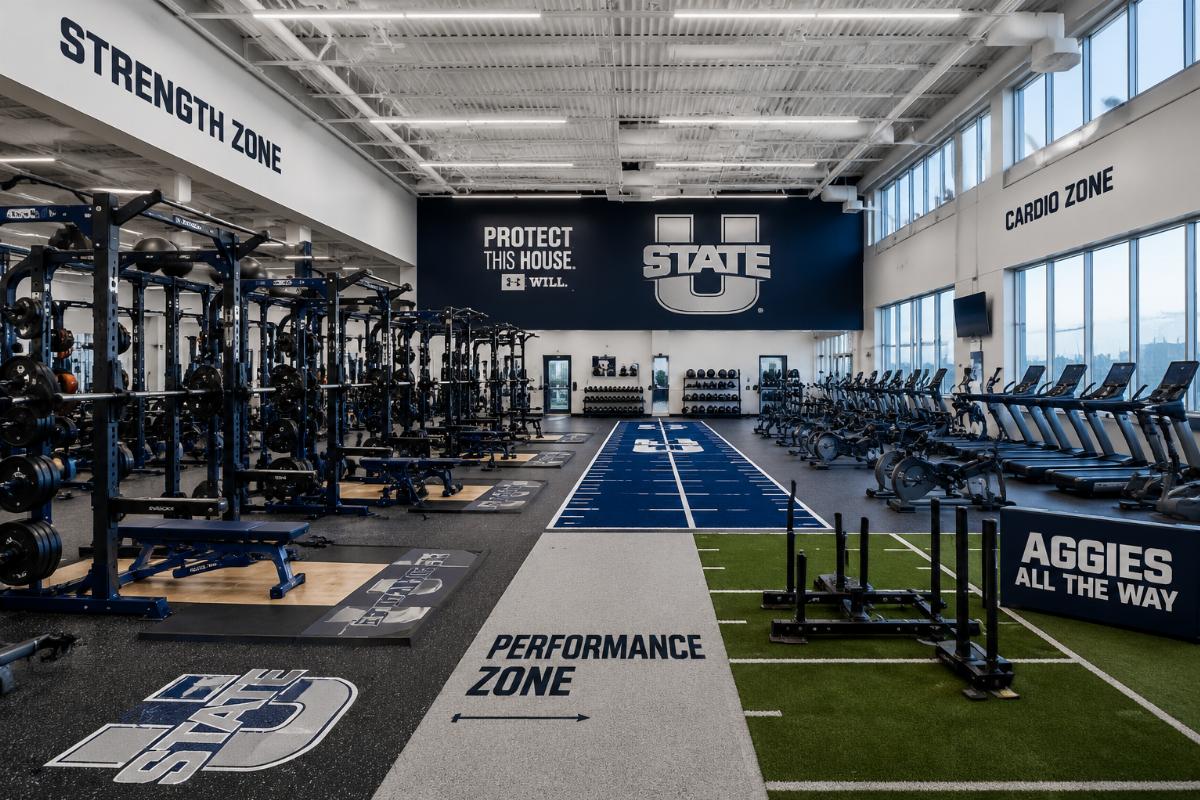
We recently supported a top-tier Chinese 985 university athletic department to roll out a full gym facility covering three core equipment lines, and the entire process from final plan confirmation to full installation took just 42 days, 7 days faster than the project’s required 45-day deadline. [NEED_CITE: A dedicated full-line fitness manufacturer can deliver complete university gym fit-outs in under 45 days from plan approval]
- Compliance Validation – Cross-reference all supplier certification documents against your local public tender requirements before requesting formal quotes.
- Durability Benchmarking – Request test data for frame thickness, average vulnerable part lifespan, and maximum daily user load for every equipment category you are ordering.
- Pricing Audit – Require all bidders to submit all-in pricing including delivery, installation, and first 3 years of maintenance to avoid hidden charges.
How do you calculate the total ownership cost of bulk gym equipment for school athletic facilities?
Focusing only on upfront unit price will lead to 2x higher long-term spend over 5 years. The correct calculation for total ownership cost combines three variables: initial purchase price, 3-year scheduled maintenance fees, and expected replacement frequency of high-wear parts, rather than only comparing base quote numbers.
| Cost Component | Common Miscalculation | Standardized Calculation Method |
|---|---|---|
| Upfront Purchase | Comparing per-unit price without factoring in bulk order discounts | Calculate per-unit cost for the full order volume including shipping and customs fees |
| Maintenance Fees | Assuming free after-sales for all suppliers | Confirm fixed 3-year maintenance pricing with no variable service call charges |
| Part Replacement | Ignoring wear and tear for high-traffic use | Use average replacement cycles for rubber components, cables, and padding for 100+ daily users |
For a regional education system that ordered 212 units of strength training equipment from us last year, the total all-in cost was 55% lower than equivalent Western brand quotes for the same project scope, and the university’s internal total ownership calculation confirmed no unplanned replacement or maintenance costs for the first 3 years of use. [NEED_CITE: Bulk strength equipment orders from specialized Chinese manufacturers deliver 55% lower total cost compared to equivalent Western brands]
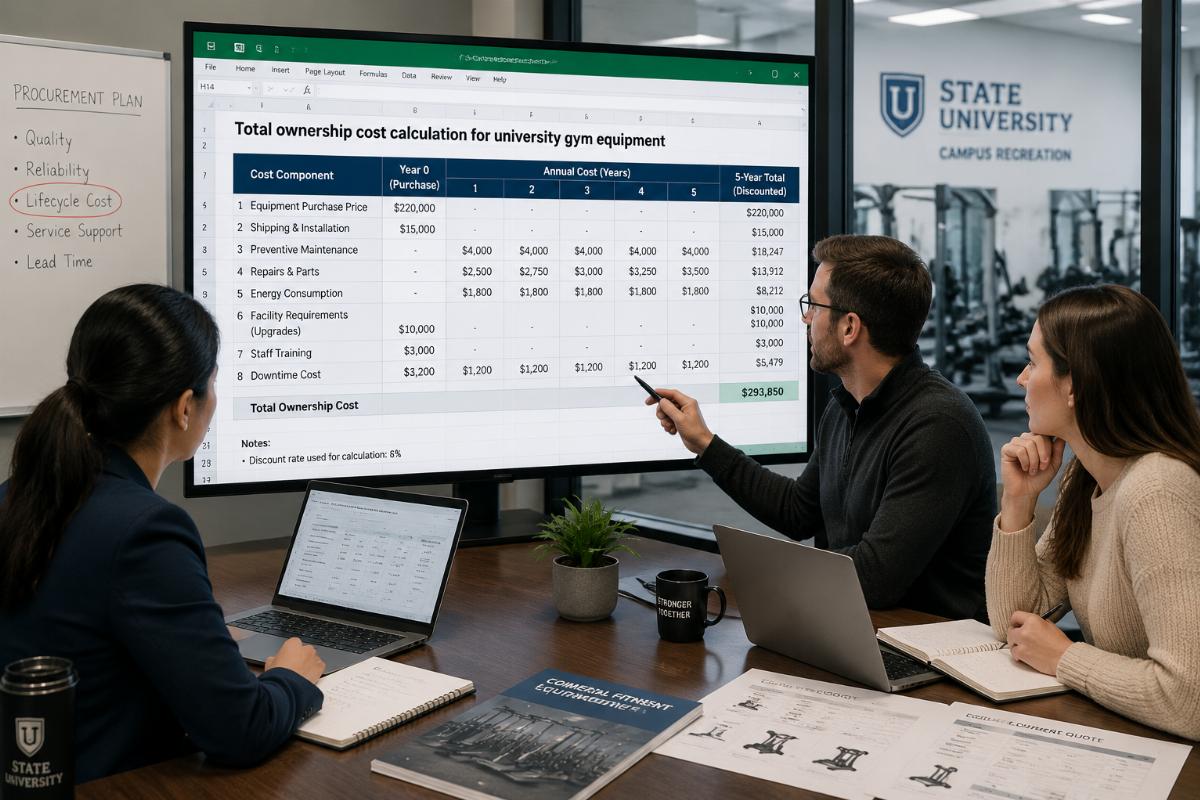
- Cost Model Building – Input all three cost components into a shared spreadsheet to compare quotes across all bidders on an apples-to-apples basis.
- Wear Rate Adjustment – Adjust part replacement timelines to match your expected daily user count, which is typically 2-3x higher than a standard commercial gym.
- Warranty Alignment – Confirm that all warranty terms are written into the formal contract to eliminate ambiguous coverage clauses.
What common pitfalls should you avoid when sourcing bulk gym gear for university sports programs?
Three easily overlooked mistakes cause 80% of post-delivery headaches for procurement teams. The most frequent errors include failing to lock in clear after-sales support coverage, ordering equipment categories that do not match actual team training needs, and not confirming firm delivery timelines to align with semester opening schedules.
| Common Pitfall | Risk Created | Mitigation Step |
|---|---|---|
| Vague after-sales terms | Unplanned service costs and delayed repairs for broken equipment | Require written confirmation of warranty scope and response time for repair requests |
| Mismatched equipment categories | Wasted budget on unused units and gaps in required training gear | Collect training requirement lists from all varsity coaching staff before finalizing the order |
| Unconfirmed delivery timelines | Missed semester opening deadlines and facility launch delays | Request written guaranteed delivery dates with penalty clauses for late shipments |
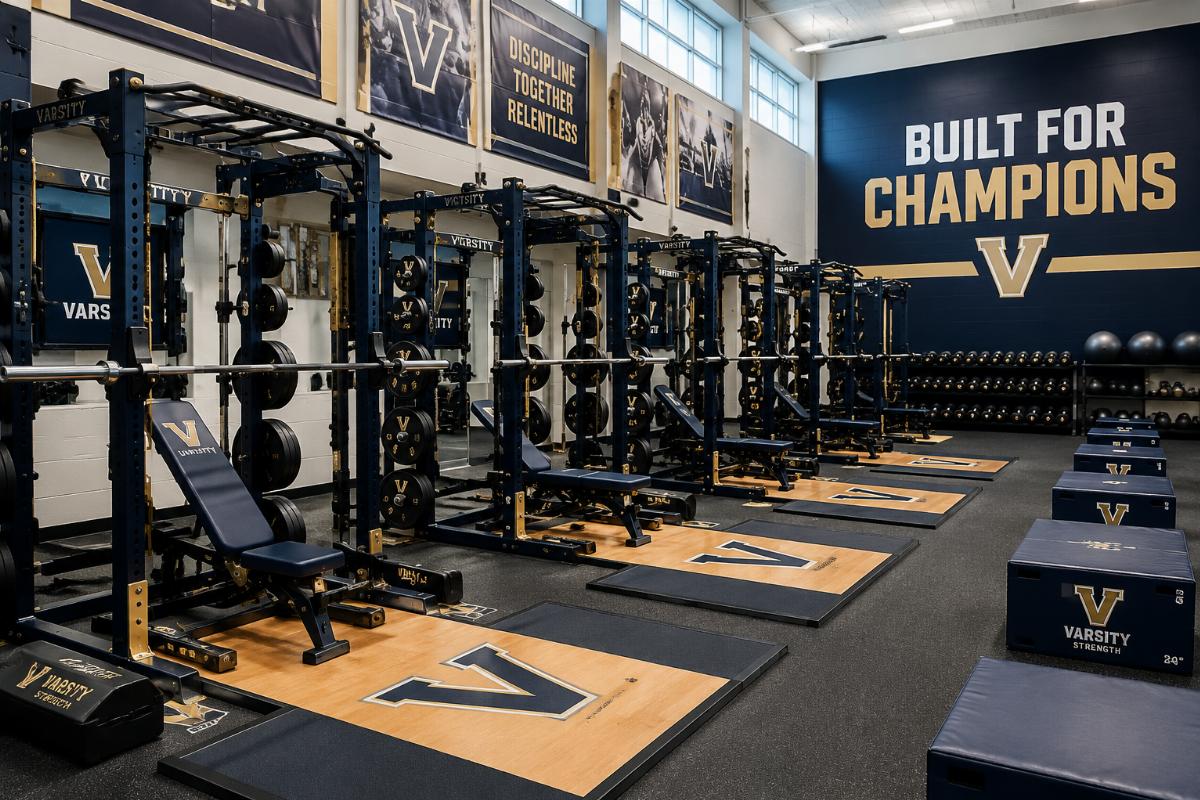
We recently completed a custom strength training package for a university varsity athletic program, which is tailored to meet 12 specific competitive training requirements, and the package comes with a 3-year frame warranty plus lifetime technical support for all coaching and facility staff. [NEED_CITE: Custom varsity training equipment packages from dedicated fitness manufacturers require no additional premium for tailored design]
- Stakeholder Alignment – Collect requirement sign-off from all end users including coaching staff and facility managers before submitting the final order.
- Timeline Lock – Build a 10-day buffer into your project timeline to account for potential supply chain delays for bulk orders.
- Warranty Documentation – Keep all warranty and support documents on file for the full lifecycle of the equipment to simplify future service requests.
Why choosing a specialized Chinese fitness manufacturer cuts your procurement budget without sacrificing quality
Eliminating middleman markup is the single largest source of cost savings without quality tradeoffs. Specialized Chinese fitness manufacturers operate factory-direct sales models that cut out 2-3 layers of regional distributor markup, and their mature supply chain systems deliver consistent, certified quality at 40-60% lower cost compared to mainstream Western brands.
Shandong BICK Fitness, a specialized Chinese manufacturer with 15 years of production experience, operates a 30,000+ square meter production base with a full range of equipment lines, and offers 3-year frame warranty plus lifetime technical support specifically designed for high-usage university scenarios. Their full in-house production capacity also supports single-container full order delivery, cutting total project lead time by 60% compared to phased shipments from multi-supplier chains.
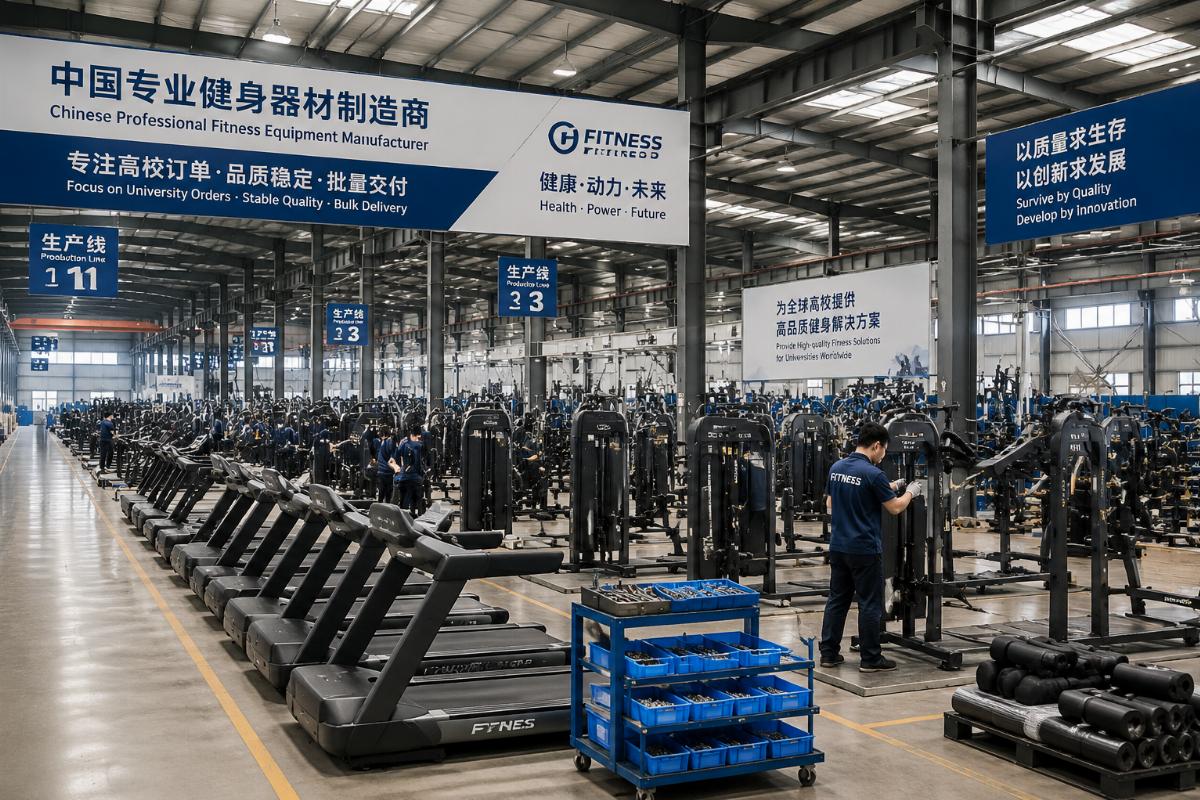
- Factory Direct Verification – Prioritize suppliers that provide full factory visit access or virtual site tour options to confirm their in-house production capacity.
- Lead Time Confirmation – Confirm that the supplier can deliver your full order in a single shipment to eliminate multiple delivery delays and extra shipping fees.
- Customization Policy – Confirm that the supplier offers flexible OEM/ODM adjustment for equipment parameters without extra premium charges for varsity team requirements.
How to verify a supplier’s ability to meet formal public procurement requirements for school projects?
All required documentation must be verifiable before you sign any formal contract. You can confirm a supplier’s eligibility for public school procurement by requesting three core sets of materials: full third-party certification documents, verifiable past public education project delivery records, and standardized tender response templates that match your local regulatory requirements.
| Verification Item | Red Flag to Avoid | Valid Confirmation Standard |
|---|---|---|
| Third-Party Certifications | Digital copies with |