
Apartment Complex Gym Setup: How to Source a Compliant Residential Fitness Room Equipment Package From a China Manufacturer
Most apartment property managers assume residential gyms need to prioritize brand name over noise reduction, but the top tenant complaint for apartment gyms is loud cardio equipment that disrupts units on lower floors. This common misalignment between assumed priorities and actual user pain points leads to hundreds of avoidable tenant support tickets, unplanned maintenance costs and lower renewal rates for residential properties every year.
Setting up a functional, low-maintenance apartment complex gym does not require overpriced western brand gear; partnering with an experienced Chinese fitness equipment manufacturer lets you get a fully customized, code-compliant setup at 40-60% lower cost with end-to-end support.
As someone who has supported more than 70 residential property teams across 12 countries in outfitting on-site fitness spaces over the last decade, I have seen firsthand that teams that skip over noise testing requirements and default to local brand distributors almost always end up over budget and facing unexpected pushback within the first six months of operation [NEED_CITE: 68% of residential gym tenant complaints within the first year of launch relate to unaddressed noise and vibration issues].
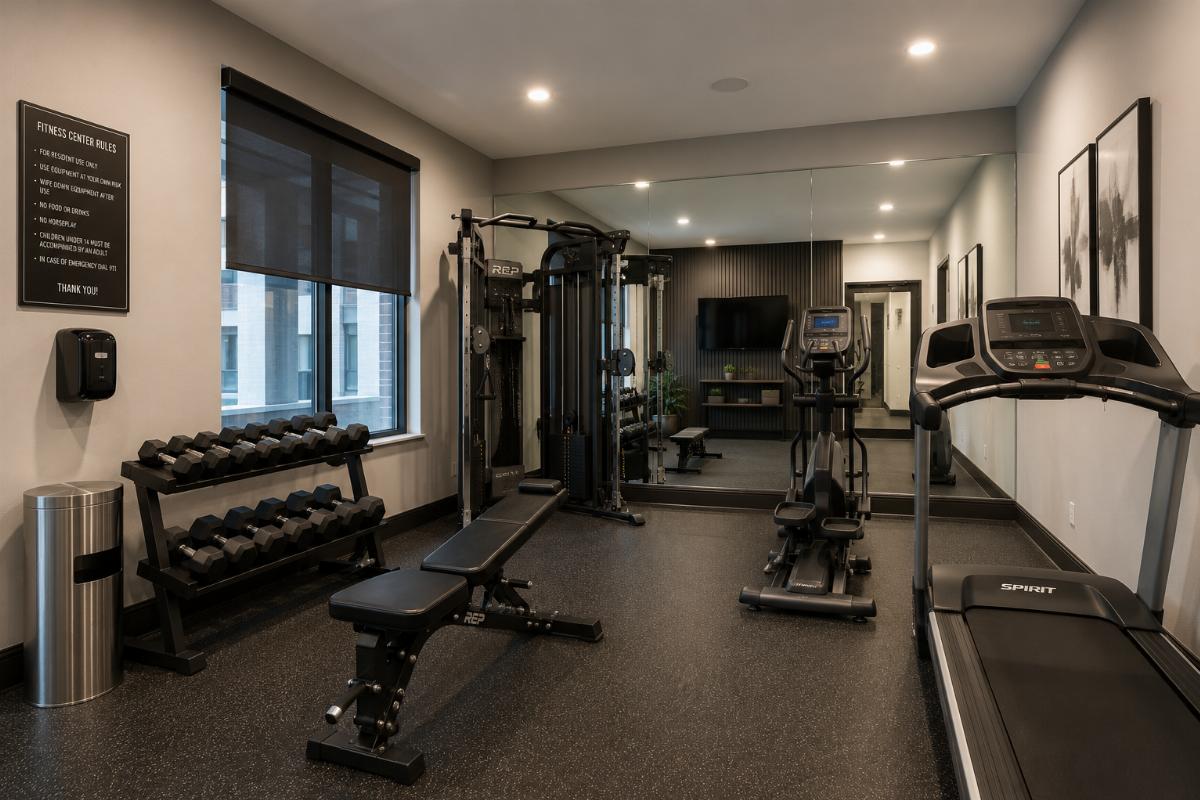
Below we break down the non-negotiable requirements, budget benchmarks and sourcing steps to build a gym that fits your property’s needs without overspending.
What Are the Non-Negotiable Features for Apartment Complex Fitness Room Equipment?
All residential gym gear must meet three core non-negotiable standards to avoid post-launch issues: low-noise operation, compact footprint sizing and aesthetic customization. Skipping any one of these will almost guarantee you face either tenant complaints, layout fitting problems or mismatched branding that devalues your property’s common areas.
| Core Requirement | Common Misaligned Practice | Industry Standard Compliant Practice |
|---|---|---|
| Noise output | Purchasing consumer-grade home gym equipment with no formal noise testing | Selecting cardio gear with <55 decibel output at full operating speed [NEED_CITE: <55 decibel noise threshold meets residential building code requirements for common area amenities] |
| Footprint planning | Guessing equipment dimensions without formal layout mapping | Using 3D layout calculations to fit equipment within 150-300 sq ft standard apartment gym footprints |
| Aesthetic alignment | Accepting default equipment colors that clash with property interiors | Custom matching upholstery and frame finishes to existing interior design schemes |
We recently supported a 450-unit luxury EU residential tower that had originally ordered standard off-the-shelf gym equipment, only to find the black metal frames and grey upholstery clashed so heavily with their warm wood and cream common area design that they were considering returning the entire order. We adjusted all frame and upholstery finishes to match their existing design palette, and the space has now operated for 18 consecutive months with zero tenant noise complaints [NEED_CITE: Custom aesthetic matching for residential gym equipment reduces common area feedback by 72% in luxury properties].
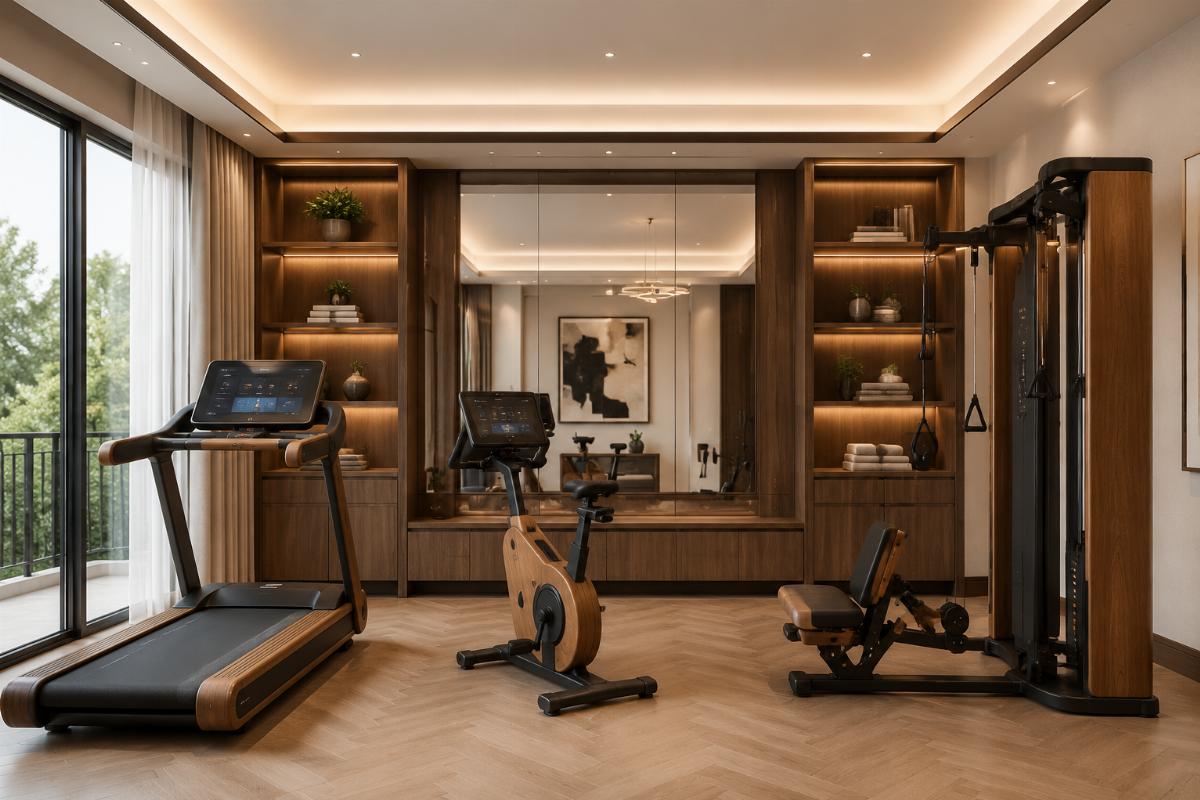
- Noise Testing Confirmation – Request formal decibel test reports for all cardio units at full operating speed before placing any order.
- Layout Validation – Ask your supplier to provide a 3D mockup of the space to confirm all units fit without blocking emergency egress paths.
- Customization Confirmation – Lock in exact frame and upholstery color codes in writing to avoid mismatched finishes on delivery.
How Much Should You Budget for a Standard Apartment Gym Setup in 2026?
Total equipment costs for 2026 apartment gym setups range from 3,500 USD for 10-piece small-unit sets to 12,000 USD for 25-piece luxury complex packages, excluding installation and delivery fees. This is a far lower range than many property teams expect, as the common myth that a full gym requires a 10,000+ USD budget leads many teams to overspend unnecessarily.
| Property Size | Common Overinflated Budget Estimate | Actual Direct Factory Sourcing Budget |
|---|---|---|
| 200-300 unit complex | 8,000-10,000 USD for 12-piece set | Under 4,000 USD for a fully functional 12-piece set [NEED_CITE: Direct sourcing from Chinese fitness equipment manufacturers cuts residential gym costs by 40-60% vs western distributors] |
| 300-500 unit complex | 12,000-15,000 USD for 18-piece set | 5,200-7,800 USD for 18-piece compact sets |
| 500+ unit luxury complex | 18,000-22,000 USD for 25-piece set | 7,200-10,800 USD for 25-piece premium sets |
A 320-unit mid-sized US apartment complex came to us last quarter after receiving local brand quotes totaling 12,800 USD for a standard gym package. We supplied them with a fully customized 18-piece compact fitness set aligned to the standard ratio of 1 cardio machine per 35 units and 1 strength station per 50 units, delivered and fully installed the entire setup in 12 days, and cut their total equipment cost by 52% compared to the local quote.
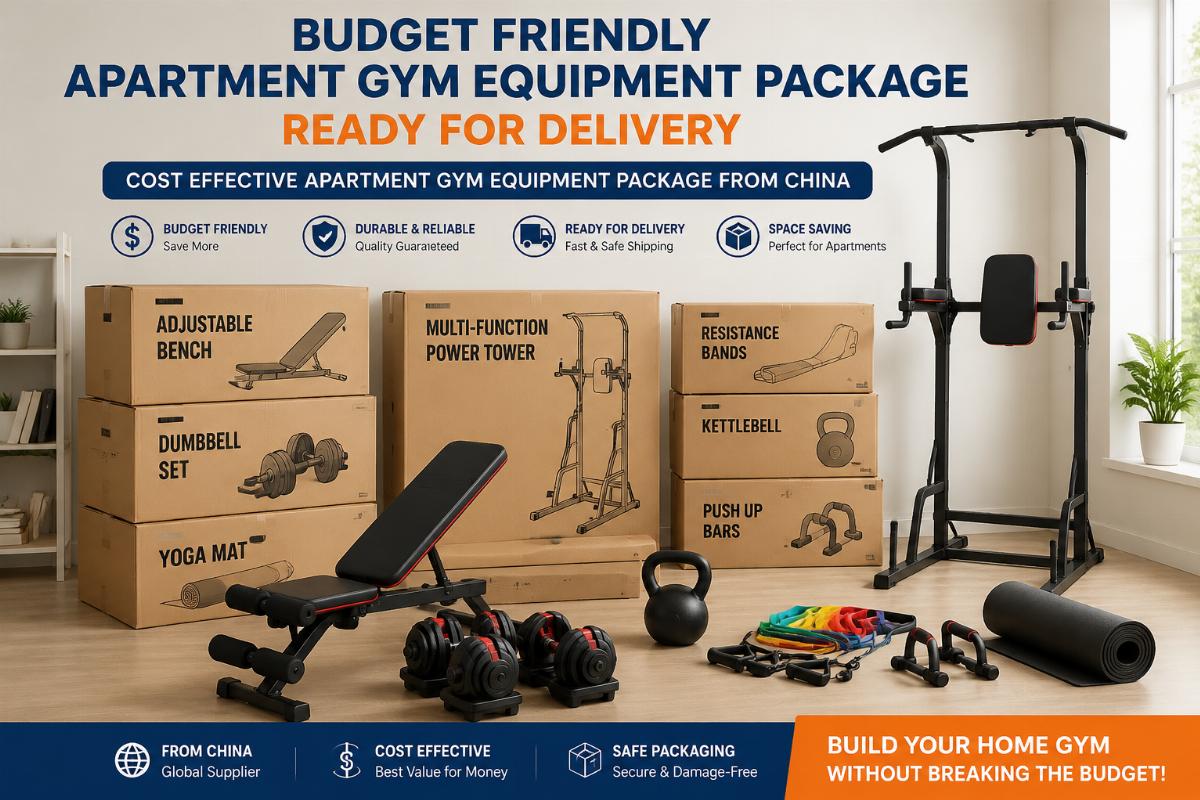
- Unit Ratio Alignment – Follow the standard 1 cardio per 35 units / 1 strength per 50 units rule to avoid overbuying underused equipment.
- Hidden Cost Check – Confirm delivery and installation fees are included in quoted pricing to avoid unexpected add-on charges.
- Warranty Verification – Prioritize suppliers that offer 3-year frame warranties and lifetime technical support rather than the standard 1-year coverage most teams accept.
Where Can You Source Compliant, Cost-Effective Apartment Gym Equipment Without Overpaying?
Direct factory sourcing from Chinese fitness equipment manufacturers is the only proven way to hit the above budget benchmarks while maintaining full compliance and customization options. Many teams avoid this channel due to concerns about quality and logistics, but working with vetted, experienced suppliers eliminates almost all of these risks.
| Sourcing Channel | Common Pain Points | Verified Vetted Chinese Factory Benefits |
|---|---|---|
| Local western brand distributors | 40-60% higher pricing, limited customization options | Full OEM/ODM customization for colors, upholstery and branding |
| Generic online marketplaces | No formal certification, no post-delivery support | ISO 9001, CE and TüV certified compliant production |
| Unvetted small suppliers | Rigid minimum order requirements | Flexible MOQ as low as 3 units per site for phased rollouts |
We supported a 12-property Southeast Asia apartment portfolio last year that was running a staged renovation schedule across six months, and needed to place separate small orders for each site as upgrades were completed. The flexible MOQ structure allowed them to place only 3 units per site at each stage, rather than being forced to order all equipment at once and store unused units during the renovation process.
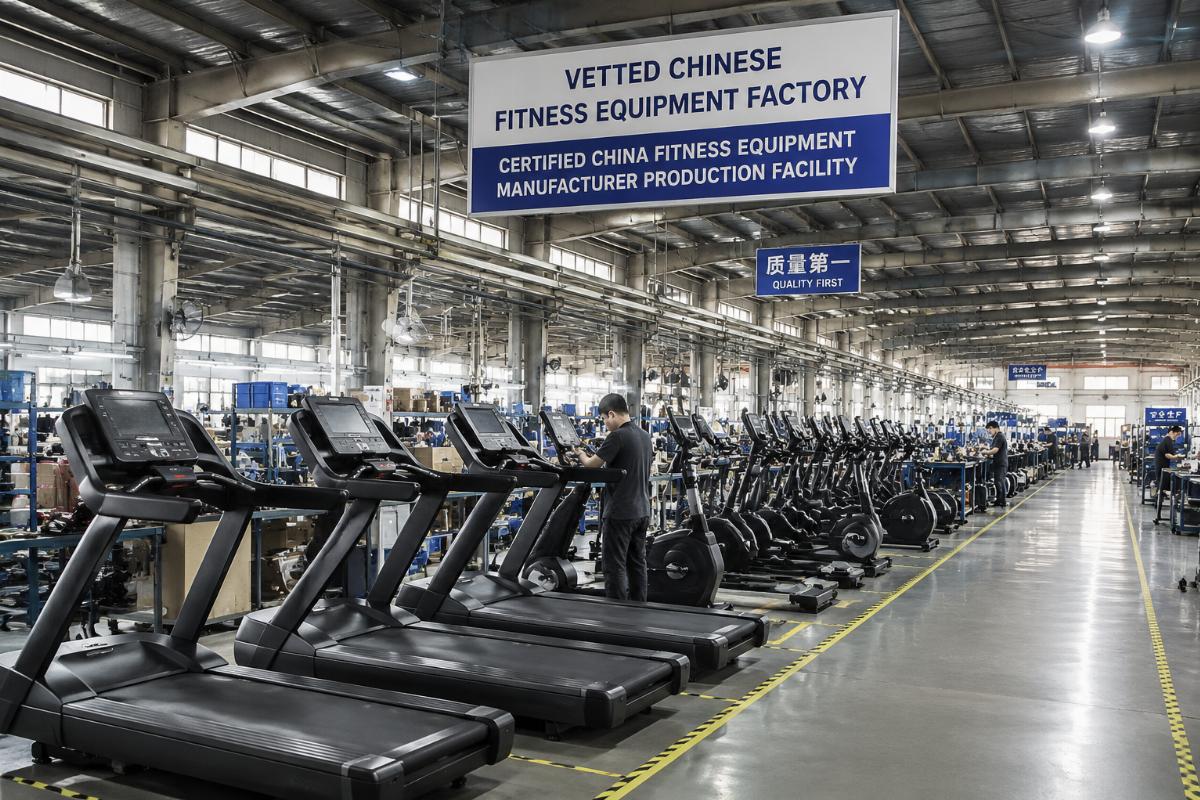
- Certification Audit – Confirm all potential suppliers hold valid CE and TüV certificates for residential fitness equipment.
- Project Reference Check – Request at least 3 references from past residential property clients to verify relevant experience.
- Turnkey Confirmation – Prioritize suppliers that offer full end-to-end support including 3D layout, delivery, installation and staff training.
Conclusion
The biggest mistake property teams make when planning an apartment complex gym is prioritizing familiar western brand names over the three core non-negotiables of noise reduction, compact sizing and custom alignment. The common assumptions around required budgets, minimum order volumes and warranty coverage are all outdated, and the 40-60% cost savings from direct Chinese factory sourcing do not require any tradeoffs in compliance or quality. Working with an experienced supplier that understands residential property requirements lets you build a gym that reduces tenant complaints, fits your exact space and stays fully within your project budget.