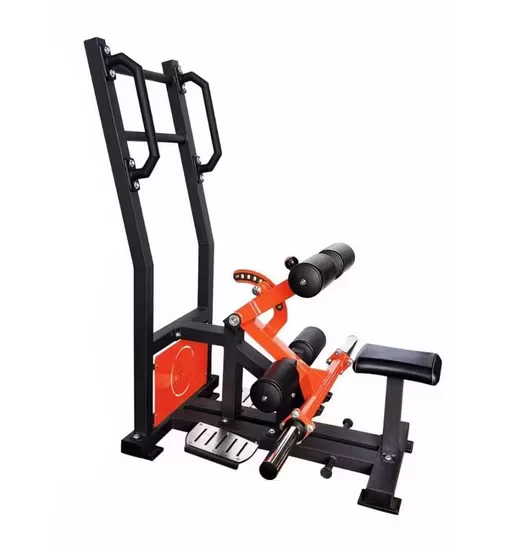
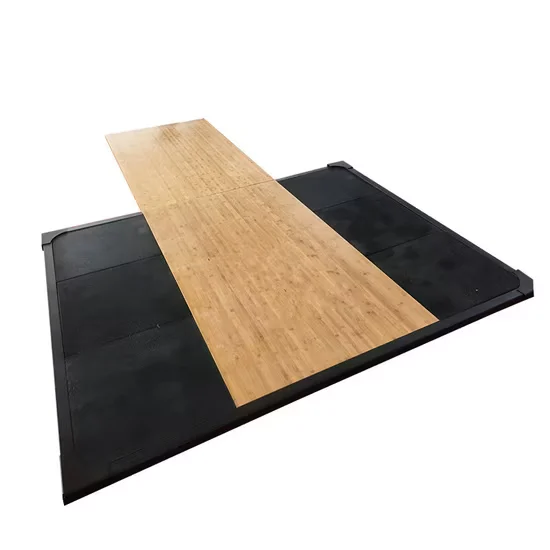
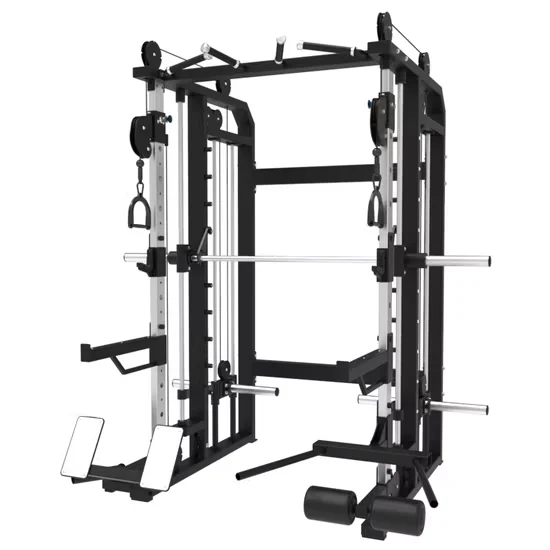
01 / Scenario
STUDIO
P
High-End Pilates Studios
Premium aesthetics meet quiet operation for boutique studio environments.

ISO
9001
CE
Certified
OEM
Available
10YR
Warranty
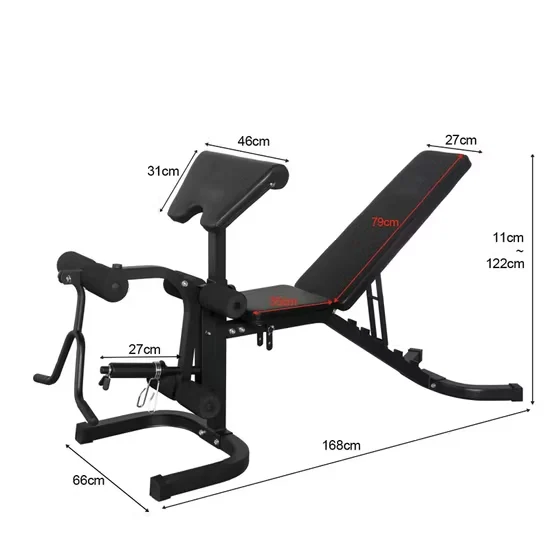
Commercial Adjustable Incline Decline Bench, 50×100×3mm Frame Tube, Multi-Position Backrest — engineered with 3mm wall thickness for high rigidity under heavy loads, featuring reinforced pin-lock adjustment mechanism to eliminate play during intense training sessions. Industrial sandblast pretreatment and 200μm powder coating ensure long-term chip resistance at contact points. Every unit undergoes load testing before shipment as part of our three-stage QC protocol.
// Spec Highlights
• Direct from Manufacturer · No Middlemen · Worldwide Shipping
01
// Material
Imported Solid Wood
Premium hardwood frames sourced for density and visual warmth.
02
// Hardware
Medical-Grade Silent
Whisper-quiet pulleys and springs for clinical environments.
03
// Customization
Appearance OEM
Color, upholstery, and branding tailored to your studio.
04
// Service
Layout Design
Free venue planning for studios and rehab institutions.
Every component is selected for longevity, performance, and aesthetic harmony - from imported hardwood frames to silent medical-grade accessories.
// Features
50×100×3mm Frame Tube Delivers Measurable Rigidity — The rectangular steel tube cross-section and 3mm wall thickness resist bending deflection under repeated heavy pressing loads, maintaining structural alignment across thousands of adjustment cycles.
| Parameter | Value |
|---|---|
| Product Type | Adjustable Bench |
| Frame Tube Size | 50×100×3mm |
| Material | Iron |
| Product Dimensions | 1350×640×500mm |
| Net Weight | 40kgs |
| Adjustment Positions | Multi-position (Flat / Incline / Decline) |
| Folded | Unfolded |
| Power Source | Manual |
| Color Options | Customized |
| Certification | RoHS, ISO9001, CE |
| Production Capacity | 500 Pieces/Month |
| Facility Type | Typical Use |
|---|---|
| Commercial Gym Strength Floor | Primary adjustable bench for dumbbell pressing and seated movements in free weight zones |
| Hotel Fitness Center | Compact multi-position bench supporting diverse guest workout needs in limited space |
| Community Fitness Center | Shared-use bench accommodating varied user body sizes and training intensities |
| University Strength & Conditioning Room | Auxiliary training station for athletic development programs |
A 50×100×3mm frame tube with verifiable wall thickness is the structural baseline for commercial adjustable benches, not a marketing label.
Many adjustable benches on the market advertise "commercial grade" while omitting frame tube specifications entirely. When the steel gauge is vague or the wall thickness falls below 2.5mm, the frame flexes noticeably under heavy dumbbell presses — and that deflection compounds over months of daily use. The adjustment pin holes elongate, the backrest develops lateral play, and welds near stress concentration points begin to show fatigue cracks. Structural transparency — publishing exact tube dimensions and material grade — is the only honest foundation for commercial durability. [NEED_CITE: structural steel tube specifications for fitness equipment frames]
This commercial adjustable incline decline bench serves as the central pressing station in any free weight area, covering flat, incline, and decline movement planes for chest, shoulder, and accessory work. It pairs directly with dumbbell racks, plate-loaded chest machines, and cable crossover stations to create a complete upper-body training circuit. The 1350×640×500mm footprint fits standard 600mm spacing intervals between strength equipment, and the multi-position backrest accommodates users across a wide range of torso lengths. For high-traffic commercial gym environments, this bench handles continuous turnover between users without requiring structural compromise.
Commercial adjustable benches face three distinct stress categories: static load from heavy pressing, impact load from dumbbell placement, and eccentric load from uneven user positioning. The 50×100×3mm rectangular tube resists torsional twist better than round or thinner-walled alternatives, distributing force across a larger cross-section. The adjustment mechanism — where the backrest pivot pin engages the frame — concentrates cyclic stress at each pin hole; oversized pins and precision-drilled holes minimize play and prevent the elongation that causes rattling over time. Upholstery contact surfaces endure daily exposure to sweat, cleaning chemicals, and abrasive clothing, making foam density and vinyl grade critical factors in split prevention. The powder coating at weld joints and frame contact points must resist chipping from barbell contact and dumbbell strikes. [NEED_CITE: fatigue performance of welded steel structures under cyclic loading]
The 50×100×3mm rectangular tube is not arbitrary — the 100mm dimension aligns with the primary bending axis during pressing movements, maximizing the section modulus where deflection risk is highest. The 3mm wall thickness provides sufficient material to resist local buckling at weld intersections and pin hole locations, where stress concentration is greatest. Thinner walls — common in cost-reduced benches — may pass visual inspection but deform permanently after months of heavy loading, creating irreversible frame distortion. The rectangular profile also simplifies fixture alignment during robotic MIG welding, ensuring continuous weld penetration along the full joint length rather than intermittent spot welds that create fatigue weak points. The iron material grade, when paired with proper sandblast pre-treatment and 200μm powder coating, provides long-term corrosion resistance in humid gym environments. Multi-position adjustment requires precise hole spacing along the frame — laser-cut apertures at ±0.1mm tolerance ensure the pin engages cleanly at every angle without binding.
Reducing frame tube wall thickness from 3mm to 2mm saves material cost per unit but introduces measurable deflection under loads above 80kg per dumbbell — deflection that becomes permanent over time. Spot welding instead of continuous MIG welding creates localized heat-affected zones that crack under repeated loading, often without visible warning until structural failure occurs. Non-sealed adjustment pivot points accumulate sweat and metal debris, accelerating wear and creating the audible play that gym users associate with cheap equipment. Low-density foam compresses permanently within months of commercial use, leaving users sitting on hardened base material. Thin powder coating chips at contact points, exposing bare steel to rust that spreads beneath the surrounding finish. These failures do not appear in product photos — they emerge six to twelve months into commercial operation, when replacement costs and member complaints far exceed the original savings. [NEED_CITE: powder coating adhesion and chip resistance on structural steel]
The 50×100×3mm frame tube uses mill-certified steel with traceable material origin, ensuring consistent mechanical properties across every production batch. Robotic MIG welding produces continuous weld seams along all structural joints, eliminating the spot-weld weak points that fail under commercial loading. Every unit undergoes individual load testing before shipment — not sample-based inspection — verifying that adjustment mechanisms and frame joints perform under simulated use conditions. The 200μm industrial powder coating, applied after sandblast pre-treatment, resists chipping at high-contact areas and maintains appearance through years of commercial cleaning cycles. The 10-year frame warranty reflects confidence in the structural design, and BICKFIT provides 2D-3D CAD layout support to optimize bench placement within your strength zone, ensuring safe clearance distances between this commercial adjustable incline decline bench and adjacent equipment. OEM customization including frame color and facility branding is available for multi-unit orders.
Provide your strength zone floor area and target equipment list to receive a 2D-3D CAD layout showing optimal placement of this commercial adjustable incline decline bench with proper safety clearances. Specify your estimated daily user volume so we can confirm the structural grade matches your traffic intensity. Indicate your typical user body size range to verify that the multi-position adjustment accommodates your member demographic. Share any customization requirements for frame color or facility branding to receive accurate pricing and lead time.
Q: How do I verify that an adjustable bench frame tube actually meets commercial standards?
A: Request the supplier’s steel mill certificate showing material grade and wall thickness measurement. The 50×100×3mm specification means the rectangular tube has a 100mm face along the primary bending axis and 3mm wall thickness throughout. Ask for third-party test reports confirming actual wall thickness meets the stated dimension, as some manufacturers quote nominal size while delivering thinner material.
Q: What causes adjustment mechanism play and rattling in commercial benches?
A: The pivot pin diameter and hole precision determine long-term stability. Undersized pins or poorly drilled holes develop clearance over repeated adjustment cycles, creating lateral movement and audible knocking during use. High-volume commercial environments accelerate this wear, so precision-machined pins with tight tolerance engagement prevent play from developing within the first year of operation.
Q: How long does commercial bench upholstery last under daily gym use?
A: Upholstery lifespan depends on foam density and vinyl grade. High-density foam resists permanent compression from continuous user weight, while commercial-grade vinyl withstands sweat exposure and cleaning chemicals without cracking. In high-traffic facilities, expect upholstery replacement every two to three years; lower-density foam and thin vinyl may fail within months, requiring premature replacement.
Q: What floor space and clearance does this bench require in a commercial layout?
A: The bench footprint is 1350×640×500mm. Maintain at least 600mm clearance on all sides for safe dumbbell loading, user entry and exit, and emergency access. When positioning multiple benches in a row, allow 900mm between units to prevent interference during simultaneous use. Proper spacing prevents unsafe congestion in the free weight zone.
Q: Can the frame color and facility logo be customized for bulk orders?
A: Yes, frame color is customizable through the powder coating process, and logo application is available for multi-unit purchases. Provide your color specification or Pantone reference along with logo artwork in vector format. Custom orders require confirmation of minimum quantity and production lead time before scheduling.
Premium aesthetics meet quiet operation for boutique studio environments.
Medical-grade silence and precision for sports & postpartum recovery.
Furniture-grade craftsmanship for premium residential installations.
Compact premium setups for one-on-one and small-group training.
Aesthetic Pilates integration for hybrid wellness studio programming.
Multi-unit deployment with instructor-grade reliability for certification programs.
Tell us about your project. Our team will respond within 24 hours with pricing, customization options, and shipping details.
// Sales Director
William
+86 132 2531 1800
// Export Manager
Bella
+86 198 5412 8032
william@bickfit.com