01 / Scenario
STUDIO
P
High-End Pilates Studios
Premium aesthetics meet quiet operation for boutique studio environments.

ISO
9001
CE
Certified
OEM
Available
10YR
Warranty
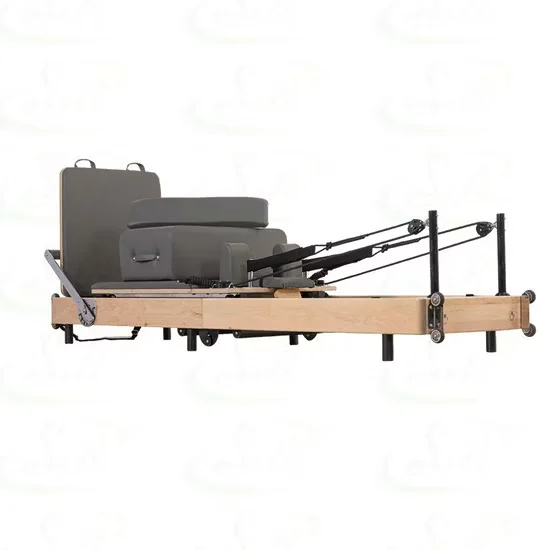
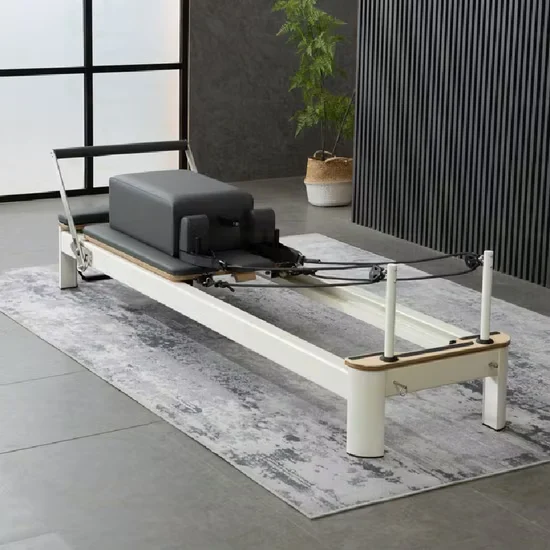
Commercial Pilates Reformer Bed, 2570×730×270mm, 90kg Net Weight — aircraft-grade aluminum frame with precision-machined carriage track for silent glide under daily studio use. Includes long box, jump board, and platform as standard accessories for full-spectrum programming. Custom logo available, 3-year warranty, 32-point inspection with full load testing before shipment.
// Spec Highlights
• Direct from Manufacturer · No Middlemen · Worldwide Shipping
01
// Material
Imported Solid Wood
Premium hardwood frames sourced for density and visual warmth.
02
// Hardware
Medical-Grade Silent
Whisper-quiet pulleys and springs for clinical environments.
03
// Customization
Appearance OEM
Color, upholstery, and branding tailored to your studio.
04
// Service
Layout Design
Free venue planning for studios and rehab institutions.
Every component is selected for longevity, performance, and aesthetic harmony - from imported hardwood frames to silent medical-grade accessories.
// Features
Aircraft-Grade Aluminum Frame — Precision-machined carriage track ensures smooth, silent glide under repeated studio use with verifiable material certification.
| Parameter | Value |
|---|---|
| Product Type | Pilates Reformer |
| Model NO. | SRY-12 |
| Frame Material | Aircraft-grade aluminum |
| Specification | 2570×730×270mm |
| Net Weight | 90kgs |
| Color | White |
| Accessories | Long Box / Jump Board / Platform |
| Warranty | 3 Years |
| Logo | Customized Is Allowed |
| Age | Adult |
| Gender | Unisex |
| Facility Type | Typical Use |
|---|---|
| Boutique Pilates Studio | Group reformer classes with high daily turnover |
| Home Pilates Studio | Dedicated personal practice space |
| Rehabilitation Center | Post-injury recovery and physical therapy sessions |
| Personal Training Studio | One-on-one instruction with varied client demographics |
Sealed carriage bearings separate commercial equipment from disposable units.
Most Pilates reformers on the market advertise "commercial grade" without disclosing carriage bearing type, spring steel grade, or frame alloy specification. Studio owners discover too late that unsealed bushings develop lateral play after several months of daily use, while low-grade springs lose tension consistency across resistance levels. The track surface itself wears unevenly when wheel material lacks proper hardness rating, creating friction points that compromise movement fluidity during exercises requiring precise carriage control [NEED_CITE: bearing load ratings for linear motion systems in fitness equipment].
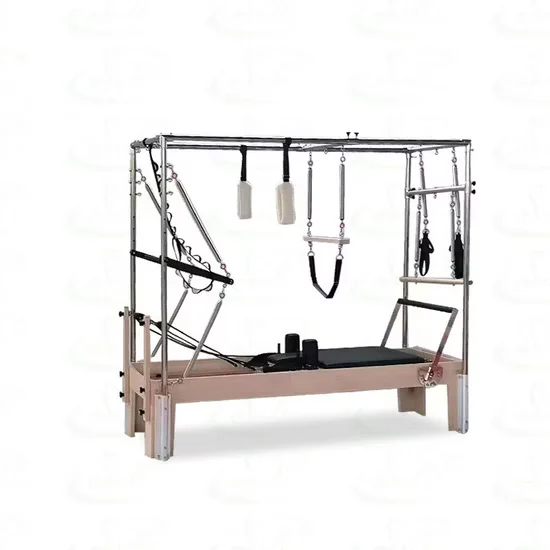
This commercial aluminum pilates reformer bed covers the full spectrum of Pilates programming from foundational supine work through advanced jump board sequences and standing platform exercises. In boutique studio layouts, reformer beds typically anchor the primary training zone with complementary apparatus like cadillacs and chairs positioned to support circuit-style class formats. The long box enables seated and prone variations while the jump board introduces cardiovascular and plyometric elements. The footprint accommodates standard studio spacing requirements, allowing instructors clear sightlines across multiple units during group sessions. Users ranging from petite adults to tall athletes find appropriate carriage travel and spring anchor points.
Dynamic loading patterns on reformer beds combine static holds, rapid directional changes, and eccentric control phases that test frame rigidity at mounting interfaces. Jump board work generates impact forces that propagate through the aluminum frame to the floor mounting points, requiring secure hardware retention [NEED_CITE: dynamic load classification for Pilates apparatus]. Carriage wheels endure continuous rolling contact with aluminum tracks, where dust and chalk residue accelerate wear on unsealed bearing surfaces. The spring attachment points experience thousands of tension-release cycles monthly in high-traffic studios, demanding attachment hardware that maintains clamp force without deformation. Upholstery contact surfaces face compression fatigue and surface abrasion from repeated body positioning adjustments.
Aircraft-grade aluminum provides corrosion resistance and weight reduction while maintaining sufficient rigidity for loaded carriage movement without frame flex. The precision-machined track surface requires wheel bearings that maintain tight tolerances under side-loading during exercises like footwork variations and single-leg work. Sealed bearing assemblies prevent chalk dust and moisture ingress that would otherwise degrade glide quality over time. Spring configuration affects resistance progression—different gauge springs create distinct feel characteristics across the tension range, allowing instructors to match client strength levels appropriately. The 2570mm length provides adequate carriage travel for full extension work while the 730mm width accommodates various body sizes during side-lying and kneeling positions. Platform and jump board mounting points integrate into the frame structure rather than clamping externally, maintaining stability during dynamic movements.
Thin-wall aluminum extrusions flex under loaded carriage movement, creating uneven track wear and carriage wobble during precision exercises. Unsealed wheel bearings require frequent replacement as chalk and dust contaminate lubrication, generating service calls that interrupt class schedules. Low-quality springs develop inconsistent resistance curves within months, forcing studios to replace entire spring sets rather than individual units. Non-standard mounting hardware for accessories like jump boards and platforms strips under repeated installation cycles, leaving studios unable to offer exercise variations when hardware fails. Thin vinyl upholstery tears at stress points and lacks replacement availability, converting repairable equipment into write-offs.
The aluminum frame material carries mill certification traceable to the original alloy batch, providing verifiable specification rather than generic "commercial grade" claims. Each carriage system undergoes load testing before shipment to confirm smooth travel under rated capacity. The 3-year warranty reflects confidence in structural durability under daily studio use. Powder coating on contact surfaces resists chipping and wear from repeated body contact and cleaning protocols. Floor planning support addresses reformer spacing requirements, ensuring safe passage between units and instructor access during classes. Logo customization options support studio branding without compromising structural specifications [NEED_CITE: material traceability standards for fitness equipment manufacturing].
Provide your studio floor dimensions and target class capacity to receive 2D-3D layout planning that optimizes reformer spacing and instructor sightlines. Specify anticipated daily usage volume to confirm the structural specification matches your facility’s throughput requirements. Indicate your client demographic range to verify the carriage travel and spring configuration accommodate your typical user profiles. Communicate any customization requirements including frame color, logo placement, or upholstery material preferences to align equipment with your studio aesthetic and operational needs.
Q: How do commercial Pilates reformers differ from home-use models in structural design?
A: Commercial reformers use aircraft-grade aluminum with thicker wall sections, sealed carriage bearings rated for thousands of daily cycles, and spring steel certified for fatigue resistance. Home models often substitute thin-wall extrusions, unsealed bushings, and generic springs that degrade under frequent use. The difference becomes apparent within months in studio environments where equipment runs multiple classes daily.
Q: What maintenance does the aluminum track and carriage system require?
A: Sealed bearings require minimal maintenance beyond periodic inspection for smooth rotation. Aluminum tracks need regular cleaning with non-abrasive solutions to remove chalk residue and body oils. Carriage wheel condition should be checked monthly for wear patterns indicating alignment issues. Spring tension consistency should be verified quarterly to ensure resistance progression remains uniform across the range.
Q: How does spring quality affect exercise feel over time?
A: Quality springs maintain consistent resistance curves throughout their service life, providing predictable tension at each attachment point. Lower-grade springs develop dead spots and inconsistent pull characteristics as the steel fatigues from repeated cycling. Instructors rely on consistent spring feel to cue appropriate resistance levels for different exercises and client strength levels.
Q: Are replacement parts available for accessories and wear components?
A: Long boxes, jump boards, platforms, springs, carriage wheels, and upholstery components remain available as replacement parts throughout the product lifecycle. Hardware specifications are documented to ensure compatibility when ordering replacements. This parts availability prevents entire units from becoming unusable when individual components wear from normal use.
Premium aesthetics meet quiet operation for boutique studio environments.
Medical-grade silence and precision for sports & postpartum recovery.
Furniture-grade craftsmanship for premium residential installations.
Compact premium setups for one-on-one and small-group training.
Aesthetic Pilates integration for hybrid wellness studio programming.
Multi-unit deployment with instructor-grade reliability for certification programs.
Tell us about your project. Our team will respond within 24 hours with pricing, customization options, and shipping details.
// Sales Director
William
+86 132 2531 1800
// Export Manager
Bella
+86 198 5412 8032
william@bickfit.com