01 / Scenario
STUDIO
P
High-End Pilates Studios
Premium aesthetics meet quiet operation for boutique studio environments.

ISO
9001
CE
Certified
OEM
Available
10YR
Warranty
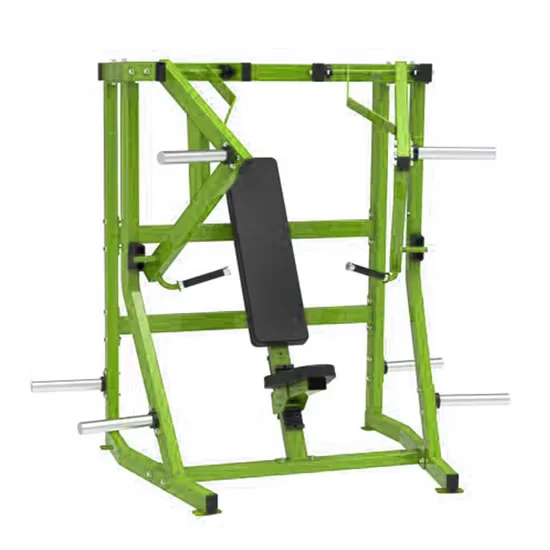
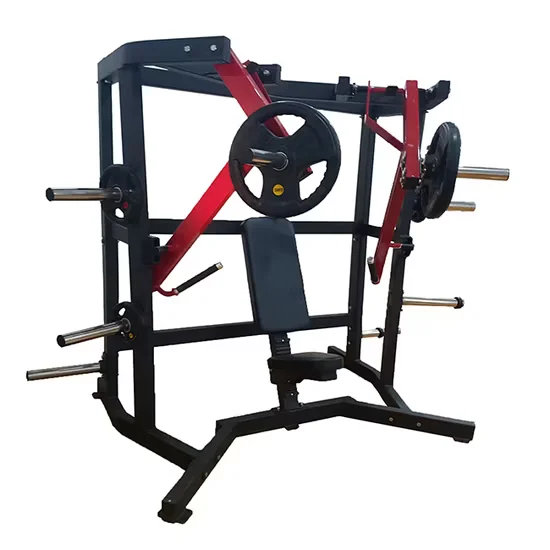
Commercial Barbell Rack, Steel Frame, Customizable Frame and Cushion Colors — engineered with industrial-grade steel construction and an unfolded integrated structure to eliminate joint weak points found in foldable alternatives, ensuring long-term stability under repeated heavy loading in high-traffic environments. Every unit undergoes load testing before shipment, backed by a 10-year frame warranty and floor planning support for optimal gym layout.
// Spec Highlights
• Direct from Manufacturer · No Middlemen · Worldwide Shipping
01
// Material
Imported Solid Wood
Premium hardwood frames sourced for density and visual warmth.
02
// Hardware
Medical-Grade Silent
Whisper-quiet pulleys and springs for clinical environments.
03
// Customization
Appearance OEM
Color, upholstery, and branding tailored to your studio.
04
// Service
Layout Design
Free venue planning for studios and rehab institutions.
Every component is selected for longevity, performance, and aesthetic harmony - from imported hardwood frames to silent medical-grade accessories.
// Features
Mill-Certified 11-Gauge Steel — Every tube in the Commercial Barbell Rack H5072 traces back to its original Q235/Q345 steel coil documentation.
| Parameter | Value |
|---|---|
| Product Type | Barbell Rack |
| Frame Steel | 11-gauge, 3×3 inch tube |
| Steel Grade | Q235 / Q345 industrial steel |
| Welding Type | Robotic MIG continuous weld |
| Powder Coating | 200μm scratch-resistant |
| Product Dimensions | 1000×7500×1430mm |
| Net Weight | 50kg |
| Main Frame Color | Customizable |
| Cushion Color | Customizable |
| Certification | ISO 9001, CE |
| Warranty | 10-year frame |
| Facility Type | Typical Use |
|---|---|
| Commercial gym strength floor | Centralized barbell storage for free weight zones |
| CrossFit box functional zone | High-turnover bar and plate staging between WODs |
| Hotel fitness center | Compact, branded rack for limited-space strength areas |
| University strength and conditioning room | Team-athlete barbell staging during group sessions |
Tube wall thickness dictates whether a rack absorbs or resists repeated impact loading.
Walk into most commercial facilities and you will see barbell racks with frames described simply as "commercial grade" — a phrase that tells buyers nothing about wall thickness, steel grade, or weld penetration. Under daily heavy use, thin-wall tubes develop visible flex at the uprights, and spot-welded joints begin to crack at stress concentration points within the first year. [NEED_CITE: EN 957 structural requirements for stationary training equipment] The Commercial Barbell Rack H5072 eliminates this ambiguity by specifying 11-gauge steel with mill certification that traces each batch to its source coil.
A barbell rack anchors the free weight zone, acting as the primary storage point for Olympic bars, specialty bars, and bumper plates. The Commercial Barbell Rack H5072 complements power racks, half racks, and lifting platforms by keeping loaded and unloaded bars accessible without consuming platform footprint. Its linear footprint suits facilities running high member throughput where athletes cycle through barbell work in rapid succession. The unfolded, integrated frame design accommodates users across a broad range of body sizes without requiring adjustable components.
Every time a member returns a loaded barbell to the storage pegs, the rack absorbs an impact load that travels through the uprights and into the base welds. Over hundreds of daily cycles, these micro-impacts accumulate at welded joints and contact points. [NEED_CITE: weld classification and fatigue performance in structural steel] Continuous MIG welds distribute this stress along the full seam rather than concentrating it at isolated spots. The 200μm powder coating resists chipping at high-contact zones where barbell sleeves repeatedly strike the steel, while also standing up to sweat and cleaning chemicals applied during daily maintenance routines.
The 3×3 inch tube profile combined with 11-gauge wall thickness creates a structural moment of inertia that resists bending far better than smaller-section alternatives. Robotic MIG welding ensures full-penetration continuous seams without cold joints — the kind of hidden defect that spot welds routinely introduce at load-bearing intersections. Sandblast pre-treatment before powder coating removes mill scale and embedded contaminants, giving the 200μm finish proper adhesion so it does not flake when struck by barbell collars. Q235 and Q345 steel grades provide predictable yield behavior under static and impact loads, meaning the frame deforms elastically and returns to true rather than developing permanent bend.
Thin-wall tubing saves material cost upfront but demands expensive on-site repairs when uprights bend or crack under commercial use. Spot welds that pass initial visual inspection fail unpredictably, creating liability exposure when a loaded rack collapses. Non-industrial powder coatings chip within months at barbell contact points, exposing bare steel to oxidation and forcing premature equipment replacement. [NEED_CITE: powder coating durability standards for commercial fitness equipment] Facilities that purchase underspecified racks end up budgeting for mid-life weld repairs and re-coating — expenses that exceed the initial savings.
The 11-gauge steel frame with mill-certified traceability means you can verify every tube’s origin, not just trust a supplier label. Robotic MIG continuous welding replaces the spot welds that crack under the repetitive impact of barbell returns. Every unit undergoes individual load testing before shipment — not sample-based QC on one unit per batch. The 200μm industrial powder coating holds up against barbell sleeve strikes and daily chemical cleaning. A 10-year frame warranty backs the structural integrity for long-term capital planning. CAD-supported floor layout services ensure the 1000×7500×1430mm footprint integrates into your strength zone with proper safety clearances between adjacent stations.
Share your strength zone dimensions and current equipment list to receive a 2D-3D floor plan that positions this commercial barbell rack with proper traffic clearances. Specify your facility’s daily member volume so structural ratings align with actual usage intensity. Provide target user demographics — from general population to collegiate athletes — to confirm the rack configuration suits your membership profile. Communicate any branding requirements including frame color, logo placement, or cushion color matching.
Q: How do I verify that a barbell rack uses true commercial-grade steel?
A: Request mill-certified documentation that traces the steel back to its original coil, showing grade designation and wall thickness measurements. A genuine commercial barbell rack will specify gauge and tube dimensions — typically 11-gauge or heavier with 3×3 inch profiles — rather than relying on vague marketing terms. Absent this paperwork, the steel specification is essentially unverified.
Q: Why does welding method matter for barbell rack durability?
A: Spot welds create isolated connection points that concentrate stress and crack under repeated barbell impacts. Continuous MIG welding produces a full-length seam that distributes load across the entire joint, significantly improving fatigue resistance. Inspect weld lines visually — uniform, continuous beads without gaps or cold joints indicate proper robotic welding quality.
Q: What powder coating thickness prevents chipping on a barbell rack?
A: High-contact zones on a barbell rack endure repeated strikes from barbell sleeves and collars, demanding a coating thick enough to absorb impacts without exposing bare steel. Industrial-grade applications at 200μm with proper sandblast pre-treatment provide meaningful scratch and corrosion resistance. Thinner coatings chip within months of commercial use, leading to rust and premature cosmetic degradation.
Q: How should I plan barbell rack placement on a commercial gym floor?
A: Measure the rack’s footprint and add safety clearances on all sides to accommodate members loading and unloading barbells without obstructing adjacent traffic. Consider proximity to lifting platforms and free weight zones for efficient workflow. CAD-based floor planning services help position equipment to eliminate unusable gaps and maintain safe passage widths throughout the strength area.
Premium aesthetics meet quiet operation for boutique studio environments.
Medical-grade silence and precision for sports & postpartum recovery.
Furniture-grade craftsmanship for premium residential installations.
Compact premium setups for one-on-one and small-group training.
Aesthetic Pilates integration for hybrid wellness studio programming.
Multi-unit deployment with instructor-grade reliability for certification programs.
Tell us about your project. Our team will respond within 24 hours with pricing, customization options, and shipping details.
// Sales Director
William
+86 132 2531 1800
// Export Manager
Bella
+86 198 5412 8032
william@bickfit.com