01 / Scenario
STUDIO
P
High-End Pilates Studios
Premium aesthetics meet quiet operation for boutique studio environments.

ISO
9001
CE
Certified
OEM
Available
10YR
Warranty
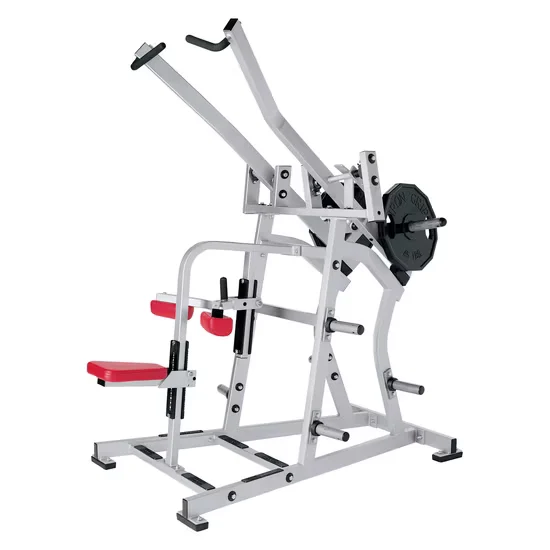
Commercial Lateral Raise Machine, Pin-Select Stack, 1050×1506×1300mm — built with 3×3 inch frame steel and sealed industrial bearings at the pivot joint for smooth, play-free resistance through high-volume shoulder isolation sets. Robotic MIG welding ensures continuous weld lines at stress points, eliminating spot-weld fatigue common in light-commercial alternatives. ISO 9001 and CE certified, with every unit load-tested before shipment and backed by a 10-year frame warranty.
// Spec Highlights
• Direct from Manufacturer · No Middlemen · Worldwide Shipping
01
// Material
Imported Solid Wood
Premium hardwood frames sourced for density and visual warmth.
02
// Hardware
Medical-Grade Silent
Whisper-quiet pulleys and springs for clinical environments.
03
// Customization
Appearance OEM
Color, upholstery, and branding tailored to your studio.
04
// Service
Layout Design
Free venue planning for studios and rehab institutions.
Every component is selected for longevity, performance, and aesthetic harmony - from imported hardwood frames to silent medical-grade accessories.
// Features
11-gauge steel traceability — Every frame tube on this commercial selectorized lateral raise machine is cut from Q235 mill-certified coil, with heat numbers traceable back to the original slab.
| Parameter | Value |
|---|---|
| Product Type | Selectorized Shoulder Machine |
| Model NO. | 5010 |
| Exercise Part | Arm (Shoulder) |
| Frame Steel | 11-gauge, 3×3 inch tube |
| Steel Grade | Q235, mill-certified |
| Welding Type | Robotic MIG, continuous weld |
| Loading Type | Pin-select |
| Bearing Type | Sealed industrial bearing |
| Powder Coating | 200μm, scratch-resistant |
| Product Dimensions | 1050×1506×1300 mm |
| Net Weight | 102 kg |
| Color Options | Optional |
| OEM | Available |
| Certification | ISO 9001, CE |
| Transport Package | Plywood Box |
| Production Capacity | 500 Units Per Month |
| Facility Type | Typical Use |
|---|---|
| Commercial gym strength floor | Selectorized shoulder isolation zone |
| Hotel and resort fitness center | Compact arm machine for limited floor space |
| University athletic department | High-volume shoulder conditioning room |
| Rehabilitation and performance center | Controlled lateral raise for rotator cuff recovery |
Continuous robotic MIG welding eliminates the fatigue failure point that spot-welded lateral raise machines develop under repetitive overhead loading.
Many selectorized arm machines on the market list frame steel only as "commercial grade" without specifying gauge or grade. Under daily lateral raise cycles — where the pivot arm endures eccentric loading at full extension — spot-welded joints at the pivot bracket are the first to show hairline cracks. Once a cold joint propagates, the arm develops lateral play, and the movement path no longer aligns with natural shoulder travel. [NEED_CITE: weld classification and fatigue performance in structural steel joints under cyclic loading]
This commercial selectorized lateral raise machine occupies the unilateral and bilateral shoulder abduction plane, targeting the lateral deltoid through a converging arc that matches natural joint travel. In a selectorized zone, it pairs directly with seated overhead press machines and cable crossover stations to cover all three deltoid heads without requiring plate changes. The pin-select stack allows rapid load transitions between users, making it suitable for facilities running 200+ daily visits where plate-loaded alternatives create bottlenecks. The seat and pad geometry accommodates a wide range of user torso lengths, from smaller-frame athletes to taller lifters.
Shoulder isolation machines experience a distinct fatigue profile: the pivot arm undergoes repeated eccentric loading at full extension, concentrating stress at the weld junction between the arm tube and the pivot bracket. In high-traffic commercial environments running 8+ hours daily, this cyclic loading accelerates wear at any unsealed bearing or bushing-type pivot point. The sealed industrial bearing at the pivot joint on this unit resists dust and sweat ingress that would otherwise degrade lubrication and introduce play within months. Powder coating at contact zones — where users grip the arm or adjust the seat — faces abrasion from hands and cleaning chemicals; the 200μm industrial finish resists chipping that would expose bare steel to corrosion. [NEED_CITE: bearing seal performance in high-humidity fitness environments]
The 11-gauge, 3×3 inch frame tube sets the bending resistance threshold for the main upright and pivot arm. Under lateral raise loading, the arm tube acts as a cantilever; wall thickness and cross-section dimension together determine how much deflection occurs before the user perceives instability. Thinner gauge or smaller cross-section tubes flex visibly at higher stack weights, undermining confidence in the movement path. The robotic MIG continuous weld along the pivot bracket ensures the full tube circumference carries load, rather than relying on isolated spot welds that concentrate stress. Sealed bearings at the pivot point maintain smooth rotation without the maintenance interval that open bushings demand in sweaty, dusty gym floors. The 200μm powder coating, applied over sandblasted steel, provides a corrosion barrier that survives years of wipe-down with gym-grade disinfectants. [NEED_CITE: powder coating adhesion and corrosion resistance on structural steel in commercial fitness equipment]
Frames built from thinner gauge steel or smaller cross-section tubes deflect under load, creating a wobbly arm path that users compensate for by gripping harder — accelerating upholstery tear. Spot-welded pivot brackets crack under cyclic overhead loading, forcing facility managers to weld-repair or replace entire frames within the first year. Non-sealed bearings develop play as sweat and chalk dust degrade the lubricant, introducing a gritty feel that members notice immediately. Low-density upholstery compresses permanently under daily use, requiring replacement every few months instead of years. Thin powder coating chips at high-contact zones, exposing bare steel that rusts from the inside out, shortening the machine’s usable life well before the frame itself fails. [NEED_CITE: upholstery foam density and compression set in commercial fitness applications]
Every commercial selectorized lateral raise machine leaving the Ningjin facility is built on 11-gauge Q235 steel, with mill certificates traceable to the original coil. Robotic MIG welding produces continuous weld lines on every structural joint — no spot-weld weak points, no cold joints. Each unit undergoes individual load testing before shipment, not batch sampling, verifying that the pivot arm and frame hold under rated capacity. The 200μm scratch-resistant powder coating is applied after sandblasting, ensuring adhesion that survives commercial cleaning regimens. A 10-year frame warranty backs the structural integrity of the steel and welds. For facility planners, 2D-3D CAD layout support ensures this commercial selectorized lateral raise machine fits into the shoulder zone with proper clearance from adjacent stations and safe traffic flow around the pivot arm arc. OEM options allow custom color, logo, and upholstery selection to match facility branding.
Provide your selectorized zone floor area and current equipment list to receive a 2D-3D CAD layout showing optimal placement of this commercial selectorized lateral raise machine with proper clearance and traffic flow. Share your average daily member count so the structural grade can be matched to your usage density. Specify your target user height and weight range to confirm seat adjustment coverage and stack weight selection. Custom color, facility logo, and upholstery options are available for OEM orders.
Q: How do I verify that a lateral raise machine is truly built for commercial use rather than light-commercial or home gym grade?
A: Request the mill-certified steel specification showing gauge and grade traceable to the coil. Verify that welding is continuous robotic MIG rather than manual spot weld. Confirm that every unit undergoes individual load testing before shipment, not batch sampling. Check that bearings at pivot points are sealed industrial type, not open bushings. These four markers separate true commercial construction from machines that fail under high-traffic daily use.
Q: What frame steel gauge and tube size are necessary for a selectorized shoulder machine in a high-volume gym?
A: The main upright and pivot arm should use minimum 11-gauge steel in a 3×3 inch tube cross-section. This combination provides sufficient bending resistance so the arm does not deflect visibly under heavy lateral raise loads. Thinner gauge or smaller tube dimensions allow flex that users perceive as instability, undermining confidence in the movement path and accelerating weld fatigue at the pivot bracket over time.
Q: How does a selectorized lateral raise machine differ from a plate-loaded version for gym floor planning?
A: A selectorized lateral raise machine uses a pin-select weight stack, allowing rapid load changes between users without handling individual plates. This suits high-traffic facilities where members rotate through stations quickly. Plate-loaded versions require manual plate loading and are better suited to strength-focused or powerlifting-oriented floors where users prefer heavier loads and longer rest periods. The selectorized model occupies a similar footprint but eliminates plate storage needs adjacent to the station.
Q: What maintenance schedule should I follow for the pivot bearing and pulley system on a commercial selectorized shoulder machine?
A: Inspect the sealed pivot bearing quarterly for smooth rotation and absence of play or grinding noise. Under normal commercial use, sealed bearings require no lubrication and typically last years before replacement. Check the aircraft-cable pulley system quarterly for fraying, routing alignment, and smooth travel. Wipe down powder-coated surfaces with pH-neutral cleaner to prevent sweat and disinfectant buildup. Replace upholstery when compression or tearing is observed, typically on an annual inspection cycle.
Q: How long does the upholstery last on a commercial lateral raise machine used heavily every day?
A: Upholstery life depends on foam density, vinyl gauge, and daily usage volume. High-density foam with commercial-grade vinyl typically maintains shape and surface integrity for multiple years under 8+ hours daily use. Lower-density alternatives compress permanently and tear at seam lines within months. Confirm that replacement pads are available through the manufacturer’s OEM parts channel so you can swap worn upholstery without taking the entire machine offline for extended periods.
Premium aesthetics meet quiet operation for boutique studio environments.
Medical-grade silence and precision for sports & postpartum recovery.
Furniture-grade craftsmanship for premium residential installations.
Compact premium setups for one-on-one and small-group training.
Aesthetic Pilates integration for hybrid wellness studio programming.
Multi-unit deployment with instructor-grade reliability for certification programs.
Tell us about your project. Our team will respond within 24 hours with pricing, customization options, and shipping details.
// Sales Director
William
+86 132 2531 1800
// Export Manager
Bella
+86 198 5412 8032
william@bickfit.com