01 / Scenario
STUDIO
P
High-End Pilates Studios
Premium aesthetics meet quiet operation for boutique studio environments.
ISO
9001
CE
Certified
OEM
Available
10YR
Warranty
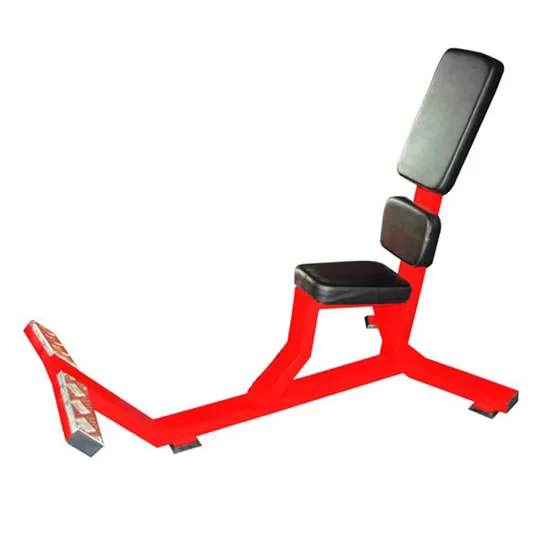
Commercial Utility Bench, 1120×640×1145 mm, Steel Frame, Multi-Position Adjustment — engineered with continuous MIG welding and industrial-grade upholstery for high-traffic free weight zones. Adjustment mechanism designed for stable angle transitions under dynamic loading. Every unit undergoes load testing before shipment, backed by 10-year frame warranty and floor planning support.
// Spec Highlights
• Direct from Manufacturer · No Middlemen · Worldwide Shipping
01
// Material
Imported Solid Wood
Premium hardwood frames sourced for density and visual warmth.
02
// Hardware
Medical-Grade Silent
Whisper-quiet pulleys and springs for clinical environments.
03
// Customization
Appearance OEM
Color, upholstery, and branding tailored to your studio.
04
// Service
Layout Design
Free venue planning for studios and rehab institutions.
Every component is selected for longevity, performance, and aesthetic harmony - from imported hardwood frames to silent medical-grade accessories.
// Features
Mill-Certified Steel — Every frame tube traces back to the Q235/Q345 coil certificate, eliminating guesswork on gauge and grade for this commercial adjustable utility bench.
| Parameter | Value |
|---|---|
| Product Type | Adjustable Bench |
| Product Dimensions | 1120×640×1145 mm |
| Net Weight | 28 kg |
| Frame Material | Steel |
| Frame Finish | Sandblast plus 200μm scratch-resistant powder coating |
| Welding Type | Robotic MIG continuous weld |
| Load Capacity | Tested beyond 500 kg |
| Adjustment Positions | Multi-position |
| Upholstery | Available in standard or high-density options |
| Certification | ISO 9001, CE |
| Warranty | 10-year frame warranty |
| OEM | Available |
| Facility Type | Typical Use |
|---|---|
| Commercial gym strength floor | Free weight zone dumbbell and barbell pressing stations |
| Hotel fitness center | Multi-exercise bench for varied guest training routines |
| University strength and conditioning room | Athlete bench pressing and accessory lift stations |
| Crossfit box functional zone | Accessory bench work between rig-based WODs |
| Rehabilitation and performance center | Controlled-range pressing and seated upper-body work |
Wall thickness defines whether the frame absorbs or surrenders to dynamic loading.
Many benches sold as "commercial grade" arrive with tube walls that flex visibly when a user un-racks heavy dumbbells. The problem is not cosmetic — it accelerates weld fatigue at the base-to-upright junctions, where bending moments concentrate. When gauge is left unspecified on a purchase order, buyers have no recourse once the base tubes oval out at the bolt holes [NEED_CITE: EN 957 structural requirements for stationary training equipment]. A verifiable 11-gauge specification means the steel has enough cross-sectional area to resist deformation cycle after cycle, keeping the bench stable through years of daily commercial use.
The commercial adjustable utility bench anchors the dumbbell training area, covering flat through incline pressing and seated upper-body accessory work. It pairs directly with dumbbell racks, plate trees, and barbell stations to fill the horizontal and incline pressing planes. Facilities with high member throughput benefit from dedicating multiple units to prevent wait times during peak hours. The multi-position adjustment accommodates users ranging from first-time gym members to competitive powerlifters warming up with lighter loads. A commercial adjustable utility bench in this configuration supports a broad training population without requiring dedicated machines for each movement variation.
Every session loads the bench through multiple vectors — static weight of the user, dynamic forces from un-racking dumbbells, and eccentric loading when lowering weights to the floor. These cycles accumulate across dozens of daily users, concentrating fatigue at the weld joints where uprights meet the base frame. The adjustment pin mechanism also endures repeated shear loading as members shift backrest angles throughout the day. Upholstery foam compresses and rebounds hundreds of times daily, and the surface material resists abrasion from clothing, chalk, and cleaning agents [NEED_CITE: fatigue classification in structural steel weldments]. Powder coating at contact points must withstand metal-on-metal impact from dumbbell drops and kettlebell handles brushing the frame.
The 1120×640×1145 mm footprint determines how many benches fit within a free weight platform area while maintaining safe passage clearances. Net weight of 28 kg reflects the mass of steel and hardware — a heavier bench generally signals thicker tube walls and a wider base stance for stability. Robotic MIG continuous welds eliminate the skip-weld pattern that leaves unwelded gaps vulnerable to crack propagation under repeated loading. The 200μm powder coating, applied after sandblast preparation, provides a coating thickness that resists chipping at impact points where weights contact the frame. Multi-position adjustment allows the backrest to lock into distinct angles, with each detent machined to bear shear loads without gradual loosening.
A bench built with lighter-gauge tube saves money on the invoice but shifts the expense into the operational timeline. Thin-walled base tubes deform at the leveling foot mounts, creating a wobble that members notice immediately. Spot-welded joints at the adjustment bracket fail unpredictably, often during a heavy set, creating liability exposure for the facility operator. Low-density foam compresses permanently within months, requiring upholstery replacement that takes the bench out of service. Thin powder coating chips within the first year at dumbbell contact zones, exposing bare steel to sweat-driven corrosion [NEED_CITE: corrosion progression in powder-coated gym equipment frames]. Non-standard adjustment hardware means replacement pins and brackets may not be available from the original supplier.
The 11-gauge frame steel is sourced with mill certificates traceable to the coil, so the gauge on the spec sheet matches what arrives at the gym floor. Robotic MIG welding produces continuous weld lines at every structural joint, removing the inconsistency of manual spot welding. Each unit undergoes load testing before shipment rather than relying on sample-based batch inspection. The 200μm industrial powder coating is applied over sandblasted surfaces, creating adhesion that survives years of commercial impact and chemical cleaning. The 10-year frame warranty reflects confidence in the structural system rather than a marketing promise. For facility planning, 2D and 3D CAD layouts position the commercial adjustable utility bench within safe clearance zones, and OEM options allow custom color and logo application to match the gym brand identity.
Provide the total free weight zone area and current equipment list to receive a 2D or 3D layout that positions each bench with verified safety clearances. Specify expected daily user volume so the structural grade and unit quantity can be matched to the traffic load. Identify the user population range — from general fitness members to competitive athletes — to confirm the adjustment positions and frame stability meet the training demands. Note any custom requirements including frame color, logo placement, or upholstery density preference for brand consistency across the floor.
Q: How do I distinguish a true commercial bench from a light-commercial alternative?
A: Request the frame steel gauge and wall thickness with mill certification rather than accepting "commercial grade" as a description. Inspect weld type — continuous MIG welds resist fatigue far better than spot welds. Check whether load testing is performed on every unit or only on production samples. Verify the warranty duration and what structural components it covers.
Q: What frame specifications support heavy dumbbell and barbell work?
A: An 11-gauge steel frame with verifiable mill certification provides the cross-sectional area needed to resist bending under heavy eccentric loads. The tube profile dimensions and base width together determine tip resistance. Continuous weld joints at the upright-to-base connection prevent crack initiation at stress concentrations during repeated loading cycles.
Q: How does the adjustment mechanism affect long-term bench stability?
A: The adjustment pin and detent system must withstand shear forces every time a user changes the backrest angle. Machined detents hold position more reliably than stamped slots, which can deform and allow the backrest to slip mid-set. A well-designed mechanism maintains tight angle lock across thousands of position changes without requiring replacement hardware.
Q: What upholstery specifications prevent splitting in high-traffic environments?
A: High-density foam resists permanent compression from repeated daily use, maintaining support and shape over a longer service life. The cover material must resist abrasion from clothing friction, chalk residue, and commercial cleaning agents. Confirm that replacement upholstery pads are available from the manufacturer so worn pads can be swapped without bench downtime.
Premium aesthetics meet quiet operation for boutique studio environments.
Medical-grade silence and precision for sports & postpartum recovery.
Furniture-grade craftsmanship for premium residential installations.
Compact premium setups for one-on-one and small-group training.
Aesthetic Pilates integration for hybrid wellness studio programming.
Multi-unit deployment with instructor-grade reliability for certification programs.
Tell us about your project. Our team will respond within 24 hours with pricing, customization options, and shipping details.
// Sales Director
William
+86 132 2531 1800
// Export Manager
Bella
+86 198 5412 8032
william@bickfit.com