01 / Scenario
STUDIO
P
High-End Pilates Studios
Premium aesthetics meet quiet operation for boutique studio environments.

ISO
9001
CE
Certified
OEM
Available
10YR
Warranty
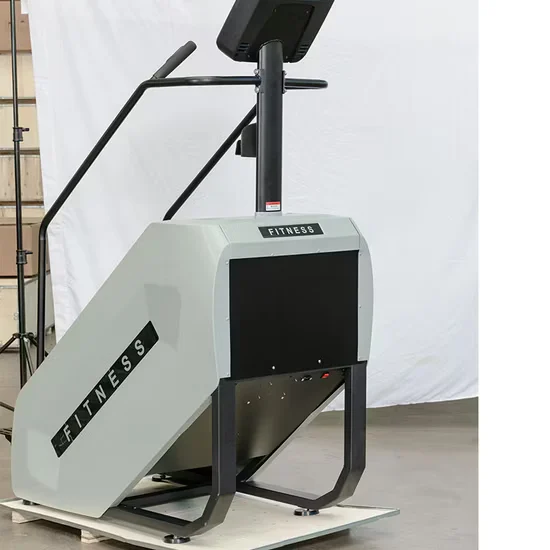
Stair Climber, 160kg Net Weight, 300kg Max Load, 15-164 RPM Speed Range — magnetic silent drive eliminates belt noise and friction wear, aluminium alloy frame with electric motor delivers smooth continuous operation for high-traffic cardio zones. Every unit undergoes full load testing before shipment, backed by 10-year frame warranty and factory-direct floor planning support.
// Spec Highlights
• Direct from Manufacturer · No Middlemen · Worldwide Shipping
01
// Material
Imported Solid Wood
Premium hardwood frames sourced for density and visual warmth.
02
// Hardware
Medical-Grade Silent
Whisper-quiet pulleys and springs for clinical environments.
03
// Customization
Appearance OEM
Color, upholstery, and branding tailored to your studio.
04
// Service
Layout Design
Free venue planning for studios and rehab institutions.
Every component is selected for longevity, performance, and aesthetic harmony - from imported hardwood frames to silent medical-grade accessories.
// Features
Aluminium Frame Integrity — The Sq-1017 stair climber is built with aluminium alloy pipe construction, delivering corrosion resistance and a favorable strength-to-weight ratio for sustained commercial operation without the rust vulnerabilities of untreated steel frames.
| Parameter | Value |
|---|---|
| Product Type | Stair Climber |
| Frame Material | Aluminium Alloy Pipe |
| Step Surface | PP Plastic |
| Max Load Capacity | 200-300kg |
| Drive System | Electric Motor |
| Resistance Type | Magnetic |
| Speed Range | 15-164 RPM |
| Display Metrics | Steps, Time, Calories, Speed, Heart Rate |
| Product Dimensions | 1450 × 820 × 2080 mm |
| Net Weight | 160kg |
| Input Voltage | AC 220V±10% / AC 110V±10% |
| Foldable | No |
| Certification | CE, RoHS, ISO |
| Customization | Available |
| Facility Type | Typical Use |
|---|---|
| Commercial gym cardio zone | High-traffic stepped conditioning with silent magnetic drive for multi-floor installations |
| Hotel and resort fitness center | Guest-facing cardio where noise control and smooth operation are priorities |
| Home gym setup | Space-conscious environments requiring low-noise, electric-powered stepping equipment |
| University recreation center | Durable stepping stations for diverse user body mass and continuous daily scheduling |
Most stair climbers on the market quote vague "commercial-grade" frames with no verifiable material specs, and belt-driven systems that develop squeaks and slippage within months of daily use. The commercial magnetic silent stair climber eliminates friction-based braking entirely, replacing belts and chains with a magnetic resistance mechanism that produces no contact noise and no mechanical wear points. Magnetic resistance removes the maintenance cycle that belt-driven units demand under commercial traffic. In gyms operating 12+ hours daily, belt tension degrades, pulleys develop play, and the resulting noise compounds across a cardio floor — a problem that compounds further when units are stacked on upper floors where vibration transfers through the structure [NEED_CITE: acoustic transmission standards for fitness facility floor loading].
The commercial magnetic silent stair climber occupies the sustained aerobic stepping niche within a cardio lineup, complementing treadmills and ellipticals with a movement pattern that emphasizes continuous lower-body extension through the glutes, quadriceps, and calves. Its 1450 × 820 mm footprint fits standard cardio row spacing, and the 2080 mm height requires adequate ceiling clearance — a factor often overlooked in basement installations. The 200-300kg load rating accommodates a broad user mass range, making it suitable for facilities serving both general membership and strength-focused populations.
Stepping equipment endures a unique stress profile: each pedal cycle delivers an eccentric impact load as the user’s full body weight transfers through a single step, repeated thousands of times per session. The aluminium alloy pipe frame must resist cyclic fatigue at pedal pivot points and motor mount junctions where vibration concentrates. Magnetic resistance eliminates the lateral belt tension that warps frames on belt-driven models, but the motor and control board must still sustain continuous duty across the full 15-164 RPM range without thermal degradation. Pedal bearings and pivot bushings face contamination from sweat and floor dust, demanding sealed or shielded designs to prevent premature play [NEED_CITE: bearing seal classification for contaminated environments].
The aluminium alloy pipe construction offers inherent corrosion resistance — a meaningful advantage over standard steel tubing in environments where sweat, humidity, and cleaning chemicals accelerate surface degradation. The weight-to-strength ratio of aluminium allows a 160kg net unit to support up to 300kg dynamic load without the frame bulk that steel equivalents require. The electric drive system with adjustable RPM range depends on motor winding quality and control board thermal management; continuous commercial operation demands components rated for sustained duty cycles rather than intermittent residential use. The PP plastic step surface must resist compression and surface wear under repeated shoe contact, particularly at the ball-of-foot strike zone where abrasion concentrates.
Thin-wall steel frames on budget stair climbers flex visibly under heavier users, creating a perception of instability that erodes member confidence — and over time, that flex translates into cracked welds at stress concentration points. Belt-driven systems that save cost at the point of manufacture generate recurring maintenance calls: belt replacement, tension adjustment, pulley realignment, and noise complaints from adjacent training areas. Non-sealed bearings in pedal assemblies develop play within months, producing grinding noise and uneven pedal travel that compromises user experience. Powder-coated steel frames in humid cardio zones chip at contact points, exposing bare metal to corrosion that spreads beneath the coating before anyone notices.
Every commercial magnetic silent stair climber undergoes individual load testing before shipment — not sample-based inspection, but per-unit verification against the rated 200-300kg capacity. The aluminium alloy frame material is sourced with mill certification traceable to batch, providing documentation that generic "commercial-grade" claims cannot match. The 200μm industrial powder coating on steel contact surfaces and the sealed bearing specification across pedal and pivot points reflect a build standard designed for high-traffic environments. For facility planners, the 1450 × 820 × 2080 mm dimensions and 160kg net weight inform both floor loading calculations and spatial layout — and 2D-3D CAD planning support ensures this unit integrates with safe clearance distances to adjacent equipment. OEM customization options cover console branding, color matching, and upholstery selection to align with facility identity.
Provide your cardio floor dimensions and existing equipment layout to receive a 2D-3D spatial plan showing the Sq-1017 placement with safe clearance distances and traffic flow. Specify your average daily user count and peak-hour traffic to confirm the drive system duty cycle matches your operational intensity. Indicate target user body mass range to verify load capacity alignment, and share any branding, color, or console customization requirements for OEM configuration.
Q: How does magnetic resistance compare to belt-driven systems in commercial stair climbers?
A: Magnetic resistance eliminates physical contact between the braking mechanism and the flywheel, removing the belt tension, slippage, and friction wear that belt-driven systems require ongoing adjustment for. In commercial environments running 10+ hours daily, this translates to significantly fewer maintenance interventions — no belt replacements, no tension recalibration, and no noise degradation over time. The trade-off is a higher initial component cost, offset by reduced service frequency and longer intervals between part replacements.
Q: What frame specifications differentiate commercial-grade from light-commercial stair climbers?
A: Commercial-grade frames use verified aluminium alloy or steel tubing with documented wall thickness and grade certification, rather than unmarked tubes labeled only as "commercial." The commercial magnetic silent stair climber uses aluminium alloy pipe with traceable material sourcing, supporting 200-300kg dynamic load without the flex and fatigue cracking that thin-wall steel frames develop under repeated eccentric stepping loads. Weld quality, bearing seal rating, and coating thickness further separate commercial builds from light-commercial alternatives.
Q: How should facility operators verify load capacity claims against actual structural testing?
A: Request per-unit load test documentation rather than sample-based certification — a test report on one production unit does not confirm that every shipped unit meets the rated capacity. The commercial magnetic silent stair climber undergoes individual load verification before shipment, with test records available for review. Operators should also confirm that the rated capacity accounts for dynamic eccentric loading during stepping motion, not just static weight placement, as the forces generated during actual use exceed stationary load measurements.
Q: What maintenance is required for the electric drive system in high-traffic gym environments?
A: Electric drive systems in commercial stair climbers require periodic inspection of motor windings for thermal degradation, control board connections for vibration-induced loosening, and the magnetic resistance assembly for consistent output across the RPM range. Pedal pivot bearings should be checked for smooth rotation and contamination ingress at regular intervals. Unlike belt-driven systems, there is no belt tension to adjust or belt to replace — but motor cooling airflow paths must remain unobstructed to prevent overheating during continuous operation.
Premium aesthetics meet quiet operation for boutique studio environments.
Medical-grade silence and precision for sports & postpartum recovery.
Furniture-grade craftsmanship for premium residential installations.
Compact premium setups for one-on-one and small-group training.
Aesthetic Pilates integration for hybrid wellness studio programming.
Multi-unit deployment with instructor-grade reliability for certification programs.
Tell us about your project. Our team will respond within 24 hours with pricing, customization options, and shipping details.
// Sales Director
William
+86 132 2531 1800
// Export Manager
Bella
+86 198 5412 8032
william@bickfit.com