
01 / Scenario
STUDIO
P
High-End Pilates Studios
Premium aesthetics meet quiet operation for boutique studio environments.
ISO
9001
CE
Certified
OEM
Available
10YR
Warranty
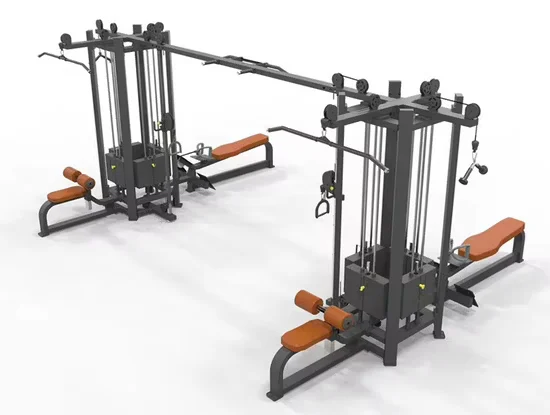
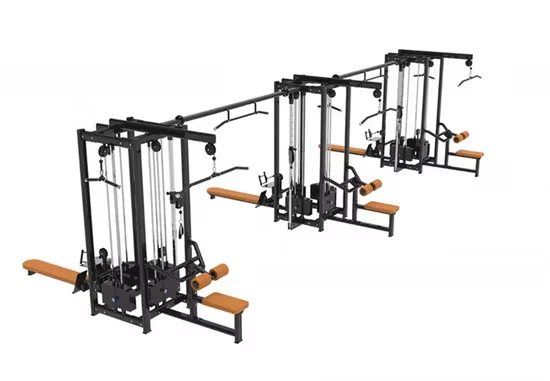
Multi-Station Selectorized Strength Machine, 5170x4620x2310mm, 1100kg Net Weight — engineered with 3mm frame tube walls and pin-select loading across multiple arm-focused stations for continuous commercial use. Sealed bearing pulley systems and customizable frame and cushion color options support high-traffic gym environments. Every unit undergoes load testing before shipment, backed by a 10-year frame warranty and factory-direct floor planning support.
// Spec Highlights
• Direct from Manufacturer · No Middlemen · Worldwide Shipping
01
// Material
Imported Solid Wood
Premium hardwood frames sourced for density and visual warmth.
02
// Hardware
Medical-Grade Silent
Whisper-quiet pulleys and springs for clinical environments.
03
// Customization
Appearance OEM
Color, upholstery, and branding tailored to your studio.
04
// Service
Layout Design
Free venue planning for studios and rehab institutions.
Every component is selected for longevity, performance, and aesthetic harmony - from imported hardwood frames to silent medical-grade accessories.
// Features
3×3 inch frame steel with traceable mill certification — Every tube section in this multi-station selectorized unit is cut from Q345 coil stock with documentation back to the original heat number, ensuring consistent wall thickness across all junction points.
| Parameter | Value |
|---|---|
| Product Type | Multi-Station Selectorized Strength Machine |
| Frame Tube Size | 3mm wall thickness |
| Product Dimensions | 5170×4620×2310mm |
| Net Weight | 1100kg |
| Loading Type | Selectorized / pin-select |
| Exercise Part | Arm |
| Power Source | Manual |
| Assembly State | Disassembled Shipping |
| Color Options | Frame and cushion customizable (Yellow, Black, Orange, Pink, etc.) |
| OEM/ODM | Available |
| Certification | CE |
| Spare Parts | Provided |
| Gym Chart | Provided |
| Facility Type | Typical Use |
|---|---|
| Commercial gym strength floor | Multi-user arm training zone with pin-select convenience |
| Hotel fitness center | Space-efficient multi-exercise solution for diverse guest populations |
| Community fitness center | Budget-conscious equipment allocation covering multiple movement patterns |
| University strength and conditioning room | High-traffic arm development station for athletic programs |
Frame tube wall thickness directly determines deflection thresholds when multiple pin-select stacks operate simultaneously.
Multi-station machines marketed as commercial grade often obscure frame tube specifications with unverifiable claims. When three or four users load different stations on the same frame structure, cumulative stress concentrates at junction points where tubes intersect. Thin-wall tubing that passes single-station testing shows measurable flex when adjacent stations operate at peak load. The 3mm wall thickness specified here addresses this by maintaining rigidity across the entire 5170×4620mm footprint, regardless of which combination of arm stations are active. [NEED_CITE: structural deflection limits for multi-station strength equipment under simultaneous loading]
This commercial multi-station selectorized strength training equipment consolidates push, pull, and isolation patterns for biceps, triceps, forearms, and shoulder stabilizers into a single 5170×4620mm footprint. The pin-select loading system allows users to transition between exercises without plate changes, maintaining workout density during peak gym hours. In a typical commercial strength zone, this unit complements plate-loaded upper body machines and free weight stations by filling the selectorized arm training gap. The multi-position seating and adjustable start positions accommodate users across a wide stature range, from smaller-framed individuals to taller athletes requiring extended cable paths.
The structural challenge of multi-station equipment lies in how forces propagate through the frame when different stations operate at different times and loads. Static loads from pin-select stacks create constant compression in vertical members, while dynamic cable forces introduce cyclic tension at pulley mount points. The 1100kg net weight reflects substantial steel mass designed to resist vibration and maintain stability during rapid weight stack changes. At each junction where horizontal and vertical tubes meet, continuous weld distribution prevents the stress concentration that causes spot welds to initiate fatigue cracks. Sealed bearing systems at each pulley pivot reduce maintenance frequency compared to bushing alternatives exposed to gym environment contaminants. The 3mm wall thickness provides adequate section modulus to resist bending moments generated by offset cable loading paths. [NEED_CITE: weld fatigue performance in cyclically loaded structural steel frames]
Frame tube wall thickness and cross-section geometry work together to establish the deflection threshold under load. The 3mm specification, combined with the rectangular tube profile, creates a section modulus that resists bending when users load stations to maximum capacity. Continuous robotic welding at all structural joints eliminates the weak points inherent in spot-welded construction, where incomplete fusion creates crack initiation sites under repeated loading. Pulley systems with sealed bearings maintain smooth cable travel throughout the service life, preventing the binding that occurs when contaminants enter unsealed bushing systems. The powder coating process, applied after sandblasting to remove mill scale, creates a 200μm protective layer that resists chipping at contact points where users frequently grip or adjust components. Guide rods for weight stacks must maintain precise alignment to prevent binding under the off-center loading that occurs when users select partial stack weights.
Thin-wall tubing may pass visual inspection but deflects measurably when multiple stations operate simultaneously, creating alignment issues that accelerate cable and pulley wear. Spot welds at frame junctions crack under the cyclic loading of daily commercial use, creating safety liabilities that emerge months after installation. Non-sealed bearings develop play within the first year of high-traffic operation, requiring frequent adjustment or replacement that disrupts gym operations. Low-density upholstery compresses permanently under daily use, requiring replacement within months rather than years. Powder coating applied without proper surface preparation chips at contact points, exposing bare steel to corrosion from sweat and cleaning chemicals. Non-standard hardware dimensions create spare parts availability problems when original suppliers change specifications or discontinue components. [NEED_CITE: maintenance cost comparison between commercial-grade and light-commercial fitness equipment]
The 5170×4620×2310mm footprint of this commercial multi-station selectorized strength training equipment requires careful floor planning to ensure safe clearance around all stations. The 3mm frame steel with mill certification provides structural confidence for high-traffic installation. Robotic continuous welding at every junction eliminates the fatigue-prone weak points of spot-welded alternatives. Each unit undergoes load testing before shipment, verifying structural integrity rather than relying on sample-based quality control. The 10-year frame warranty reflects confidence in the steel specification and welding quality. Two-dimensional and three-dimensional CAD layout support ensures proper spacing between this unit and adjacent equipment, preventing unsafe overlap of user zones. OEM customization options allow frame and cushion color matching to facility branding while maintaining structural specifications.
Provide your strength zone floor area and equipment list to receive 2D-3D layout planning that positions this commercial multi-station selectorized strength training equipment with proper clearance and traffic flow. Specify your average daily user count to confirm the structural grade matches your usage intensity. Indicate your target user population stature range to verify adjustment positions accommodate your demographic. Custom color requests for frame and cushion upholstery can be matched to facility branding during the quotation process.
Q: How can I verify that frame tube specifications meet true commercial-grade requirements rather than light-commercial claims?
A: Request mill-certified steel documentation showing actual wall thickness measurements and tube dimensions with traceability to the original coil. Vague commercial grade claims without verifiable specifications often indicate thin-wall tubing that deflects under cumulative multi-station loading. The 3mm wall thickness specified here provides measurable rigidity across the full frame structure when multiple users operate adjacent stations simultaneously.
Q: What frame tube specifications indicate structural adequacy for multi-station selectorized machines with multiple simultaneous users?
A: Wall thickness and cross-section geometry together determine deflection thresholds under load. A 3mm wall thickness in rectangular tube profile provides adequate section modulus to resist bending when stations operate at maximum capacity. Continuous robotic welding at junctions distributes stress across the full joint rather than concentrating it at discrete spot weld points that initiate fatigue cracks under cyclic loading.
Q: How should I plan floor layout and safety clearances for large-footprint multi-station equipment in a commercial gym environment?
A: The 5170×4620mm footprint requires minimum 600mm clearance on all sides to accommodate user access, cable travel paths, and maintenance access. Adjacent equipment placement must prevent overlap of user zones where cable paths or body positions could create collision risks. Two-dimensional and three-dimensional CAD layout support ensures proper spacing based on your specific floor dimensions and traffic flow patterns.
Q: What maintenance intervals should be expected for cables, pulleys, and upholstery in high-traffic commercial use of multi-station equipment?
A: Sealed bearing pulley systems require quarterly visual inspection for cable wear and smooth rotation verification. Upholstery replacement intervals depend on usage density and user weight ranges, with replacement components available through standardized spare parts catalogs. Powder coated surfaces resist chipping at contact points when properly applied over sandblasted preparation, maintaining appearance through daily cleaning with mild detergent solutions.
Q: How do I assess weight stack guide rod quality to prevent binding under the off-center loading that occurs with partial stack selection?
A: Guide rods must maintain precise parallel alignment throughout the full stack travel range to prevent binding when users select partial weights that create asymmetric loading. Rod diameter and surface finish affect friction levels, while mounting bracket rigidity prevents deflection that misaligns the guidance path. Sealed bearing systems at pulley pivot points reduce side-loading forces that exacerbate guide rod binding in poorly designed stack systems.
Premium aesthetics meet quiet operation for boutique studio environments.
Medical-grade silence and precision for sports & postpartum recovery.
Furniture-grade craftsmanship for premium residential installations.
Compact premium setups for one-on-one and small-group training.
Aesthetic Pilates integration for hybrid wellness studio programming.
Multi-unit deployment with instructor-grade reliability for certification programs.
Tell us about your project. Our team will respond within 24 hours with pricing, customization options, and shipping details.
// Sales Director
William
+86 132 2531 1800
// Export Manager
Bella
+86 198 5412 8032
william@bickfit.com

![Commercial Smith Machine Power Rack for Home Gym [WARN] draft identifier mismatch](https://bickgym.com/wp-content/uploads/2026/08/commercial-smith-machine-power-rack-for-home-gym-warn-draft-identifier-mismatch-94c335.webp)