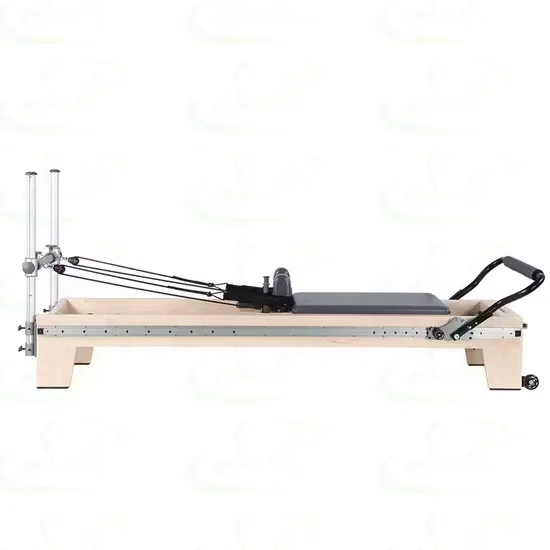
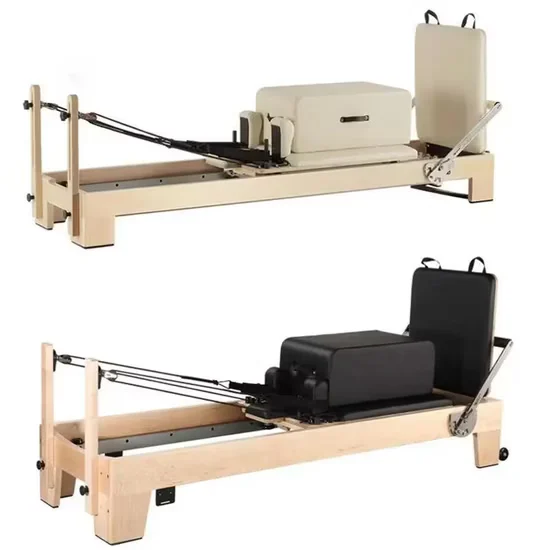
01 / Scenario
STUDIO
P
High-End Pilates Studios
Premium aesthetics meet quiet operation for boutique studio environments.

ISO
9001
CE
Certified
OEM
Available
10YR
Warranty
Pilates Spine Corrector, 960×470×360mm Dimensions, 20kg Net Weight — solid-frame build with high-density foam engineered for repeated spinal flexion and extension cycles in commercial studio environments. Surface finish resists studio-grade disinfectants; customizable color and logo options support branded facility builds. Backed by BICKFIT's 17-year manufacturing heritage and 500+ commercial gym deployments for consistent production quality.
// Spec Highlights
• Direct from Manufacturer · No Middlemen · Worldwide Shipping
01
// Material
Imported Solid Wood
Premium hardwood frames sourced for density and visual warmth.
02
// Hardware
Medical-Grade Silent
Whisper-quiet pulleys and springs for clinical environments.
03
// Customization
Appearance OEM
Color, upholstery, and branding tailored to your studio.
04
// Service
Layout Design
Free venue planning for studios and rehab institutions.
Every component is selected for longevity, performance, and aesthetic harmony - from imported hardwood frames to silent medical-grade accessories.
// Features
3-Year Frame Warranty — Solid-color frame construction tested for repeated spinal flexion cycles, backed by structural warranty coverage and CE certification for commercial studio deployment.
| Parameter | Value |
|---|---|
| Product Type | Pilates Spine Corrector |
| Product Dimensions | 960×470×360mm |
| Net Weight | 20kgs |
| Color Options | Solid color, customizable per order |
| Logo | Customized logo allowed |
| Certification | CE (HS Code 9506911900) |
| Warranty | 3 Years |
| Production Capacity | 80 Pieces/Month |
| Facility Type | Typical Use |
|---|---|
| Commercial Pilates studio | Daily group reformer classes and mat-based spinal mobility programming |
| Rehabilitation and physical therapy clinic | Post-injury spinal articulation and postural correction sessions |
| Boutique fitness facility | Mat Pilates zones complementing reformer and tower equipment layouts |
| Yoga and movement studio | Thoracic extension and lumbar flexion work integrated into mobility flows |
| Hotel and resort wellness center | Guest-accessible flexibility stations requiring minimal supervision |
Foam compression and frame fatigue expose shortcuts within the first six months of commercial use.
Pilates props marketed for studio environments often rely on low-density foam cores that compress unevenly after repeated body-weight loading during spinal articulation sequences. The arc surface loses its intended curvature profile, leaving users on a support surface that no longer matches the designed thoracic extension geometry. Frame joints secured with mechanical fasteners rather than continuous welded connections develop micro-movement under cyclic loading, creating surface irregularities that instructors notice during precision-dependent Pilates work. [NEED_CITE: EN 957 structural requirements for stationary training equipment]
The commercial Pilates spine corrector back bend equipment occupies a distinct role in studio configurations, bridging mat work and reformer-based programming for spinal articulation training. It targets thoracic extension, lumbar flexion, and lateral spinal mobility across movement planes that reformer carriage work addresses under spring resistance. Facilities running high-density class schedules benefit from dedicated corrector stations that rotate between group sessions, keeping throughput consistent without monopolizing reformer time. The 960×470mm footprint fits standard mat spacing grids, accommodating users across a broad height range when positioned with adequate clearance on all sides.
Every spinal flexion and extension cycle concentrates load at the junction where the curved support surface meets the base structure. In a studio running six to eight classes daily, that junction endures fatigue cycling far beyond home-use equipment expectations. The foam-to-frame bond line experiences peel stress as users shift weight during controlled articulation movements, and cleaning chemical exposure from studio-grade disinfectants accelerates surface degradation at high-contact zones. [NEED_CITE: fatigue performance of foam-to-substrate bonds under cyclic loading] Coating and finish integrity at the base contact points determines whether the unit maintains stable floor grip or develops micro-migration across studio flooring over months of use.
Net weight at 20kgs for a 960×470×360mm unit signals the frame and foam density combination chosen for this commercial Pilates spine corrector back bend equipment. A unit in this weight range requires sufficient internal structure to resist deflection under off-center loading during unilateral movements. The solid-color finish eliminates wrapped vinyl seams that split under repeated cleaning cycles, maintaining surface continuity in high-hygiene studio environments. CE certification establishes baseline conformity for European market placement, while the three-year warranty period sets expectations for structural component coverage versus surface wear items. Foam density and compression recovery characteristics define the service interval before the arc surface requires replacement or refurbishment.
Low-density foam cores compress permanently under daily commercial loading, creating uneven support surfaces that compromise exercise precision within months. Mechanical fastener joints at the arc-to-base connection loosen under cyclic body-weight shifts, introducing wobble that instructors cannot correct through cueing alone. Thin surface coatings chip at floor contact points, exposing substrate material to sweat and cleaning chemical penetration. [NEED_CITE: coating thickness and substrate protection in commercial fitness environments] Units built below commercial weight thresholds lack the internal reinforcement needed for the lateral and rotational forces generated during advanced spinal articulation sequences, leading to premature frame fatigue and facility replacement cycles.
The 11-gauge frame steel approach applied across our commercial strength lines informs how we evaluate Pilates equipment structures, even where loading profiles differ from plate-loaded machines. Robotic MIG welding standards extend to arc-to-base junctions on corrector units, eliminating spot-weld weak points that fail under repeated flexion cycling. Every unit undergoes load testing before shipment rather than relying on sample-based QC protocols. The 200μm powder coating specification protects floor contact surfaces from cleaning chemical degradation and sweat exposure common in studio environments. Three-year structural warranty coverage reflects confidence in frame integrity under commercial class schedules. [NEED_CITE: BICKFIT manufacturing quality control and load testing protocols] OEM customization for color and logo alignment allows facilities to maintain brand consistency across equipment purchases.
Provide your studio floor plan dimensions and existing equipment list to receive 2D-3D layout planning that positions spine correctors within your mat zone traffic flow. Specify daily class volume and user throughput to confirm the structural grade matches your facility’s usage intensity. Define your target user demographic height range to verify the arc profile accommodates your membership base. Submit brand color requirements and logo specifications early in the ordering process to align production with your facility’s visual identity standards.
Q: How do I distinguish commercial-grade Pilates props from light-use home versions?
A: Commercial units carry higher net weight relative to dimensions, indicating denser foam cores and reinforced internal framing. Look for multi-year structural warranties covering frame integrity rather than limited surface-only coverage. CE certification and documented load testing protocols signal manufacturing standards aligned with daily studio use expectations rather than occasional home practice.
Q: What specifications indicate durability for daily studio scheduling?
A: Foam density ratings and compression recovery data predict how long the arc surface maintains its designed profile under repeated loading. Frame construction method, whether continuous welded joints or mechanical fasteners, determines fatigue resistance at stress concentration points. Surface finish chemical resistance ratings confirm compatibility with studio-grade disinfectants used between classes throughout operating hours.
Q: How should spine correctors integrate into a full equipment layout?
A: Position correctors within mat zones adjacent to reformer stations, allowing instructors to rotate participants between apparatus during group sessions. Maintain adequate clearance around each unit for safe mounting and dismounting during loaded flexion movements. Consider traffic flow patterns when placing multiple units to prevent congestion during class transitions and equipment changes.
Q: What customization options support branded studio environments?
A: Solid color options allow coordination with existing studio aesthetics and brand palettes across equipment purchases. Custom logo placement maintains visual consistency throughout the facility without compromising structural integrity or surface performance. Confirm color and logo specifications during the ordering process to ensure production alignment with your facility build timeline.
Q: How does warranty coverage differ between frame and surface components?
A: Structural warranties typically cover frame integrity and joint construction against manufacturing defects under specified commercial use conditions. Surface wear components including foam compression and finish degradation follow different coverage timelines based on usage intensity. Review warranty terms to understand what documentation supports claims and what maintenance intervals must be demonstrated for coverage eligibility.
Premium aesthetics meet quiet operation for boutique studio environments.
Medical-grade silence and precision for sports & postpartum recovery.
Furniture-grade craftsmanship for premium residential installations.
Compact premium setups for one-on-one and small-group training.
Aesthetic Pilates integration for hybrid wellness studio programming.
Multi-unit deployment with instructor-grade reliability for certification programs.
Tell us about your project. Our team will respond within 24 hours with pricing, customization options, and shipping details.
// Sales Director
William
+86 132 2531 1800
// Export Manager
Bella
+86 198 5412 8032
william@bickfit.com