01 / Scenario
STUDIO
P
High-End Pilates Studios
Premium aesthetics meet quiet operation for boutique studio environments.

ISO
9001
CE
Certified
OEM
Available
10YR
Warranty
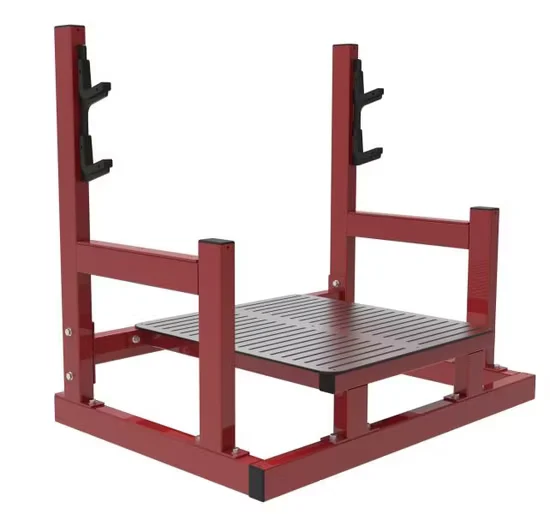
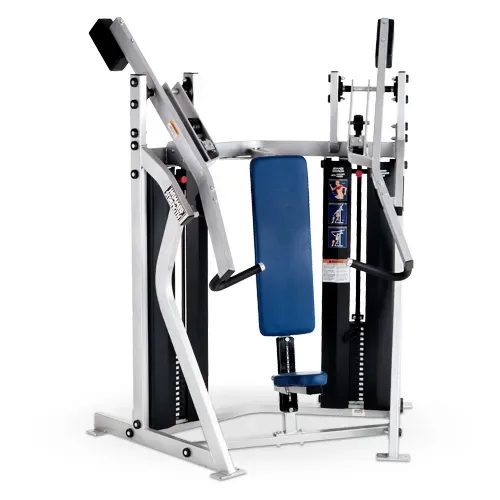
Commercial Plate Loaded Seated Dip Machine, 11-Gauge 3×3 Inch Frame, 163kg Net Weight — engineered with Q235 steel, robotic MIG continuous welds, and sealed industrial bearings for high-traffic commercial environments. The 200μm scratch-resistant powder coating with sandblast pre-treatment prevents chipping at contact points during daily use. Every unit undergoes individual load testing before shipment with documented QC records.
// Spec Highlights
• Direct from Manufacturer · No Middlemen · Worldwide Shipping
01
// Material
Imported Solid Wood
Premium hardwood frames sourced for density and visual warmth.
02
// Hardware
Medical-Grade Silent
Whisper-quiet pulleys and springs for clinical environments.
03
// Customization
Appearance OEM
Color, upholstery, and branding tailored to your studio.
04
// Service
Layout Design
Free venue planning for studios and rehab institutions.
Every component is selected for longevity, performance, and aesthetic harmony - from imported hardwood frames to silent medical-grade accessories.
// Features
Mill-Traceable Steel — Every 11-gauge tube in this plate loaded seated dip machine traces back to the originating steel coil via mill certification.
| Parameter | Value |
|---|---|
| Product Type | Plate Loaded Seated Dip Machine |
| Frame Steel Gauge | 11-gauge |
| Frame Tube Size | 3×3 inch |
| Steel Grade | Q235 |
| Welding Type | Robotic MIG |
| Loading Type | Plate loaded |
| Bearing Type | Sealed industrial bearings |
| Powder Coating | 200μm scratch-resistant |
| Product Dimensions | 1833×1492×1110mm |
| Net Weight | 163kg |
| Certification | ISO 9001:2015, CE |
| Warranty | 10-year frame warranty |
| Facility Type | Typical Use |
|---|---|
| Commercial gym strength floor | Primary dip station in plate loaded clusters for high-traffic member use |
| CrossFit box functional zone | Heavy-duty dip work embedded in strength circuits and partner training |
| Hotel and resort fitness center | Low-maintenance dip station for diverse guest demographics |
| University strength and conditioning room | Athlete upper-body pressing development under supervised programming |
| Rehabilitation and performance center | Controlled seated dip movements for return-to-training protocols |
A robotic MIG bead that never breaks continuity eliminates the exact failure point that shuts down dip stations in busy gyms.
Most plate loaded dip machines fail at the junction where the horn meets the main upright. Under repeated eccentric loading from heavy plates, a spot weld develops micro-fractures that propagate invisibly until the joint gives way entirely. We have pulled units off commercial floors where the weld pattern switched from continuous to intermittent at non-visible joints — the kind of cost cut that passes a visual inspection but cannot survive six months of real traffic [NEED_CITE: weld classification and fatigue performance in structural steel]. The commercial plate loaded seated dip machine addresses this by running robotic MIG passes across every structural junction, removing the operator inconsistency that produces cold joints and undercut defects.
The seated dip targets the triceps, anterior deltoid, and lower pectoral through a vertical pressing arc that complements overhead press and bench press stations. In a plate loaded cluster, it fills the gap between compound push movements and isolation work, giving members a controlled pressing option that removes the stabilisation demand of bodyweight dips. This commercial plate loaded seated dip machine suits facilities running moderate-to-high member density where free-weight dip stations would create congestion. The fixed movement path accommodates a wide range of torso lengths without requiring users to adjust their technique.
Every dip repetition generates a compound load: static weight from the plates, dynamic impact at the bottom reversal, and eccentric force as the user controls the descent. In an eight-hour commercial window, a single station can accumulate hundreds of these cycles, concentrating stress at the horn root and the seat-rail connection [NEED_CITE: EN 957 structural requirements for stationary training equipment]. Sealed industrial bearings at the pivot points prevent sweat and chalk ingress that would otherwise accelerate wear and introduce play into the movement arm. The 200μm powder coating resists abrasion at plate-contact zones where repeated loading chips thinner finishes down to bare steel.
An 11-gauge frame tube at 3×3 inch cross-section sets a deformation threshold well above the loads a seated dip station encounters in normal commercial use, meaning the steel resists flex even under sustained heavy plating. Robotic MIG welding produces a continuous fusion line without the start-stop defects inherent to manual welding on production floors. Sealed bearings eliminate the greasing intervals that unsealed bushings demand, keeping maintenance visits focused on bolt checks rather than pivot rebuilds. The 200μm coating thickness, applied over sandblast pre-treatment, bonds to the steel at a depth that survives years of plate contact and cleaning chemical exposure without delamination.
Thin-wall tubing on a dip machine may hold up during a showroom test but begins to deflect noticeably once plates stack past a moderate load, making the movement feel unstable. Spot-welded horn joints that crack without warning create a liability event, not just a maintenance ticket. Unsealed bearings develop radial play within months in humid gym environments, producing a knocking sensation that members report and staff must diagnose repeatedly. A thin powder coat that chips at the horn contact area exposes raw steel to sweat and moisture, starting a corrosion cycle that spreads under the remaining coating and forces a full refinish far earlier than expected [NEED_CITE: powder coating adhesion and corrosion progression in fitness environments].
The 11-gauge Q235 frame steel arrives with mill certification traceable to the coil, so the material grade is verifiable rather than claimed. Robotic MIG welding across every joint removes the variance that manual welding introduces on high-volume production runs. Each unit undergoes load testing before crating, producing a documented pass record rather than relying on sample-based quality assurance. The 200μm industrial powder coating, applied after sandblast preparation, keeps the finish intact at high-contact points through years of plate handling. A 10-year frame warranty underpins the structural package. Floor planning support includes CAD layout for this station, ensuring safe clearance on all sides for plate loading and user passage.
Provide your strength zone dimensions and current equipment schedule to receive a 2D or 3D layout showing how this plate loaded seated dip machine fits within safe clearance corridors. Indicate daily member throughput so the structural grade aligns with your traffic profile. Share any custom colour, logo, or upholstery requirements early so production scheduling accommodates the finish specification.
Q: How can I verify the steel specification beyond a generic "commercial grade" claim?
A: Request a mill certificate that traces the frame steel back to the producing coil, including grade designation and mechanical test results. A verifiable document names the steel mill, lists Q235 or Q345 grade, and shows the coil number matching the batch. Without this paperwork, "commercial grade" is a marketing label with no structural meaning.
Q: What is the relationship between frame gauge and load capacity on a dip machine?
A: Frame gauge determines wall thickness, which directly controls how much bending force the tube resists before permanent deformation. An 11-gauge tube paired with a 3×3 inch cross-section provides a higher deflection threshold than thinner alternatives, keeping the frame rigid under heavy plate loads and repeated eccentric cycles common in commercial use.
Q: Why do sealed bearings matter on a plate loaded dip station?
A: Sealed bearings prevent sweat, chalk dust, and cleaning moisture from entering the pivot mechanism. Unsealed bushings absorb contaminants and develop radial play, producing a knocking feel and requiring replacement. Sealed units run maintenance-free through the high cycle counts typical of a busy strength floor, keeping the movement arm tracking smoothly.
Q: How should I plan spacing between this dip machine and adjacent stations?
A: Factor in the full 1833×1492mm footprint plus clearance for users loading and unloading plates on both horns. Allow enough passage width for members to walk behind a loaded station without entering another user’s movement zone. A CAD layout from the manufacturer can verify these clearances against your specific floor dimensions.
Premium aesthetics meet quiet operation for boutique studio environments.
Medical-grade silence and precision for sports & postpartum recovery.
Furniture-grade craftsmanship for premium residential installations.
Compact premium setups for one-on-one and small-group training.
Aesthetic Pilates integration for hybrid wellness studio programming.
Multi-unit deployment with instructor-grade reliability for certification programs.
Tell us about your project. Our team will respond within 24 hours with pricing, customization options, and shipping details.
// Sales Director
William
+86 132 2531 1800
// Export Manager
Bella
+86 198 5412 8032
william@bickfit.com