01 / Scenario
STUDIO
P
High-End Pilates Studios
Premium aesthetics meet quiet operation for boutique studio environments.

ISO
9001
CE
Certified
OEM
Available
10YR
Warranty
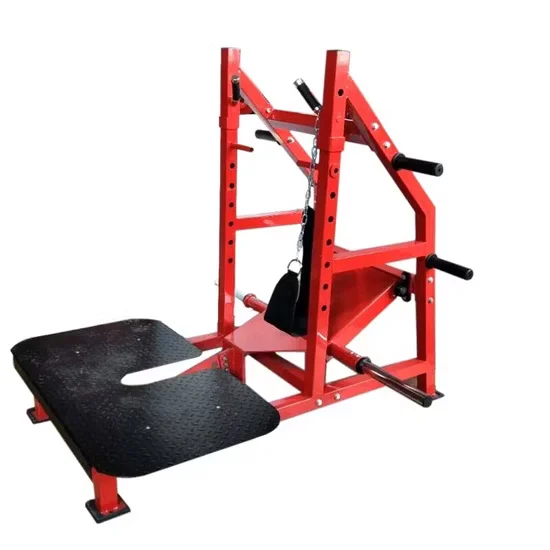
Plate Loaded Seated Row Machine, 1455x1476x2133 mm, 135kg Net Weight — built with 11-gauge steel frame and robotic MIG continuous welding for high-traffic commercial environments. Sealed industrial bearings and 200μm powder coating ensure long-term structural integrity under repeated heavy loading. Every unit undergoes individual load testing and three-stage QC inspection before shipment, backed by a 10-year frame warranty.
// Spec Highlights
• Direct from Manufacturer · No Middlemen · Worldwide Shipping
01
// Material
Imported Solid Wood
Premium hardwood frames sourced for density and visual warmth.
02
// Hardware
Medical-Grade Silent
Whisper-quiet pulleys and springs for clinical environments.
03
// Customization
Appearance OEM
Color, upholstery, and branding tailored to your studio.
04
// Service
Layout Design
Free venue planning for studios and rehab institutions.
Every component is selected for longevity, performance, and aesthetic harmony - from imported hardwood frames to silent medical-grade accessories.
// Features
Traceable Mill Steel — Every tube in this commercial plate loaded seated row machine traces back to a certified Q235/Q345 coil, not an unmarked commercial-grade label.
| Parameter | Value |
|---|---|
| Product Type | Plate Loaded Seated Row Machine |
| Frame Steel Gauge | 11-gauge |
| Frame Tube Size | 3×3 inch |
| Steel Grade | Q235 / Q345 industrial steel, mill-certified |
| Welding Type | Robotic MIG, continuous weld lines |
| Loading Type | Plate loaded |
| Bearing Type | Sealed industrial bearings |
| Powder Coating | 200μm scratch-resistant, sandblast pre-treated |
| Product Dimensions | 1455 × 1476 × 2133 mm |
| Net Weight | 135 kg |
| Exercise Part | Arm / Back |
| Certification | ISO 9001, CE |
| Color Options | Optional |
| OEM | Available |
| Transport Package | Plywood Box |
| Warranty | 10-year frame |
| Facility Type | Typical Use |
|---|---|
| Commercial gym strength floor | Primary horizontal pulling station in plate loaded zones |
| Hotel and resort fitness center | Durable mid-footprint row unit for varied guest traffic |
| University strength and conditioning room | High-volume back training for athletic programs |
| CrossFit box functional zone | Supplementary strength work alongside rig-based training |
| Rehabilitation and performance center | Controlled horizontal rowing for return-to-play protocols |
An 11-gauge frame holds its line where thinner tubes begin to deflect under repeated heavy loading.
Suppliers often quote "commercial grade" without naming the steel gauge or providing a mill certificate. When a seated row unit carries multiple plates on each horn, the main frame tube and the horn supports experience continuous bending stress. Thinner-walled steel may look fine on the showroom floor but develops micro-deflection over months of daily use, altering the movement path and accelerating wear at pivot points [NEED_CITE: EN 957 structural requirements for stationary training equipment]. This commercial plate loaded seated row machine uses 11-gauge, 3×3 inch Q345 steel so the structural baseline stays consistent across thousands of repetitions.
A plate loaded seated row fills the horizontal pull slot in any strength zone, targeting the mid-back, lats, and rear deltoids through a converging or iso-lateral movement path. It pairs naturally with a lat pulldown for vertical pulling and a chest press for the opposing push plane, creating a balanced upper-body circuit. The seated position and chest pad make it accessible to users across a wide range of body sizes, which is important in facilities that serve general-population members alongside athletes. The commercial plate loaded seated row machine occupies a compact footprint, fitting into high-density layouts without sacrificing safe clearance between stations.
Every repetition on a seated row generates a combination of static load from the plates and dynamic impulse at the start of each pull. The horn supports and the pivot bolt holes see the highest stress concentration, especially when users load unevenly or drop the handles at the end of a set. Sealed bearings at the pivot keep the swing arm moving without developing lateral play, a common failure point on units with open bushings exposed to sweat and chalk dust. [NEED_CITE: weld classification and fatigue performance in structural steel] The chest pad absorbs compressive force on every rep, so high-density upholstery with commercial-grade vinyl is necessary to resist splitting. Powder coating at contact points must withstand plate-on-frame impact and cleaning chemicals applied daily by maintenance staff.
The 11-gauge wall thickness and 3×3 inch tube profile set the deformation threshold: a wider cross-section distributes bending moment across more material, so the frame resists deflection under heavy plate loads. Robotic MIG welding produces continuous weld beads along every joint rather than intermittent spot welds, eliminating the weak points where fatigue cracks typically initiate. Sealed industrial bearings prevent sweat, dust, and chalk from entering the pivot mechanism, extending the interval before play develops and maintenance is required. A 200μm powder coat applied over sandblast preparation provides a mechanical bond to the steel surface, resisting chips at plate contact areas and preventing bare-metal corrosion. Together, these four parameters — gauge, weld, bearing, and coating — define how long a commercial plate loaded seated row machine stays operational before structural or cosmetic issues force replacement.
A frame built from thinner gauge tube may pass a static load test in the factory, but repeated eccentric loading during rowing sets causes progressive deflection that eventually bends the horn supports out of alignment. Spot-welded joints concentrate stress into small weld nuggets that crack under cyclic fatigue, creating a safety liability in any facility where members train unsupervised. Non-sealed bushings require regular lubrication and develop wobble within the first year of high-traffic use, increasing the maintenance burden on floor staff. [NEED_CITE: bearing maintenance cycles in commercial fitness equipment] Low-density foam pads compress permanently within months, forcing upholstery replacement that costs more in downtime and labor than the initial savings on materials.
Mill-certified Q235/Q345 steel with coil-level traceability means you can verify exactly what is in the frame of this commercial plate loaded seated row machine. Robotic MIG welding delivers continuous weld lines at every structural joint, not intermittent spot welds that leave gaps in the bead. Each unit undergoes load testing before crating — not sample-based batch testing, but individual verification under weighted conditions. The 200μm powder coating is applied after sandblast preparation, giving plates and cleaning chemicals a harder surface to wear through. A 10-year frame warranty backs the structural components. OEM color and logo options are available for branded facilities. Floor planning support includes CAD layouts showing safe clearance zones around the row station so traffic flow remains unobstructed.
Provide your total strength floor area and current equipment list to receive a 2D or 3D layout showing how this row machine integrates with existing stations and traffic corridors. Specify daily user volume so we can confirm the structural grade matches your facility’s usage intensity. Share the body-size range of your primary member population to verify pad and grip positioning accommodates your users. State any custom color, logo, or upholstery requirements early so OEM options are incorporated before production begins.
Q: How do I tell true commercial grade from light commercial on a seated row machine?
A: Request the steel gauge, tube dimensions, and a mill certificate from the supplier. Light commercial frames often use thinner wall tubing and spot-welded joints that are not rated for continuous heavy loading. Verify that load testing is performed on every unit, not just on a sample from the production batch.
Q: What is the relationship between frame tube size and load capacity?
A: Larger tube cross-sections and thicker walls increase the moment of inertia, which means the frame resists bending under heavy plate loads. On a row machine, the main upright and horn supports must handle both static weight and dynamic pulling force without deflection that alters the movement path.
Q: Plate loaded versus selectorized — which suits a high-traffic gym?
A: Plate loaded units have fewer moving parts and no weight stack guide rods to bind, making them suitable for facilities where members load heavy and train unsupervised. Selectorized stations offer faster weight changes but require more maintenance on cables and pulleys under continuous use.
Q: How much space should I allow around this row machine on the gym floor?
A: Plan for the machine footprint plus clearance on both sides for plate loading and on the rear for handle travel at full extension. A CAD layout from the manufacturer helps confirm safe passageways between adjacent stations and compliance with facility safety standards.
Q: How often does upholstery need replacing in a commercial environment?
A: Replacement intervals depend on daily user volume and the density of the foam specified at purchase. High-density commercial foam with reinforced vinyl typically outlasts standard padding by a meaningful margin. Order replacement pads from the original manufacturer to ensure mounting hole alignment.
Premium aesthetics meet quiet operation for boutique studio environments.
Medical-grade silence and precision for sports & postpartum recovery.
Furniture-grade craftsmanship for premium residential installations.
Compact premium setups for one-on-one and small-group training.
Aesthetic Pilates integration for hybrid wellness studio programming.
Multi-unit deployment with instructor-grade reliability for certification programs.
Tell us about your project. Our team will respond within 24 hours with pricing, customization options, and shipping details.
// Sales Director
William
+86 132 2531 1800
// Export Manager
Bella
+86 198 5412 8032
william@bickfit.com