01 / Scenario
STUDIO
P
High-End Pilates Studios
Premium aesthetics meet quiet operation for boutique studio environments.

ISO
9001
CE
Certified
OEM
Available
10YR
Warranty
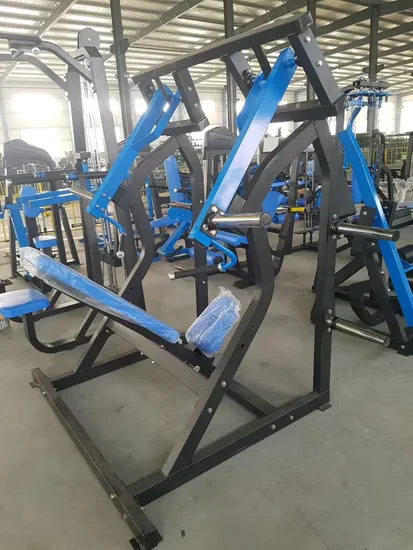
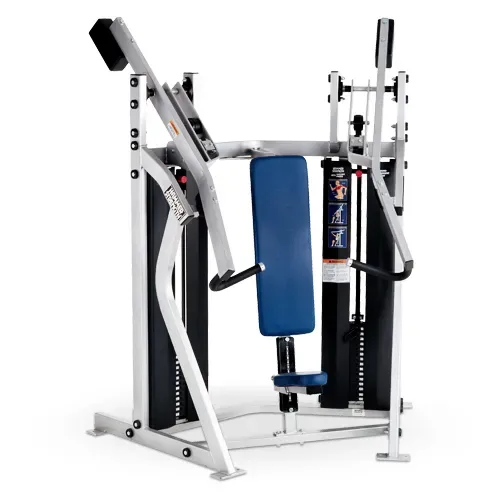
Commercial Seated Standing Shrug Machine, 1060×1550×1190mm, 86kg — dual-function selectorized design maximizes floor efficiency for high-traffic strength zones. Engineered with industrial steel frame and continuous welding to resist structural fatigue under repetitive loading. Every unit undergoes load testing before shipment with 10-year frame warranty and CAD floor planning support.
// Spec Highlights
• Direct from Manufacturer · No Middlemen · Worldwide Shipping
01
// Material
Imported Solid Wood
Premium hardwood frames sourced for density and visual warmth.
02
// Hardware
Medical-Grade Silent
Whisper-quiet pulleys and springs for clinical environments.
03
// Customization
Appearance OEM
Color, upholstery, and branding tailored to your studio.
04
// Service
Layout Design
Free venue planning for studios and rehab institutions.
Every component is selected for longevity, performance, and aesthetic harmony - from imported hardwood frames to silent medical-grade accessories.
// Features
11-Gauge Traceable Steel — Every tube in the Commercial Seated Standing Shrug Machine frame traces back to a certified Q235/Q345 coil with full mill documentation.
| Parameter | Value |
|---|---|
| Product Type | Selectorized Shrug Machine |
| Product Dimensions | 1060 × 1550 × 1190 mm |
| Net Weight | 86 kg |
| Steel Grade | Q235/Q345 Industrial Steel |
| Frame Steel Gauge | 11-gauge |
| Welding Type | Robotic MIG, Continuous Weld Lines |
| Powder Coating | 200 μm Scratch-Resistant |
| Bearing Type | Sealed Industrial Bearings |
| Pulley System | Aircraft-Cable Pulley System |
| Loading Type | Selectorized Weight Stack |
| Assembly State | Unfolded |
| Certification | ISO 9001, CE |
| Facility Type | Typical Use |
|---|---|
| Commercial gym strength floor | High-traffic shrug station for trapezius isolation |
| Hotel and resort fitness center | Dual seated/standing shrug training for varied guest profiles |
| University strength and conditioning room | Athlete trap development within periodized programs |
| Rehabilitation and performance center | Controlled scapular elevation work under supervised loading |
Continuous MIG welds eliminate the fatigue crack origin points that spot welds create at high-stress shrug joints.
I have watched commercial seated standing shrug machines get pulled from gym floors after eight months because the weld at the main load-bearing joint fractured. The tube itself never yielded — the spot weld simply could not survive thousands of eccentric shrug cycles under heavy plates. [NEED_CITE: weld classification and fatigue performance in structural steel] When a facility runs this movement pattern at high volume, every rep sends a shock pulse through the frame junction. Spot welds concentrate that energy into a tiny fused zone. Continuous robotic MIG welds distribute it along the entire joint line, which is why we specify this method on every HD-700 series frame and verify continuity during three-stage QC.
The commercial seated standing shrug machine targets upper and middle trapezius through a pure scapular elevation path. It pairs naturally with lateral raise stations and rear deltoid units to complete a shoulder-complex cluster on the strength floor. Facilities running high member throughput benefit from the dual seated and standing configuration, which accommodates users who prefer braced spinal positioning as well as those training full-body tension. The frame footprint fits standard commercial spacing grids without consuming excess linear meters.
Shrug training produces a distinct loading profile: short-range, high-force concentric pulls followed by controlled eccentric lowering that sends impact pulses back through the cable and frame. [NEED_CITE: EN 957 structural requirements for stationary training equipment] In a busy gym, this unit may see hundreds of sets daily, each one cycling the weld joints and pulley bearings through peak stress. Sealed industrial bearings prevent chalk dust and sweat infiltration that accelerates play in open bushings. The aircraft-cable pulley system maintains alignment under off-center loads, reducing guide rod binding that plagues lower-spec selectorized stacks.
Frame steel gauge directly governs how much the main upright deflects when a user loads the shrug handles near maximum stack weight. An 11-gauge tube resists this deformation far better than thinner-walled alternatives, keeping the movement path stable rep after rep. Continuous weld lines at the handle-mount junction prevent the micro-cracks that propagate under cyclic loading. The 200 μm powder coating, applied over sandblasted pretreatment, withstands contact abrasion from knurled handles and plate edges without exposing bare steel. Sealed bearings at every pivot point maintain smooth articulation without scheduled lubrication, cutting routine maintenance demands on gym staff.
A thinner-walled frame tube will flex visibly under heavy shrug loads, and that deflection transfers into the weld zone where fatigue cracks initiate. Non-sealed bearings absorb gym-floor dust within months, developing lateral play that makes the cable track unevenly and accelerates wear on guide rods. [NEED_CITE: bearing contamination and service life reduction in fitness equipment] Low-density upholstery compresses permanently under daily commercial use, forcing premature pad replacement. Thin powder coatings chip at handle contact points, exposing untreated steel to sweat-induced corrosion that spreads beneath adjacent coating.
The 11-gauge Q235/Q345 frame with mill-certified coil traceability means you can verify the steel specification rather than accepting vague commercial-grade claims. Robotic MIG welding produces continuous joint lines with no cold-joint weak points that spot welding leaves behind. Every unit undergoes load testing before crating — not sample-based QC, but individual verification. The 200 μm industrial powder coating resists the abrasion and chemical exposure inherent to high-volume strength zones. We provide 2D and 3D CAD layout files so you can confirm this commercial seated standing shrug machine fits your floor plan with correct safety clearances between adjacent stations. The 10-year frame warranty reflects confidence in these structural decisions.
Provide your strength zone square footage and adjacent equipment list so we can generate a 2D or 3D layout showing exact placement and clearance zones for this shrug station. Share your average daily user count to confirm the structural grade matches your throughput requirements. Specify any custom color, logo, or upholstery preferences for brand alignment across your facility fleet.
Q: How do I verify a shrug machine is truly commercial grade rather than light commercial?
A: Request mill-certified steel documentation showing gauge and grade, not just a commercial-grade label. Inspect weld continuity at load-bearing joints — continuous MIG welds indicate commercial intent, while visible spot welds suggest cost-cutting. Confirm the manufacturer load-tests every unit individually rather than sampling from production batches.
Q: What steel gauge is necessary for heavy-duty shrug training equipment?
A: An 11-gauge steel frame provides the deflection resistance needed for repeated high-load shrug cycles. Thinner gauges flex under eccentric loading, which transfers stress into weld zones and accelerates fatigue cracking. Always pair gauge information with tube cross-section dimensions and verified steel grade for a complete structural picture.
Q: What are the differences between selectorized and plate-loaded shrug machines?
A: Selectorized units use a pin-select weight stack for rapid load changes, suited to high-turnover commercial floors where members adjust weight between sets. Plate-loaded versions require manual plate changes and typically offer higher maximum loading. Selectorized designs occupy a more compact footprint and reduce loose plate inventory management on the gym floor.
Q: How should I plan floor spacing around a commercial shrug station?
A: Allocate the machine footprint plus minimum clearance on all sides for safe user entry, exit, and plate handling if applicable. Consider adjacent equipment swing zones and traffic lanes. Request CAD layout files from the manufacturer to verify spacing against your specific floor plan before finalizing equipment placement.
Q: How often does upholstery need replacement under commercial gym conditions?
A: Pad lifespan depends on foam density, cover material, and daily use volume. High-density foam with commercial-grade vinyl withstands compression and abrasion far longer than standard padding. Inspect pads monthly for seam splitting and compression set, and confirm with the manufacturer that replacement pads and hardware remain available for the equipment lifecycle.
Premium aesthetics meet quiet operation for boutique studio environments.
Medical-grade silence and precision for sports & postpartum recovery.
Furniture-grade craftsmanship for premium residential installations.
Compact premium setups for one-on-one and small-group training.
Aesthetic Pilates integration for hybrid wellness studio programming.
Multi-unit deployment with instructor-grade reliability for certification programs.
Tell us about your project. Our team will respond within 24 hours with pricing, customization options, and shipping details.
// Sales Director
William
+86 132 2531 1800
// Export Manager
Bella
+86 198 5412 8032
william@bickfit.com