01 / Scenario
STUDIO
P
High-End Pilates Studios
Premium aesthetics meet quiet operation for boutique studio environments.

ISO
9001
CE
Certified
OEM
Available
10YR
Warranty
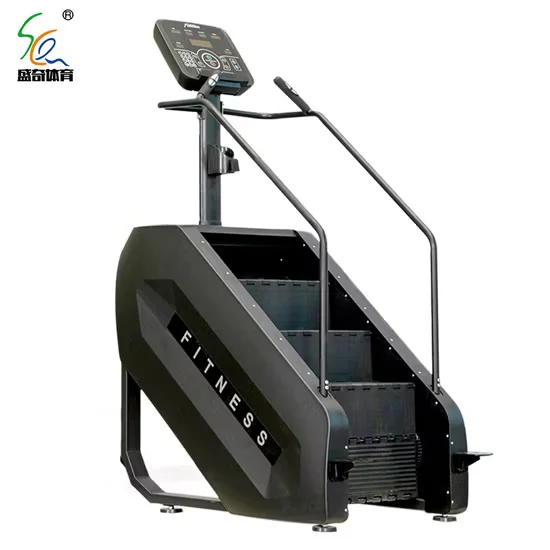
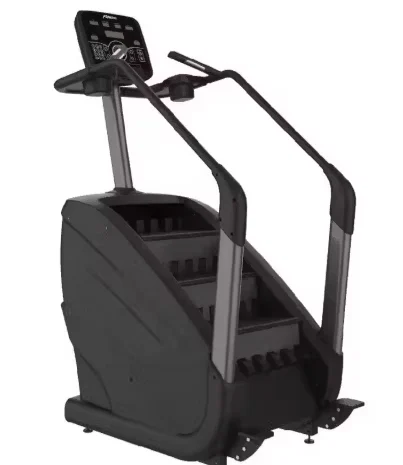
Commercial Stair Climber Machine, Motor Drive, 15–164 Steps/Min — steel pipe frame construction ensures torsional rigidity under repetitive loading, while the motor-driven system delivers consistent resistance without belt-slip degradation across the full speed range. Step platforms (560×235×220mm) provide stable footing, and the console tracks time, calories, steps, and heart rate for member engagement. Every unit undergoes load testing before shipment, backed by a 10-year frame warranty and factory-direct pricing.
// Spec Highlights
• Direct from Manufacturer · No Middlemen · Worldwide Shipping
01
// Material
Imported Solid Wood
Premium hardwood frames sourced for density and visual warmth.
02
// Hardware
Medical-Grade Silent
Whisper-quiet pulleys and springs for clinical environments.
03
// Customization
Appearance OEM
Color, upholstery, and branding tailored to your studio.
04
// Service
Layout Design
Free venue planning for studios and rehab institutions.
Every component is selected for longevity, performance, and aesthetic harmony - from imported hardwood frames to silent medical-grade accessories.
// Features
Motor-Driven Drivetrain with Steel-Pipe Frame Rigidity — The commercial stair climber machine uses a motor drive system paired with a steel-pipe frame to deliver consistent stepping resistance across 15–164 steps per minute without flex or resonance under continuous daily use.
| Parameter | Value |
|---|---|
| Product Type | Commercial Stair Climber |
| Drive Type | Motor Drive |
| Power Supply | AC220V±10% / AC110V±10% |
| Step Area | 560×235×220mm |
| Running Velocity | 15–164 steps/min |
| Console Display | Time, Climb, Calories, Steps, Heart Rate |
| Product Dimensions | 1450×820×2080mm |
| Net Weight | 148kg |
| Frame Material | Steel Pipe + PP Plastic |
| Folded State | Unfolded |
| Color | Black (customizable) |
| Certification | CE |
| Facility Type | Typical Use |
|---|---|
| Commercial gym cardio zone | High-intensity interval and steady-state endurance sessions alongside treadmills and ellipticals |
| Hotel and resort fitness center | Compact-footprint climbing cardio in premium wellness environments |
| Athletic performance facility | Controlled-speed progressive lower-body conditioning and return-to-sport protocols |
| Rehabilitation center | Low-cadence stepping for structured lower-limb recovery programs |
Many units marketed as commercial-grade stair climbers rely on thin-gauge steel tubing that flexes under repetitive foot strikes, causing step wobble, drivetrain misalignment, and premature bearing wear within months of high-traffic operation. This commercial stair climber machine addresses that failure mode with a steel-pipe frame engineered for torsional rigidity across the full speed range. [NEED_CITE: structural deflection limits for repetitive-loading fitness equipment]
This commercial stair climber machine occupies the vertical-stepping plane in a cardio floor, complementing treadmills and ellipticals with a movement pattern that demands sustained lower-body extension through the hip, knee, and ankle. The 560×235mm step area accommodates a wide range of user foot sizes, while the 15–164 steps/min velocity range allows operators to serve both endurance-focused members and high-cadence interval users on a single platform. The 1450×820mm footprint fits between standard cardio stations without compromising safety clearances.
A commercial stair climber machine in a high-traffic gym endures thousands of eccentric foot-strike cycles daily, concentrating load on the step shafts, drive rollers, and frame joints. The motor drive eliminates belt-slip and chain-stretch degradation common in lower-tier units, maintaining consistent resistance without the shock loads that accelerate bearing wear. Sealed bearings on the step shafts resist contamination from dust and sweat — the primary causes of play and noise in unsealed designs. The steel-pipe frame’s torsional stiffness prevents resonance buildup at higher cadences, where thin-wall tubing would begin to oscillate. [NEED_CITE: fatigue performance of welded steel joints under cyclic loading in fitness equipment]
The steel-pipe frame on this commercial stair climber machine provides the cross-sectional rigidity needed to resist lateral deflection when users apply asymmetric foot pressure during high-cadence stepping. The motor drive system’s continuous-duty rating determines whether the unit can sustain 8+ hours of daily operation without thermal shutdown — a specification that separates commercial-grade from light-commercial designs. Step platform dimensions of 560×235×220mm are engineered for full-foot contact, reducing ankle instability that narrower platforms create for taller users. The console’s integration of heart rate monitoring alongside step count and calorie data gives facility operators actionable usage metrics for scheduling preventive maintenance.
Facilities that specify stair climbers with thin-wall frames and unsealed drivetrain components face a predictable sequence: step wobble appears within months, bearing play generates noise complaints, and drive degradation forces speed inconsistency that members notice immediately. Non-sealed bearings in a high-traffic cardio zone attract sweat and dust contamination, requiring replacement far sooner than sealed designs. The commercial stair climber machine’s steel-pipe construction and motor-grade drivetrain avoid these failure cycles, reducing unplanned downtime and parts replacement costs over the equipment’s service life. [NEED_CITE: bearing seal classification and contamination resistance in commercial fitness environments]
The commercial stair climber machine is manufactured in a vertically integrated facility with 17 years of commercial fitness equipment production, where every unit undergoes individual load testing before shipment — not sample-based inspection. The steel-pipe frame and motor drive system are engineered for the structural demands of high-traffic cardio zones, and the 1450×820mm footprint is validated through 2D-3D CAD floor planning to ensure proper safety clearances between stations. Customization options for frame color and console branding allow the unit to integrate with branded facility environments, while CE certification confirms compliance with European safety standards.
Provide your facility’s cardio zone floor area and existing equipment list to receive a 2D-3D layout plan that positions this commercial stair climber machine with proper safety clearances and traffic flow. Specify your expected daily usage hours so the drivetrain and bearing specifications can be validated against your operational intensity. Indicate any customization requirements for frame color or console branding to align the unit with your facility’s visual identity.
Q: How does a commercial stair climber machine differ from light-commercial or home-grade models structurally?
A: The primary differences lie in frame steel gauge and construction, motor duty cycle rating, and bearing specification. Commercial units use heavier steel-pipe frames that resist torsional flex under repetitive loading, motor drives rated for continuous multi-hour operation without thermal degradation, and sealed bearings that withstand dust and sweat contamination over extended service life.
Q: What motor drive specifications should I verify for continuous gym operation?
A: Request the motor’s continuous duty rating and thermal protection class to confirm it can sustain 8+ hours of daily use without overheating. Overload protection circuitry is essential to prevent drivetrain damage during peak usage. The motor should deliver consistent torque across the full 15–164 steps/min range without belt-slip or speed fluctuation under varying user loads.
Q: How should I plan floor space and safety clearances around this stair climber?
A: The 1450×820mm footprint requires adequate clearance on all sides for safe mounting and dismounting, plus rear access for maintenance. Position the unit within the cardio zone’s traffic flow pattern, ensuring users can approach and exit without crossing other members’ workout paths. A 2D-3D CAD layout plan accounts for these clearances relative to adjacent equipment.
Q: What maintenance intervals are recommended for the drive system and console electronics?
A: Sealed step shaft bearings and drive rollers should be inspected at regular intervals for play or contamination. The motor drive requires thermal performance monitoring during peak hours. Console sensors for heart rate and step counting should be calibrated periodically to maintain data accuracy. Frame and step surfaces need routine cleaning to prevent sweat-related corrosion.
Q: Can the frame color and console be customized for a branded gym environment?
A: The frame color is customizable beyond the standard black finish, and console branding options are available to match your facility’s visual identity. Customization is coordinated during the specification phase to ensure structural and electronic compatibility. Provide your color and branding requirements when requesting a layout plan and quotation.
Premium aesthetics meet quiet operation for boutique studio environments.
Medical-grade silence and precision for sports & postpartum recovery.
Furniture-grade craftsmanship for premium residential installations.
Compact premium setups for one-on-one and small-group training.
Aesthetic Pilates integration for hybrid wellness studio programming.
Multi-unit deployment with instructor-grade reliability for certification programs.
Tell us about your project. Our team will respond within 24 hours with pricing, customization options, and shipping details.
// Sales Director
William
+86 132 2531 1800
// Export Manager
Bella
+86 198 5412 8032
william@bickfit.com