01 / Scenario
STUDIO
P
High-End Pilates Studios
Premium aesthetics meet quiet operation for boutique studio environments.
ISO
9001
CE
Certified
OEM
Available
10YR
Warranty
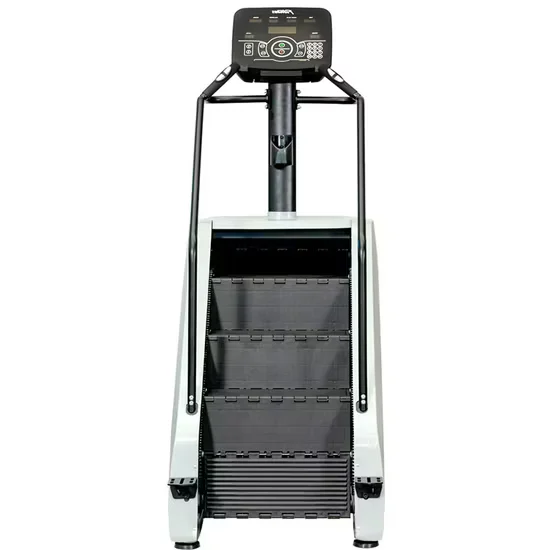
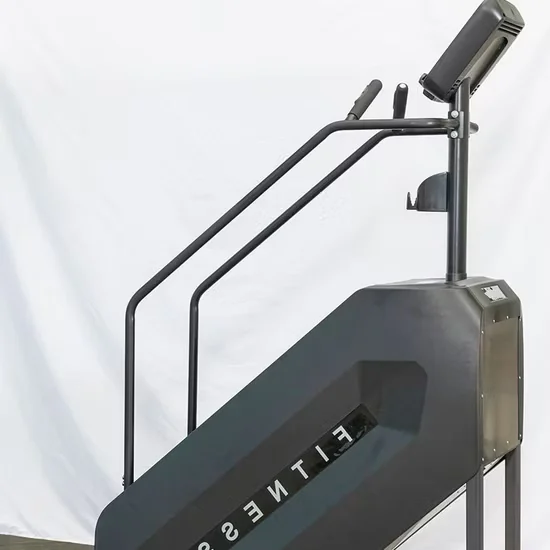
Commercial Stair Climber, Motor Drive, 15–164 Steps/Min — engineered with industrial steel pipe frame and PP plastic step surfaces for continuous high-traffic operation. Variable speed control and 560x235x220mm step area support full-foot climbing mechanics under sustained daily use. CE certified with unit-level load testing before shipment for verified structural integrity.
// Spec Highlights
• Direct from Manufacturer · No Middlemen · Worldwide Shipping
01
// Material
Imported Solid Wood
Premium hardwood frames sourced for density and visual warmth.
02
// Hardware
Medical-Grade Silent
Whisper-quiet pulleys and springs for clinical environments.
03
// Customization
Appearance OEM
Color, upholstery, and branding tailored to your studio.
04
// Service
Layout Design
Free venue planning for studios and rehab institutions.
Every component is selected for longevity, performance, and aesthetic harmony - from imported hardwood frames to silent medical-grade accessories.
// Features
Motor-Driven Frame Built for Continuous Commercial Duty — Steel pipe construction with motor drive system engineered for high-repetition daily operation across 15 to 164 steps per minute.
| Parameter | Value |
|---|---|
| Product Type | Commercial Stair Climber |
| Product Dimensions | 1450 × 820 × 2080 mm |
| Net Weight | 148 kg |
| Step Area | 560 × 235 × 220 mm |
| Mains Input | AC220V±10% / AC110V±10% |
| Type of Drive | Motor Drive |
| Running Velocity | 15 – 164 steps/min |
| OSD Display | Time, Climb, Calories, Steps, Heart Rate |
| Material | Steel Pipe + PP Plastic |
| Color | Black |
| Certification | CE |
| Facility Type | Typical Use |
|---|---|
| Commercial gym cardio zone | Primary stair climbing station for high-traffic member use |
| Hotel and resort fitness center | Reliable guest-facing cardio equipment for daily operation |
| University athletic facility | High-volume student traffic during peak training hours |
| High-traffic fitness studio | Supplemental climbing machine for circuit and conditioning classes |
Many units marketed as commercial stair climbing equipment use lightweight frames that flex under continuous loading, causing step mechanism misalignment and premature bearing wear.
Structural rigidity begins with steel pipe gauge and joint integrity.
Operators report wobble developing within months when frame tubes lack adequate wall thickness for the eccentric forces generated during stair climbing motion. Welded joints at stress concentration points — particularly where the frame meets the step assembly — become failure points when spot welding replaces continuous welds. The commercial stair climber machine for gym training environments must withstand thousands of loading cycles daily without frame deflection compromising step alignment. [NEED_CITE: structural fatigue performance in welded steel frames under cyclic loading]
This motor-driven climbing unit occupies the high-intensity cardio segment, complementing treadmills and rowers by targeting lower-body muscular endurance through sustained vertical stepping motion. The 560 × 235 mm step area accommodates full foot placement for users across a range of statures, while the 1450 × 820 mm footprint requires adequate side clearance for safe mounting and dismounting. In commercial gym cardio zones operating eight or more hours daily, the commercial stair climber machine for gym training serves members seeking climbing-specific conditioning without outdoor terrain access.
Stair climbing generates repetitive eccentric loading as users descend each step, creating downward forces that concentrate at the frame-to-step junction and motor mount points. The motor drive system must maintain consistent torque output across the full 15 to 164 steps/min velocity range without overheating during extended commercial duty cycles. Sealed bearing interfaces at step roller points resist dust and moisture infiltration from sweat and cleaning chemicals, while unsealed alternatives develop play that translates to step wobble and user instability. The PP plastic step surfaces bonded to steel reinforcement must resist surface degradation from footwear friction and disinfectant exposure over thousands of operating hours. [NEED_CITE: bearing seal effectiveness in high-humidity fitness equipment environments]
The steel pipe frame provides the primary load path for user weight and dynamic stepping forces — adequate wall thickness and tube diameter determine whether the frame resists deflection or gradually deforms under repetitive loading. Motor drive systems rated for continuous commercial duty maintain thermal stability during extended operation, whereas intermittent-duty motors experience insulation breakdown and premature failure when subjected to eight-hour daily cycles. The step area dimensions of 560 × 235 × 220 mm accommodate natural foot placement mechanics, reducing lateral foot shift that creates uneven bearing wear. PP plastic step surfaces offer grip and wear resistance while the underlying steel reinforcement prevents cracking under concentrated heel impact. The 148 kg net weight reflects material mass sufficient to anchor the unit during vigorous use without requiring permanent floor attachment in most installations.
Frame tubes specified only as commercial grade without verifiable gauge documentation allow manufacturers to reduce material cost while shifting deformation risk to the operator. When step mechanism bearings develop play from inadequate sealing, maintenance teams face repeated service calls and eventual bearing replacement — costs that compound across a fleet of machines. Thin powder coating chips at contact points where users grip the frame, exposing bare steel to sweat corrosion that spreads beneath the coating surface. Non-standard motor components create dependency on single-source suppliers, leaving facilities unable to source replacement drives when original manufacturers discontinue support. The commercial stair climber machine for gym training must justify its capital cost through operational longevity, not through replacement cycles driven by structural shortcuts. [NEED_CITE: total cost of ownership analysis for commercial cardio equipment]
The steel pipe frame construction uses mill-certified materials traceable to production coil, providing documentation that frame gauge matches specification rather than marketing claim. Motor drive components undergo load testing on every unit before shipment, verifying operational performance across the full velocity range rather than sampling production batches. The 200μm powder coating applied after sandblast surface preparation resists chipping and corrosion in high-traffic environments where equipment contacts sweat and cleaning agents daily. BICKFIT provides 2D-3D CAD layout support for cardio zone planning, ensuring the 1450 × 820 × 2080 mm footprint integrates with safe clearance distances and traffic flow patterns. The CE certification confirms compliance with European safety standards for stationary training equipment, while the 10-year frame warranty reflects confidence in structural integrity under commercial operating conditions.
Provide cardio zone dimensions and existing equipment inventory to receive 2D-3D layout planning that optimizes traffic flow and safety clearance around the commercial stair climber machine for gym training installation. Specify expected daily usage hours and user volume to confirm motor drive system matches your operational intensity requirements. Indicate customization needs including frame color options and facility branding integration for cohesive equipment presentation.
Q: How does motor drive compare to self-powered stair climbing systems?
A: Motor drive systems maintain consistent step velocity regardless of user weight or effort level, providing predictable training intensity across the 15 to 164 steps/min range. Self-powered units require user effort to initiate and maintain step movement, creating variable resistance that suits interval training but lacks the steady-state consistency preferred for endurance conditioning. Motor drive requires electrical connection and periodic belt maintenance, while self-powered systems eliminate electrical dependency but demand more frequent user effort to overcome initial inertia.
Q: What frame specifications indicate true commercial durability?
A: Commercial stair climbing equipment requires steel pipe frames with verifiable wall thickness documentation rather than vague commercial grade claims. Look for mill-certified material specifications, continuous welded joints at stress concentration points, and frame weight sufficient to anchor the unit during vigorous use. The 148 kg net weight of this unit reflects material mass that resists flex under repetitive loading, while powder coating thickness and surface preparation determine long-term corrosion resistance in high-traffic environments.
Q: What maintenance intervals apply to high-traffic stair climbers?
A: Motor drive belts require tension inspection monthly and replacement when cracking or glazing appears from heat exposure during extended operation. Step roller bearings need lubrication quarterly to prevent play development from dust and moisture infiltration, while sealed bearing designs extend service intervals by resisting contaminant entry. Frame weld joints at step assembly junctions should be inspected quarterly for stress indicators, and step surfaces require regular cleaning with non-abrasive disinfectants to maintain grip texture and appearance.
Q: How much clearance space does installation require?
A: The 1450 × 820 × 2080 mm footprint requires minimum 600 mm side clearance for safe user mounting and dismounting, plus rear access space for motor drive maintenance and belt service. Total installation area should accommodate user approach paths without creating traffic conflicts with adjacent cardio equipment. Floor surface must be level within 3 mm across the unit footprint to prevent frame stress from uneven loading and ensure step mechanism alignment remains consistent during operation.
Premium aesthetics meet quiet operation for boutique studio environments.
Medical-grade silence and precision for sports & postpartum recovery.
Furniture-grade craftsmanship for premium residential installations.
Compact premium setups for one-on-one and small-group training.
Aesthetic Pilates integration for hybrid wellness studio programming.
Multi-unit deployment with instructor-grade reliability for certification programs.
Tell us about your project. Our team will respond within 24 hours with pricing, customization options, and shipping details.
// Sales Director
William
+86 132 2531 1800
// Export Manager
Bella
+86 198 5412 8032
william@bickfit.com