
01 / Scenario
STUDIO
P
High-End Pilates Studios
Premium aesthetics meet quiet operation for boutique studio environments.
ISO
9001
CE
Certified
OEM
Available
10YR
Warranty
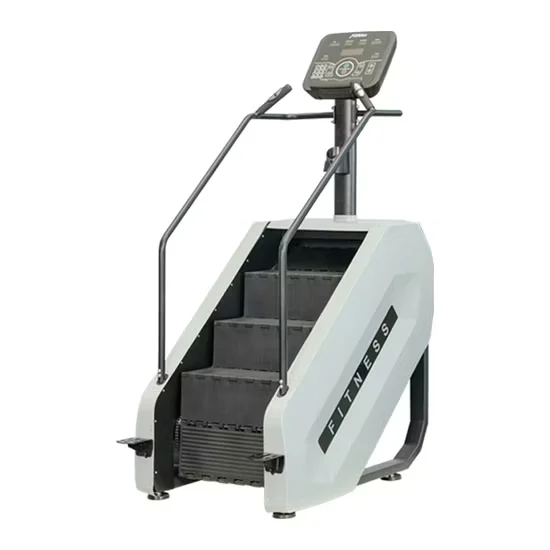
SQ1017 Commercial Stair Climber, Motor Drive, 15–164 Steps/min, 148 kg Net Weight — steel pipe frame with PP plastic step pads ensures structural rigidity under continuous cycling; integrated console displays time, steps, calories, and heart rate for real-time user feedback. Every unit undergoes per-step functional testing before shipment to verify drive consistency and sensor accuracy.
// Spec Highlights
• Direct from Manufacturer · No Middlemen · Worldwide Shipping
01
// Material
Imported Solid Wood
Premium hardwood frames sourced for density and visual warmth.
02
// Hardware
Medical-Grade Silent
Whisper-quiet pulleys and springs for clinical environments.
03
// Customization
Appearance OEM
Color, upholstery, and branding tailored to your studio.
04
// Service
Layout Design
Free venue planning for studios and rehab institutions.
Every component is selected for longevity, performance, and aesthetic harmony - from imported hardwood frames to silent medical-grade accessories.
// Features
Steel-Pipe Rigidity — Motor-driven step mechanism mounted on a steel-pipe frame engineered to resist flex under continuous commercial climbing loads.
| Parameter | Value |
|---|---|
| Designation | SQ1017 |
| Product Type | Commercial Stair Climber |
| Function | Electric |
| Type of Drive | Motor Drive |
| Mains Input | AC220V±10% / AC110V±10% |
| Running Velocity | 15 steps/min – 164 steps/min |
| Step Area | 560×235×220mm |
| OSD Metrics | Time, Climb, Calories, Steps, Heart Rate |
| Material | Steel Pipe + PP Plastic |
| Product Dimensions | 1450×820×2080mm |
| Net Weight | 148 kg |
| Folded | Unfolded |
| Color | Black |
| Certification | CE |
| Facility Type | Typical Use |
|---|---|
| Commercial gymnasium cardio zone | High-volume member climbing sessions during peak hours |
| Hotel and resort fitness center | Low-maintenance cardio equipment for guest use |
| University strength and conditioning room | Conditioning circuits and athlete endurance programs |
| Rehabilitation and performance center | Low-impact cardiovascular training under supervision |
A motor-driven commercial stair climber machine lives or dies by its frame steel gauge and joint construction.
I have watched cardio machines that looked solid on the showroom floor develop visible frame flex within months once they hit a real gym floor running eight-plus hours daily. The issue is rarely the motor — it is the tubing wall thickness and the way joints are welded that determine whether the chassis stays square or begins to rattle, shift, and eventually crack under thousands of repetitive loading cycles each week [NEED_CITE: EN 957 structural requirements for stationary training equipment]. When procurement specs only say "commercial grade" without naming the gauge, you are buying blind.
The SQ1017 occupies the endurance conditioning slot in a gym cardio zone, complementing treadmills and ellipticals by loading the lower body through a vertical climbing pattern that targets quadriceps, glutes, and calves with minimal joint impact. It suits facilities running high member throughput where a commercial stair climber machine must handle back-to-back users without cooldown periods. The step area dimensions accommodate a broad range of user foot sizes, and the velocity range from 15 to 164 steps per minute covers steady-state climbing through high-intensity intervals.
Every footfall on a stair climber sends an impact pulse through the step mechanism, into the drive shaft bearings, and down through the frame welds. In a busy commercial gym, a single unit may see hundreds of these loading cycles per day, each one concentrating stress at the junctions where step arms meet the main chassis and where the motor mount connects to the frame [NEED_CITE: weld classification and fatigue performance in structural steel]. Unsealed bearings in these high-cycle pivot points draw in dust, sweat residue, and cleaning chemical aerosol, developing play that manifests as knocking noises and uneven step travel. The powder coating at contact zones also faces constant abrasion from shoes and exposure to corrosive sweat, making film thickness and pre-treatment quality critical to preventing early rust.
The motor-driven system in the SQ1017 provides a step cadence range from 15 to 164 steps per minute, which matters because a broader range lets one machine serve both rehabilitation users at low cadence and athletes doing high-intensity intervals. Steel pipe construction paired with PP plastic components keeps the overall net weight at 148 kg — heavy enough to stay planted during aggressive climbing without requiring floor anchoring. The step area of 560×235×220mm provides sufficient surface for secure foot placement across user sizes, while the unfolded product dimensions of 1450×820×2080mm define the floor footprint and overhead clearance that facility planners must account for when laying out cardio zones.
When manufacturers reduce costs by installing unsealed bushings instead of proper bearings in the step mechanism, the result is predictable: within months of high-traffic use, lateral play develops, step travel becomes uneven, and the unit generates noise complaints that pull staff away from the floor for repeated adjustments. Thin powder coating at high-contact zones chips under shoe abrasion, exposing bare steel to sweat and humidity that accelerate corrosion — a cosmetic problem that quickly becomes structural. Thin-gauge frame tubing that flexes under heavier users does not just feel unstable; it transfers additional bending stress to welded joints that were never designed for that deflection range, shortening service life across the entire chassis [NEED_CITE: fatigue failure modes in welded tubular steel structures].
The SQ1017 benefits from the same structural philosophy applied across our entire lineup: frame steel sourced with mill certification traceable to the coil, robotic MIG welding producing continuous weld lines without spot-weld weak points, and per-unit load testing before any machine leaves the factory. The 200μm industrial powder coating protects high-contact frame zones from sweat and cleaning chemicals that degrade lesser finishes. For the SQ1017 specifically, its 1450×820mm footprint and 2080mm height require precise clearance planning to maintain safe traffic flow in a cardio zone — a factor addressed through 2D-3D CAD layout support that positions each unit with verified safety margins between adjacent machines.
Provide your cardio zone floor area and existing equipment list to receive a 2D-3D layout that positions the SQ1017 within verified safety clearances. Specify your average daily user volume so we can confirm whether the motor drive duty cycle matches your operational demands. If you require custom frame color or console branding to match your facility identity, OEM private label options are available.
Q: How do you distinguish a commercial stair climber from a light-commercial or home model?
A: The difference shows in frame steel gauge documentation, motor duty cycle rating, and bearing specifications. Home models use thinner tubing and intermittent-duty motors that overheat under continuous use. A true commercial unit provides mill-certified steel specs, a motor rated for sustained daily operation, and sealed bearings designed to withstand high-traffic gym environments without developing play within the first year.
Q: What frame construction method ensures long-term structural stability in a stair climber?
A: Continuous MIG welding at all frame joints prevents the stress concentration points that spot welds create under repetitive climbing loads. Frame tube wall thickness and cross-section dimensions determine how much deflection occurs under heavier users. Manufacturers who provide verifiable steel gauge data — rather than vague "commercial grade" claims — give you the information needed to assess whether the frame will hold alignment over years of daily use.
Q: Motor drive versus self-powered stair climbers: what are the maintenance trade-offs?
A: Motor-driven climbers like the SQ1017 offer a wider and more precise speed range, accommodating everything from rehabilitation pacing to high-intensity intervals, but they require periodic drive belt inspection and motor servicing. Self-powered units eliminate motor maintenance but typically offer a narrower cadence range and place more resistance demand on the user at startup. The choice depends on your member demographic and whether your programming requires controlled, consistent step rates.
Q: What step mechanism bearing type should I expect in a high-traffic commercial stair climber?
A: Sealed industrial bearings are essential for step mechanism pivot points that endure hundreds of loading cycles daily. Unsealed bushings or open bearings draw in dust, sweat residue, and cleaning chemical aerosol, developing lateral play that causes uneven step travel and noise. Verify that the manufacturer specifies sealed bearing types and provides replacement availability, as this directly determines your maintenance intervals and operational noise levels over the equipment lifespan.
Premium aesthetics meet quiet operation for boutique studio environments.
Medical-grade silence and precision for sports & postpartum recovery.
Furniture-grade craftsmanship for premium residential installations.
Compact premium setups for one-on-one and small-group training.
Aesthetic Pilates integration for hybrid wellness studio programming.
Multi-unit deployment with instructor-grade reliability for certification programs.
Tell us about your project. Our team will respond within 24 hours with pricing, customization options, and shipping details.
// Sales Director
William
+86 132 2531 1800
// Export Manager
Bella
+86 198 5412 8032
william@bickfit.com


