01 / Scenario
STUDIO
P
High-End Pilates Studios
Premium aesthetics meet quiet operation for boutique studio environments.
ISO
9001
CE
Certified
OEM
Available
10YR
Warranty
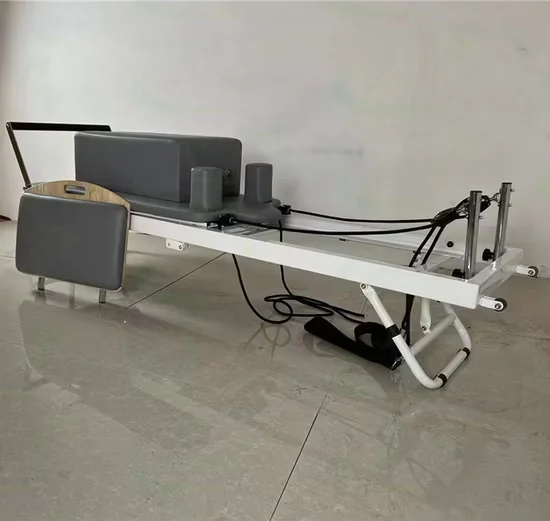
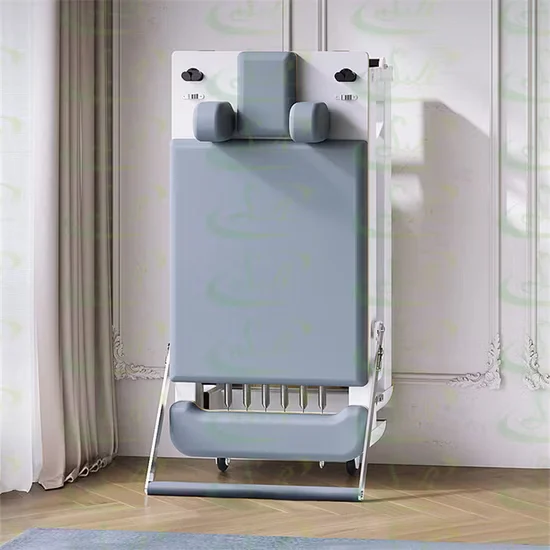
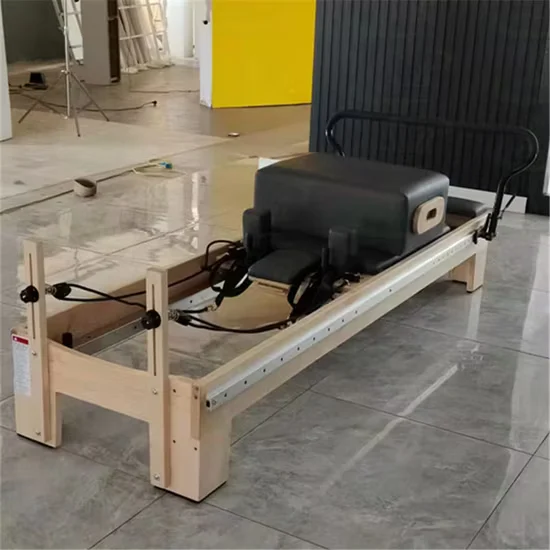
Pilates Reformer, Solid Wood Frame, 2460×730×680 mm Dimensions — engineered with sealed bearing pulleys and reinforced carriage rail system for zero-wobble travel under continuous studio use. Includes long box, jump board, and platform accessories with commercial-grade vinyl upholstery rated for 8+ hours daily operation. Backed by 3-year frame warranty and full custom branding capabilities from a manufacturer with 17 years of heritage and 500+ commercial gyms equipped.
// Spec Highlights
• Direct from Manufacturer · No Middlemen · Worldwide Shipping
01
// Material
Imported Solid Wood
Premium hardwood frames sourced for density and visual warmth.
02
// Hardware
Medical-Grade Silent
Whisper-quiet pulleys and springs for clinical environments.
03
// Customization
Appearance OEM
Color, upholstery, and branding tailored to your studio.
04
// Service
Layout Design
Free venue planning for studios and rehab institutions.
Every component is selected for longevity, performance, and aesthetic harmony - from imported hardwood frames to silent medical-grade accessories.
// Features
Continuous MIG Welding — Every joint on our Studio Body Core Pilates Reformer is robotically welded with continuous bead passes, eliminating the spot-weld failures that plague high-cycle studio environments.
| Parameter | Value |
|---|---|
| Product Type | Pilates Reformer |
| Frame Material | Solid Hardwood |
| Frame Construction | Reinforced Carriage Rail System |
| Carriage Wheel Bearing | Sealed Industrial Bearings |
| Spring System | Corrosion-Resistant Anchor Hardware |
| Upholstery | Commercial-Grade Vinyl, Double-Stitched Seams |
| Accessories | Long Box / Jump Board / Platform |
| Product Dimensions | 2460×730×680 mm |
| Net Weight | 100 kg |
| Customization | Available |
| Logo | Customized Is Allowed |
| Warranty | 3 Years |
| Production Capacity | 80 Pieces/Month |
| Facility Type | Typical Use |
|---|---|
| Commercial Pilates Studio | Daily group reformer classes with back-to-back scheduling |
| Boutique Fitness Studio | Hybrid strength-and-reformer sessions in limited floor space |
| Rehabilitation and Physical Therapy Center | Controlled loading protocols for post-injury recovery |
| Hotel and Resort Wellness Suite | Guest-accessible core training with minimal supervision |
| Personal Training Studio | One-on-one instruction with accessory integration |
Solid hardwood frames hold rail alignment under thousands of daily carriage cycles where composite laminates drift and delaminate.
Most studio-grade reformers on the market use engineered wood composites or hollow-core laminated frames to cut material costs. In a commercial pilates reformer wood studio body core training equipment environment running eight or more hours daily, those composite frames absorb moisture from sweat and cleaning chemicals, gradually warping the carriage rail channels. Once the rail tolerance shifts, the carriage develops lateral play — students feel the wobble, instructors lose confidence in cueing precision, and studio owners face warranty claims the manufacturer blames on "environmental conditions." We specify solid hardwood with machined rail channels because dimensional stability under cyclic loading is non-negotiable in a studio that books classes at full capacity [NEED_CITE: wood frame dimensional stability under cyclic moisture and load exposure].
The Studio Body Core Pilates Reformer covers the full spectrum of supine, prone, and seated movement patterns, targeting core stabilization, hip and shoulder girdle strength, and spinal articulation. In a commercial floor layout, it pairs with Cadillac or tower units for progressive resistance work and with Wunda chairs for seated balance challenges. Studios running high-density class schedules benefit from its standardized footprint, which allows consistent spacing across bays. The platform and jump board accessories extend its utility into plyometric and standing balance work, accommodating users across a wide range of body sizes and training backgrounds. This commercial pilates reformer wood studio body core training equipment fits studios serving both group class formats and private instruction.
Every reformer session generates hundreds of carriage transitions — accelerations, decelerations, and directional reversals that concentrate stress at the rail-to-frame interface and the spring anchor points. In high-traffic studios, the cumulative fatigue load on spring attachment hardware is substantial; corrosion-resistant anchors prevent the micro-cracking that leads to sudden detachment under tension. Sealed industrial bearings on the carriage wheels resist ingress of chalk dust, sweat residue, and cleaning solvents that degrade open bushings within months. The vinyl upholstery endures repetitive compression and friction at the shoulder block and headrest contact zones, where double-stitched seam construction prevents the split-line failures that take reformers out of rotation. Coating and finish on the wooden frame must tolerate daily chemical cleaning without degrading the surface or allowing moisture penetration into the grain [NEED_CITE: fatigue performance of spring anchor hardware in high-cycle fitness equipment].
Frame material density directly governs long-term rail alignment — solid hardwood maintains machined tolerances where laminated composites compress and drift under sustained carriage loading. Carriage wheel bearing selection is the single largest determinant of maintenance frequency: sealed industrial bearings run maintenance-free for years, while open bushings require regular cleaning and re-lubrication to prevent rail scoring. Spring system hardware deserves scrutiny beyond coil count; the anchor plate thickness and fastener grade determine whether attachment points survive thousands of engagement cycles without fatigue cracking. Upholstery density and seam construction define replacement intervals — commercial-grade vinyl with reinforced stitching withstands the compression cycles of back-to-back classes far longer than residential-grade materials. These four parameters separate reformers that remain in daily rotation from those that accumulate maintenance tickets within the first year.
Thin or composite frames save material cost upfront but introduce rail misalignment that accelerates carriage wheel wear and generates student complaints about uneven resistance. Unsealed bushing-type wheels require scheduled maintenance that pulls reformers off the floor during business hours — a hidden labor cost that compounds across a fleet. Low-density upholstery foam compresses permanently within months, forcing studios to either replace pads or accept the degraded student experience that drives attrition. Non-standard spring hardware and proprietary fasteners mean that when an anchor fails, the entire spring assembly may need replacement from a single supplier at their timeline and pricing. These commercial pilates reformer wood studio body core training equipment cost shortcuts surface as operational expenses long after the purchase order closes [NEED_CITE: total cost of ownership comparison for commercial fitness equipment maintenance].
Our frame sourcing traces solid hardwood stock to verified mills, ensuring grain density and moisture content meet structural specifications before machining begins. Robotic continuous MIG welding is applied to all metal-to-metal joints — spring anchors, rail brackets, and accessory mounts — because spot welds crack under the cyclic tension of reformer spring systems. Every unit undergoes load testing before crating, not sample-based batch testing that leaves individual unit performance unverified. The 200μm industrial powder coating on all metal hardware resists corrosion from sweat exposure and chemical cleaners over years of studio use. Our 3-year frame warranty is backed by a 17-year manufacturing heritage and verified by SGS factory audit, and we provide 2D-3D CAD layout support to ensure proper spacing between reformer bays for safe instructor circulation and student entry. OEM custom branding, color options, and upholstery selection are available for studio identity alignment.
Share your studio floor dimensions and current equipment list to receive a 2D-3D layout plan with proper reformer bay spacing and circulation paths. Specify your daily class schedule volume so we can confirm the structural grade matches your operational intensity. Provide your student demographic profile to verify the accessory configuration and upholstery selection fit your use case. Detail any custom branding, frame finish, or color requirements for studio identity alignment.
Q: How do I distinguish a commercial-grade Pilates reformer from a light-commercial one?
A: Commercial-grade reformers use solid hardwood frames with machined rail channels, sealed industrial bearings on carriage wheels, and corrosion-resistant spring anchor hardware. Light-commercial units typically feature composite frames, open bushings, and residential-grade upholstery that degrades under daily class scheduling. Request material certifications and bearing specifications before purchasing to verify the unit can withstand your studio’s daily session volume.
Q: Why does solid hardwood outperform engineered composite for reformer frames?
A: Solid hardwood maintains dimensional stability under the moisture and temperature fluctuations of a working studio, preserving rail alignment over years of use. Engineered composites absorb ambient moisture and cleaning chemicals, gradually warping the carriage channels and introducing lateral play. For commercial pilates reformer wood studio body core training equipment applications, frame stability directly determines carriage smoothness and student experience quality.
Q: What is the maintenance difference between sealed bearings and bushing-type carriage wheels?
A: Sealed industrial bearings run maintenance-free throughout their service life, keeping contaminants out and lubrication intact. Open bushings accumulate chalk dust, sweat residue, and cleaning solvent over time, requiring periodic disassembly and re-lubrication. In a studio running multiple daily classes, bushing maintenance means pulling reformers off the floor during revenue hours, creating scheduling disruptions and hidden labor costs.
Q: Can I customize the branding and finish to match my studio identity?
A: Yes, we offer custom logo application, frame finish options, and upholstery color selection to align with your studio’s visual identity. OEM private label production is available for studio chains and distributors building their own branded equipment lines. Share your brand guidelines and color specifications during the inquiry stage so we can confirm production feasibility and lead times.
Q: How do the long box, jump board, and platform accessories integrate with the reformer?
A: Each accessory mounts to standardized attachment points on the reformer frame, allowing quick transitions between class segments without tools. The long box extends the carriage surface for supine and prone exercises, the jump board converts the footbar into a plyometric platform, and the standing platform enables balance and lateral movement work. Storage solutions should be planned during layout to keep accessories accessible between sessions.
Premium aesthetics meet quiet operation for boutique studio environments.
Medical-grade silence and precision for sports & postpartum recovery.
Furniture-grade craftsmanship for premium residential installations.
Compact premium setups for one-on-one and small-group training.
Aesthetic Pilates integration for hybrid wellness studio programming.
Multi-unit deployment with instructor-grade reliability for certification programs.
Tell us about your project. Our team will respond within 24 hours with pricing, customization options, and shipping details.
// Sales Director
William
+86 132 2531 1800
// Export Manager
Bella
+86 198 5412 8032
william@bickfit.com