01 / Scenario
STUDIO
P
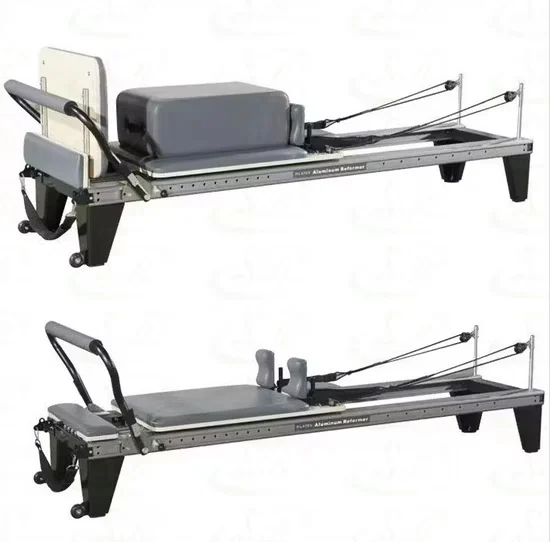
High-End Pilates Studios
Premium aesthetics meet quiet operation for boutique studio environments.

ISO
9001
CE
Certified
OEM
Available
10YR
Warranty
EVA Foam Yoga Block, 23×15×7.5cm, 0.5kg, 8cm Thickness — high-density closed-cell foam core resists compression and moisture absorption during daily studio use; soft non-slip surface texture maintains grip stability for weight-bearing poses. Available in solid color options with custom logo printing for branded studio environments. Every batch undergoes dimensional tolerance verification and compression testing to ensure consistent support across production lots.
Each unit is inspected for surface durability and dimensional consistency before shipment, backed by full OEM-ODM capability for private label programs.
// Spec Highlights
• Direct from Manufacturer · No Middlemen · Worldwide Shipping
01
// Material
Imported Solid Wood
Premium hardwood frames sourced for density and visual warmth.
02
// Hardware
Medical-Grade Silent
Whisper-quiet pulleys and springs for clinical environments.
03
// Customization
Appearance OEM
Color, upholstery, and branding tailored to your studio.
04
// Service
Layout Design
Free venue planning for studios and rehab institutions.
Every component is selected for longevity, performance, and aesthetic harmony - from imported hardwood frames to silent medical-grade accessories.
// Features
Density Verified Per Batch — every foam block ships with a documented compression test confirming the core resists permanent deformation under repeated studio loading.
| Parameter | Value |
|---|---|
| Product Type | Yoga Block |
| Material | EVA Foam |
| Surface | Soft Non-Slip |
| Color | Solid Color |
| Thickness | 8cm |
| Length | 23cm |
| Specification | 23×15×7.5cm |
| Weight | 0.5kgs |
| Logo | Customized Is Allowed |
| Target User | Adult / Women |
| Facility Type | Typical Use |
|---|---|
| Commercial yoga and Pilates studios | Daily class rotation, balance and alignment support |
| Hotel and resort fitness centers | Guest-access wellness rooms and group sessions |
| Rehabilitation and physical therapy clinics | Assisted stretching and postural correction |
| University athletic training rooms | Flexibility warm-up stations for team conditioning |
| Functional training facility recovery zones | Cool-down and mobility work areas |
High-density EVA foam cores hold their shape across thousands of compression cycles, while low-density variants flatten within weeks of daily class use.
I once watched a gym chain pull an entire order of lightweight retail blocks off their studio floor after hot-yoga members reported the surfaces turning slick and the edges rounding over. The foam had absorbed sweat, lost its structural memory, and created a slip hazard during weight-bearing poses. That failure had nothing to do with the material being wrong — EVA foam is the correct choice — and everything to do with the density specification never being verified before the purchase order was signed [NEED_CITE: EVA foam compression recovery standards for commercial fitness accessories]. A commercial EVA foam yoga block must carry a documented density figure and a batch-level compression test, the same way a steel frame carries a mill certificate.
A commercial EVA foam yoga block sits at the intersection of alignment support and injury prevention in any high-traffic studio environment. It complements strap stations, bolster inventories, and mat storage by filling the gap between what a practitioner’s current flexibility allows and what a given pose demands. Facilities running back-to-back classes with twenty or more participants per session need blocks stacked and ready between every mat position, which means the inventory must tolerate being dropped, stacked, wiped down with disinfectant, and reused within minutes. The form factor accommodates practitioners across a wide range of body sizes, providing stable elevation whether a hand, hip, or sacrum is the contact point.
The load profile on a studio block is deceptively punishing. During standing balance poses, the full body weight of a practitioner transfers through a single palm onto a small surface area. Over a day of consecutive classes, that concentrated load cycles dozens of times per block, and low-density foam gradually compresses without recovering overnight. The surface texture must also survive abrasive contact with bare skin, towel friction, and chemical disinfectants applied between every class. Blocks used in humid hot-yoga rooms face additional moisture exposure, which accelerates breakdown in open-cell foam structures that absorb rather than repel liquid [NEED_CITE: closed-cell foam moisture resistance in high-humidity fitness environments]. The closed-cell EVA structure in this block resists that moisture ingress, keeping the core dry and the surface grip consistent across the session schedule.
Foam density determines how much compressive force the block absorbs before reaching its deformation threshold. A higher-density EVA core distributes load more evenly across the contact surface, preventing the localized crushing that causes retail blocks to develop permanent indentations. The closed-cell structure means each microscopic air pocket is sealed, blocking sweat and cleaning solution from penetrating the interior where they would degrade the foam chemistry over time. Surface texture is engineered to balance friction coefficient against skin comfort — aggressive enough to prevent slipping during sweat-heavy holds, smooth enough to avoid abrasion on bare hands and feet. Dimensional consistency across production batches ensures that a block pulled from inventory in month six matches the height and support angle of one from the opening day order, which matters when instructors cue standardized poses across a full class.
A lower purchase price on foam blocks becomes irrelevant the moment a studio manager starts replacing them monthly. Flattened blocks create unstable support surfaces, increasing the likelihood that a practitioner loses balance during a transition. Smooth, worn surfaces introduce slip risk during weight-bearing poses, which exposes the facility to liability claims. Blocks that absorb moisture become breeding grounds for odor and bacterial growth, forcing early disposal. Non-standard sizing across production batches means replacement blocks do not stack uniformly on storage racks, wasting floor space and frustrating staff responsible for setup between classes [NEED_CITE: commercial fitness equipment replacement frequency and total cost of ownership].
The same manufacturing discipline we apply to 11-gauge steel frames extends to every accessory carrying our name. EVA foam cores are density-specified and compression-tested per batch, not assumed compliant based on a supplier’s catalog claim. Surface texture ratings are verified for grip retention under simulated sweat and repeated wiping conditions. Dimensional tolerances are checked across production lots to ensure uniform stack height and support geometry. Custom logo printing uses colorfast inks rated for repeated chemical cleaning. For facility planners configuring studio layouts, we provide CAD-compatible block storage specifications so inventory footprint integrates cleanly with mat spacing and traffic flow.
Provide your studio square footage and class capacity to receive a 2D-3D layout showing block storage positions relative to mat spacing and entry traffic flow. Specify your daily class volume and environment type — standard studio versus hot-yoga humidity — so the density grade matches your compression cycle demands. Indicate any branding requirements including logo artwork, ink colors, and placement position to confirm print method and minimum order alignment with your procurement schedule.
Q: How do I tell commercial-grade EVA foam from lightweight retail variants?
A: Commercial-grade blocks carry a stated density figure measured in kilograms per cubic meter, accompanied by compression test data from the production batch. Retail variants rarely publish this information and typically feel noticeably lighter at the same dimensions. When two blocks of identical size differ significantly in weight, the lighter one contains less material per volume and will compress faster under repeated studio use.
Q: What density range works for daily commercial studio classes?
A: Studios running multiple classes per day benefit from higher-density EVA foam that maintains structural recovery across thousands of compression cycles. The optimal range balances firm support during weight-bearing poses with enough surface compliance to remain comfortable against bare skin. Request batch-level compression test results from your supplier rather than relying on generic product descriptions.
Q: How long should EVA foam blocks last in a busy studio?
A: Service life depends on daily class volume, practitioner weight range, and cleaning protocols. Blocks in high-traffic commercial environments experience far more compression cycles and chemical exposure than home-use equivalents. Closed-cell foam structures with verified density ratings hold their shape meaningfully longer than open-cell alternatives, particularly in humid environments where moisture absorption accelerates breakdown.
Q: What custom branding options are available for studio orders?
A: Logo printing is available with colorfast inks rated for repeated disinfectant cleaning. Placement position, ink colors, and artwork format are confirmed before production begins. Minimum order requirements apply to custom-branded runs to ensure consistent print setup across the batch, and facilities should allow lead time for artwork approval before the production window opens.
Q: How should shared studio blocks be cleaned between classes?
A: Use commercially available fitness equipment disinfectants compatible with closed-cell EVA foam surfaces. Apply with a soft cloth rather than abrasive pads that degrade the non-slip texture over time. Allow blocks to air-dry before restacking to prevent trapped moisture between contact surfaces, which preserves grip performance and extends usable service life in high-rotation environments.
Premium aesthetics meet quiet operation for boutique studio environments.
Medical-grade silence and precision for sports & postpartum recovery.
Furniture-grade craftsmanship for premium residential installations.
Compact premium setups for one-on-one and small-group training.
Aesthetic Pilates integration for hybrid wellness studio programming.
Multi-unit deployment with instructor-grade reliability for certification programs.
Tell us about your project. Our team will respond within 24 hours with pricing, customization options, and shipping details.
// Sales Director
William
+86 132 2531 1800
// Export Manager
Bella
+86 198 5412 8032
william@bickfit.com