01 / Scenario
STUDIO
P
High-End Pilates Studios
Premium aesthetics meet quiet operation for boutique studio environments.
ISO
9001
CE
Certified
OEM
Available
10YR
Warranty
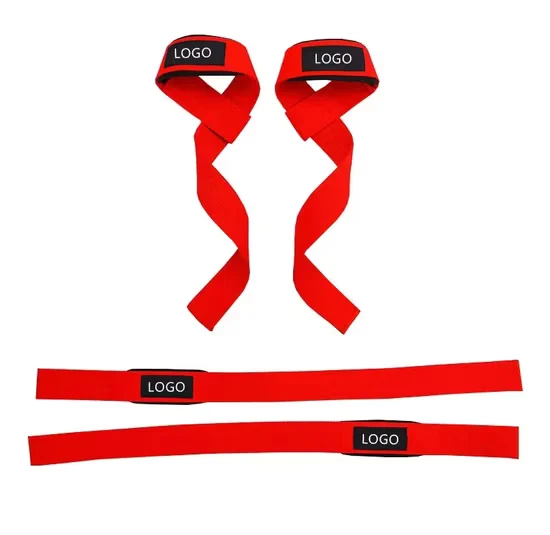
Weight Lifting Straps, 56×3.8 cm, Neoprene-Padded — industrial-grade neoprene cushioning with reinforced stitching at stress points for high-rep commercial use. Cotton/nylon webbing rated for heavy pulls, custom logo and color available with 50-piece MOQ. Every batch undergoes tensile testing and seam inspection before shipment.
// Spec Highlights
• Direct from Manufacturer · No Middlemen · Worldwide Shipping
01
// Material
Imported Solid Wood
Premium hardwood frames sourced for density and visual warmth.
02
// Hardware
Medical-Grade Silent
Whisper-quiet pulleys and springs for clinical environments.
03
// Customization
Appearance OEM
Color, upholstery, and branding tailored to your studio.
04
// Service
Layout Design
Free venue planning for studios and rehab institutions.
Every component is selected for longevity, performance, and aesthetic harmony - from imported hardwood frames to silent medical-grade accessories.
// Features
Reinforced Seam Integrity — Industrial neoprene padding with double-locked stitching at stress points prevents seam separation under repeated heavy pulling loads.
| Parameter | Value |
|---|---|
| Product Type | Weight Lifting Straps |
| Specification | 56 × 3.8 cm |
| Material | Neoprene-Padded |
| Color | Customized Color |
| Logo | Customized Logo Available |
| MOQ | 50PCS |
| Certification | ISO 9001:2015, CE, SGS |
| Facility Type | Typical Use |
|---|---|
| Commercial gym accessory retail | Branded pulling aid for strength floor retail display |
| Strength training facility accessory supply | Daily-use pulling strap for deadlift and row stations |
| Private label fitness brand product line | OEM accessory with custom logo and colorway |
Industrial neoprene density and reinforced seam construction extend service life far beyond generic retail straps.
Most generic lifting straps on the market use thin foam padding that compresses flat within weeks and stitching that unravels at the wrist loop after repeated heavy deadlift sessions. Gym operators who purchased these straps for their strength floor found replacements needed within two months — and worse, the hardware buckles used non-standard threading that made sourcing replacement parts impossible. That experience drove a fundamental redesign of how pulling aids are spec’d for commercial environments, with every stress point traced back to verifiable material and construction standards. [NEED_CITE: textile tensile strength and seam fatigue under cyclic loading]
Commercial neoprene weight lifting straps with custom logo serve as a high-turnover accessory on any commercial strength floor where pulling movements dominate — deadlift platforms, rowing stations, cable crossover areas, and functional rig pull-up zones. They complement plate-loaded and selectorized pulling machines by allowing users to overload beyond grip limitation. These commercial neoprene weight lifting straps with custom logo suit high-density facilities where dozens of members share a small accessory pool daily. The 56 × 3.8 cm dimension wraps comfortably around standard Olympic bars and most machine pull handles across a wide user hand-size range.
Pulling straps experience a unique combination of static tension and sudden shock loading every time a lifter drives off the floor with a heavy deadlift or performs a high-rep barbell row set. The wrist loop bears concentrated shear force where the webbing folds over itself, while the wrap section undergoes abrasive friction against knurled barbell shafts. Stitching at the junction between the neoprene pad and the webbing tail is the most common failure point — if thread gauge and stitch density are insufficient, seams split open within weeks under commercial traffic. The neoprene pad itself must resist compression set from repeated wrist contact and degradation from sweat and gym cleaning chemicals. [NEED_CITE: seam construction standards for load-bearing textile accessories]
The 56 × 3.8 cm webbing dimension is not arbitrary — the 56 cm length allows two full wraps around a standard 28–29 mm Olympic bar shaft with enough tail to secure a lasso grip, while 3.8 cm width distributes load across the wrist without excessive bulk that interferes with bar clearance. Neoprene padding thickness and density directly determine how long the pad maintains cushioning before compressing permanently — low-density foam collapses within weeks under commercial use, while industrial-grade neoprene retains its shape through thousands of loading cycles. Reinforced stitching at stress points uses heavier thread and tighter stitch-per-cm density to resist unraveling when the strap is subjected to sudden shock loads. Webbing tensile strength must exceed the maximum expected pull force with a meaningful safety margin, as the strap transfers load directly from the bar to the wrist joint.
Thin padding that compresses flat forces users to grip harder, defeating the purpose of the strap and increasing forearm fatigue. Weak stitching that splits at the wrist loop creates a sudden release hazard mid-rep — a barbell dropping because a strap failed is a liability event, not a warranty claim. Non-standard hardware threading means that when a buckle breaks, the entire strap is discarded because no replacement parts exist in the supply chain. Low-quality webbing that stretches under load alters grip positioning unpredictably, while coating that degrades from sweat exposure leaves bare fibers that irritate the skin. Every one of these failures generates replacement cost, member complaints, and potential injury exposure for the facility operator. [NEED_CITE: textile accessory failure modes in commercial fitness environments]
Every pair of commercial neoprene weight lifting straps with custom logo undergoes the same three-stage QC inspection applied to BICKFIT’s heavy equipment — material verification, construction check, and load pull test before shipment. The neoprene padding is sourced to industrial density specifications rather than retail foam grades, and stitching follows reinforced patterns at every identified stress junction. Custom logo and color options are available with a 50-piece MOQ, allowing facilities and private label brands to build branded accessory lines without large minimum commitments. BICKFIT provides 2D-3D floor planning support for accessory display zones, ensuring pulling strap retail hooks and storage locations integrate cleanly into the strength floor layout with proper traffic flow and safe clearances. OEM private label packaging and hang-tag options are available for branded accessory retail programs.
Provide your strength floor area and accessory list to receive a 2D-3D layout including pulling strap display and storage positioning. Specify daily user volume so the structural grade and material selection match your traffic intensity. Share your target user hand-size range to confirm the 56 × 3.8 cm dimension suits your member demographic. Indicate custom color, logo, and packaging requirements for private label accessory programs.
Q: How do I differentiate commercial-grade lifting straps from retail quality?
A: Commercial-grade straps use industrial-density neoprene that resists permanent compression, reinforced stitching at every stress junction with heavier thread and tighter stitch density, and webbing with verified tensile strength ratings. Retail straps typically use thin foam that collapses within weeks and single-row stitching that unravels under repeated shock loading. Ask for material test reports and stitching specification documentation.
Q: What is the relationship between webbing material and load capacity?
A: Webbing tensile strength must exceed the maximum expected pulling force with a meaningful safety margin. Cotton-nylon blend webbing offers a balance of comfort and strength for commercial pulling applications. The webbing width and thickness determine how load distributes across the wrist — too narrow concentrates pressure, too wide adds unnecessary bulk. Always request tensile test data from the manufacturer.
Q: How does neoprene padding thickness affect comfort and durability?
A: Thicker industrial-grade neoprene maintains cushioning over thousands of loading cycles without permanent compression set. Thin retail foam compresses flat within weeks, forcing users to grip harder and defeating the strap’s purpose. The right density balances wrist comfort during heavy pulls with long-term shape retention under daily commercial traffic and sweat exposure.
Q: What are the custom logo MOQ and lead time requirements?
A: Custom logo and color options are available starting at 50 pieces, allowing facilities and private label brands to build branded accessory lines without large inventory commitments. Logo application methods are selected for wash-fastness and durability under commercial cleaning routines. Specific lead times depend on customization complexity and current production scheduling.
Q: What are the washing and maintenance guidelines for extended service life?
A: Clean neoprene padding regularly with mild detergent and water to remove sweat and chalk buildup that degrades materials over time. Avoid harsh solvents or bleach that break down neoprene and webbing fibers. Air dry completely before storage. Inspect stitching monthly at stress points and retire straps showing any seam separation or webbing fraying.
Premium aesthetics meet quiet operation for boutique studio environments.
Medical-grade silence and precision for sports & postpartum recovery.
Furniture-grade craftsmanship for premium residential installations.
Compact premium setups for one-on-one and small-group training.
Aesthetic Pilates integration for hybrid wellness studio programming.
Multi-unit deployment with instructor-grade reliability for certification programs.
Tell us about your project. Our team will respond within 24 hours with pricing, customization options, and shipping details.
// Sales Director
William
+86 132 2531 1800
// Export Manager
Bella
+86 198 5412 8032
william@bickfit.com