01 / Scenario
STUDIO
P
High-End Pilates Studios
Premium aesthetics meet quiet operation for boutique studio environments.
ISO
9001
CE
Certified
OEM
Available
10YR
Warranty
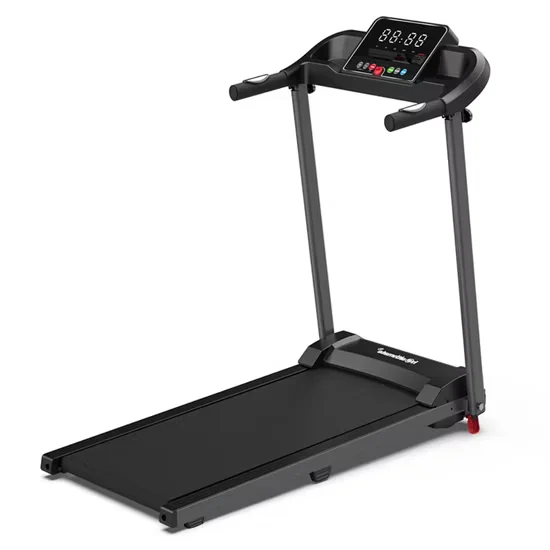
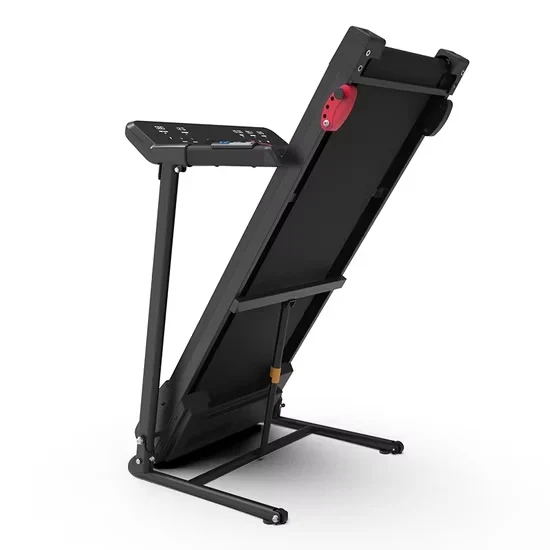
Motorized Treadmill, DC 2.0HP Motor, 1200×420mm Running Surface, Manual Incline — engineered with a foldable frame and built-in transport wheels for space-efficient deployment in home and light commercial environments. Features 12 preset programs, LCD tracking for speed/distance/calories/pulse, and a 1-12 km/h speed range suited for varied cardio sessions. Every unit undergoes motor heat-rise validation and fold-mechanism fatigue cycling before dispatch.
// Spec Highlights
• Direct from Manufacturer · No Middlemen · Worldwide Shipping
01
// Material
Imported Solid Wood
Premium hardwood frames sourced for density and visual warmth.
02
// Hardware
Medical-Grade Silent
Whisper-quiet pulleys and springs for clinical environments.
03
// Customization
Appearance OEM
Color, upholstery, and branding tailored to your studio.
04
// Service
Layout Design
Free venue planning for studios and rehab institutions.
Every component is selected for longevity, performance, and aesthetic harmony - from imported hardwood frames to silent medical-grade accessories.
// Features
Structural Load Testing — Every unit undergoes full load verification before leaving the facility, not just sample-based inspection.
| Parameter | Value |
|---|---|
| Product Type | Motorized Treadmill |
| Model | MT23B |
| Motor Power | 1.5 HP continuous / 2.0 HP DC peak |
| Running Surface | 1200×420 mm |
| Speed Range | 1–12 km/h |
| Incline System | Manual incline function with mechanical lock |
| Transport System | Built-in transport wheels |
| Fold Mechanism | Foldable frame with hinge lock |
| Programs | 12 preset programs |
| Display | LCD — Speed / Distance / Time / Calories / Pulse |
| Product Dimensions (Unfolded) | 1490×720×1100 mm |
| Net Weight | 37 kg |
| Certification | CE, RoHS |
| Color Options | Multicolor options available |
| Facility Type | Typical Use |
|---|---|
| Home fitness space | Daily cardio with foldable storage between sessions |
| Hotel guest fitness room | Compact equipment footprint for limited square footage |
| Apartment complex fitness center | Shared-use cardio for moderate daily traffic |
| Small rehabilitation studio | Low-impact walking and recovery protocols |
A 1200×420 mm belt defines the real training boundary, regardless of what the motor plate says.
Most treadmills in this category quote motor peak horsepower as the headline figure, but users feel the running surface first. A belt that is too short forces a shortened stride, and a belt that is too narrow creates lateral anxiety during sustained running. The MT23B motorized treadmill with manual incline and transport wheels addresses this with a 1200 mm length that accommodates an average adult walking-to-jogging stride envelope, while the 420 mm width keeps foot placement within a comfortable margin. The real question for facility buyers is not whether the motor reaches 12 km/h on paper — it is whether the deck, belt, and frame can sustain repeated loading without deflection or tracking drift over months of use. [NEED_CITE: EN 957 structural requirements for stationary training equipment]
The MT23B covers steady-state walking through moderate jogging, fitting the aerobic base layer of a cardio zone. It complements higher-intensity stations such as self-powered curved treadmills and air bikes by handling the lower-impact, longer-duration segment. For apartment fitness rooms and hotel gyms where floor area is constrained, the foldable frame reduces stored depth significantly, allowing more equipment density in the same footprint. The motorized treadmill with manual incline and transport wheels suits users from light frame to average build who prioritize consistent pace work over sprint intervals.
A folding treadmill introduces a hinge joint that a fixed-frame unit never has to manage. Every fold-unfold cycle loads the pivot hardware, and the locking pin must resist both static weight during running and dynamic shock during foot strike. The deck board underneath the belt bears distributed impact loading — if the substrate is thin-wall material, repeated use produces visible deflection and eventual belt drift. Bearings in the front and rear rollers accumulate dust and sweat residue, which accelerates wear if they are unsealed. The powder coating on contact points and fold joints faces abrasion from repeated handling and transport wheel contact. [NEED_CITE: weld classification and fatigue performance in structural steel]
The 1.5 HP continuous and 2.0 HP DC peak rating reflects two different operating states: sustained output under load versus momentary burst capacity. Continuous rating determines whether the motor maintains speed when a heavier user runs at higher incline. The running deck dimensions — 1200×420 mm — set the physical boundary for usable stride length. Manual incline relies on a mechanical pin-lock mechanism rather than a motor-driven actuator, which eliminates one electronic failure point but demands that the lock hardware tolerates repeated position changes without loosening. The fold hinge must maintain alignment across thousands of cycles to prevent asymmetric belt wear. Net weight at 37 kg indicates a frame designed for portability and home use rather than high-traffic commercial anchoring.
When manufacturers cut cost on a motorized treadmill, the deck board is often the first component downgraded. Swapping a solid or laminated deck for thin-wall tubular support reduces material expense but introduces flex under repetitive foot strike. Over time, this flex causes the belt to track off-center, requiring frequent adjustment and premature belt replacement. Unsealed roller bearings develop play within the first year in high-humidity environments like hotel fitness rooms, producing noise and uneven belt tension. A weak fold hinge lock can shift under dynamic load, creating an unsafe running surface mid-session. These failures rarely appear in the first weeks — they surface after sustained use, when warranty claims become the buyer’s problem. [NEED_CITE: treadmill deck deflection standards in commercial fitness equipment]
The MT23B benefits from the same manufacturing discipline applied across our full product range. Steel sourcing uses mill-certified Q235 and Q345 stock with traceability back to the coil. Cutting runs on 6kW fiber lasers held to ±0.1 mm tolerance, ensuring frame components mate precisely at every joint. Robotic MIG welding produces continuous weld lines with no spot-weld weak points at the fold hinge or deck support brackets. Every unit receives load testing before shipment — not sample-based inspection, but individual verification. The powder coating process delivers a 200μm scratch-resistant finish that withstands sweat exposure and cleaning agents in shared fitness environments. A 10-year frame warranty backs the structural components, and 2D-3D layout CAD support helps facility planners position this motorized treadmill with manual incline and transport wheels at correct clearance distances from adjacent stations.
Share your cardio area dimensions and planned station count to receive a 2D-3D floor plan with correct safety clearances around each foldable treadmill. Specify expected daily user volume so we can confirm whether this structural grade matches your traffic pattern or if a heavier-duty platform is warranted. Provide your target user profile — height range, weight distribution, primary activity — to validate that the 1200×420 mm running surface and speed envelope fit the intended population. Note any branding requirements including frame color, console logo placement, or upholstery accent options for OEM integration.
Q: How can I verify that a treadmill motor rating reflects actual sustained output?
A: Continuous horsepower matters more than peak rating for daily use. A motor labeled 1.5 HP continuous should maintain belt speed under load without thermal throttling. Ask for a temperature rise test report showing motor housing temperature after extended running at maximum user weight. If only peak horsepower is quoted without a continuous rating, the motor may overheat and reduce speed during longer sessions.
Q: What determines the lifespan of a folding treadmill hinge mechanism?
A: The hinge pin diameter, lock engagement depth, and welding quality at the pivot bracket all contribute. A hinge that relies on a thin pin or spot-welded bracket will develop play after repeated fold cycles. Look for continuous weld lines at the hinge plate and a positive-lock pin that cannot partially disengage under dynamic running load.
Q: What separates a home treadmill from one rated for light commercial environments?
A: Light commercial units need heavier frame gauge, sealed bearings, and a motor rated for longer continuous run time. A hotel or apartment gym sees multiple users per day with varied weight profiles, so deck deflection tolerance and belt durability must exceed single-user home specifications. Motor cooling capacity and duty cycle rating also differ.
Q: How does running surface size affect the actual training experience?
A: A shorter deck forces users to shorten their stride, which alters gait mechanics and can create discomfort during sustained sessions. A narrower belt reduces the margin for natural lateral foot placement. The 1200×420 mm surface on the MT23B supports walking through moderate jogging for average-height adults without stride constraint.
Q: What maintenance intervals apply to treadmill belts and roller bearings?
A: Belt tension and centering should be checked monthly in shared-use settings. Roller bearings accumulate dust and require inspection quarterly — if lateral play is detectable by hand, replacement is overdue. Deck lubrication depends on the belt type specified by the manufacturer. Keep motor ventilation clear of debris to prevent thermal buildup.
Premium aesthetics meet quiet operation for boutique studio environments.
Medical-grade silence and precision for sports & postpartum recovery.
Furniture-grade craftsmanship for premium residential installations.
Compact premium setups for one-on-one and small-group training.
Aesthetic Pilates integration for hybrid wellness studio programming.
Multi-unit deployment with instructor-grade reliability for certification programs.
Tell us about your project. Our team will respond within 24 hours with pricing, customization options, and shipping details.
// Sales Director
William
+86 132 2531 1800
// Export Manager
Bella
+86 198 5412 8032
william@bickfit.com