01 / Scenario
STUDIO
P
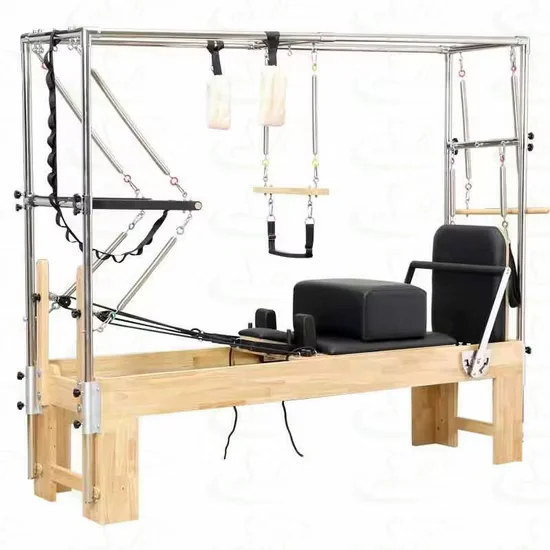
High-End Pilates Studios
Premium aesthetics meet quiet operation for boutique studio environments.

ISO
9001
CE
Certified
OEM
Available
10YR
Warranty
Eco Friendly TPE Yoga Mat, 6mm Thickness, 1830×610mm — engineered with high-density virgin TPE for consistent rebound and closed-cell structure that blocks sweat absorption and bacterial growth during high-traffic studio use. Surface texture delivers reliable grip in both dry and wet conditions, while 6mm profile balances joint cushioning on hard floors with stability for standing poses. Every mat undergoes density and rebound testing before shipment, backed by SGS-certified eco compliance and full OEM logo customization.
// Spec Highlights
• Direct from Manufacturer · No Middlemen · Worldwide Shipping
01
// Material
Imported Solid Wood
Premium hardwood frames sourced for density and visual warmth.
02
// Hardware
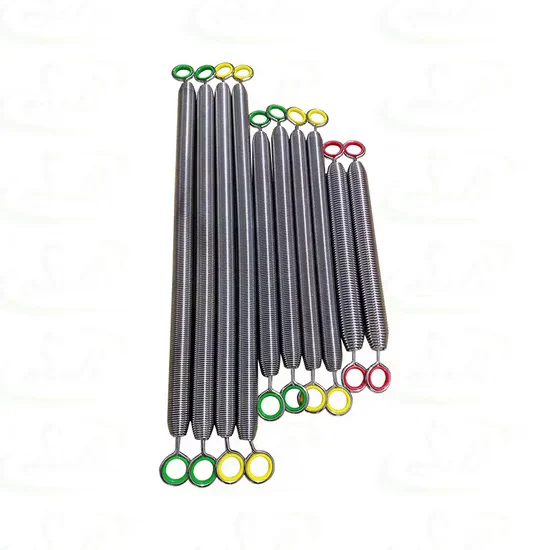
Medical-Grade Silent
Whisper-quiet pulleys and springs for clinical environments.
03
// Customization
Appearance OEM
Color, upholstery, and branding tailored to your studio.
04
// Service
Layout Design
Free venue planning for studios and rehab institutions.
Every component is selected for longevity, performance, and aesthetic harmony - from imported hardwood frames to silent medical-grade accessories.
// Features
Material Traceability — Every TPE batch used in this commercial TPE yoga mat eco friendly exercise mat originates from virgin polymer sources, with SGS-certified test reports verifying the absence of phthalates, heavy metals, and recycled filler content.
| Parameter | Value |
|---|---|
| Product Type | Yoga / Pilates Exercise Mat |
| Material | TPE (Thermoplastic Elastomer) |
| Thickness | 6mm |
| Length | 1830mm |
| Width | 610mm |
| Weight | 2kgs |
| Color | Solid Color |
| Logo | Customized Is Allowed |
| Target User | Adult / Women |
| Facility Type | Typical Use |
|---|---|
| Commercial gym group class studio | High-frequency mat-based conditioning and floor work |
| Pilates and yoga dedicated studio | Daily scheduled classes requiring consistent surface grip and joint cushioning |
| Hotel and resort fitness center | Guest self-service areas demanding easy sanitization between users |
| University recreation facility | Intramural and club-level group exercise programming |
Virgin TPE polymer structure delivers consistent rebound cycle after cycle, while recycled blends compress permanently within weeks of commercial rotation.
Most exercise mats on the market list "TPE" without specifying whether the resin is virgin or reclaimed. The distinction matters in studio environments where dozens of users apply body weight, friction, and moisture to the same surface daily. Recycled TPE contains shortened polymer chains from prior thermal processing, resulting in lower density and reduced elastic recovery [NEED_CITE: TPE polymer chain integrity and compression set behavior]. Under repeated loading, these mats develop permanent body impressions, surface micro-cracking, and edge delamination. In a commercial gym strength floor context, a degraded mat is not just an aesthetic failure — it becomes a slip hazard and a joint-stress liability. This commercial TPE yoga mat eco friendly exercise mat is manufactured exclusively from virgin TPE compound, maintaining a closed-cell structure that resists sweat penetration, bacterial colonization, and the compression fatigue that defines short replacement cycles.
In a commercial strength and conditioning facility, floor work occupies a distinct training plane — sagittal and transverse movements performed at or near ground level, targeting core stabilization, hip mobility, and recovery protocols. This yoga and Pilates exercise mat sits within that zone as a primary interface between the user and hard subflooring, complementing free weight platforms and functional rig areas by providing a defined, sanitary boundary for bodyweight sequences and flexibility work. The 6mm thickness balances joint cushioning against the stability loss that thicker mats introduce during standing balance postures. For studios running consecutive group classes, the 1830mm × 610mm footprint accommodates a broad anthropometric range while remaining manageable for stack-and-store workflows between sessions.
A mat in a busy studio may see use across consecutive class blocks with minimal recovery time between loads. Each session applies distributed body weight, concentrated pressure at knees and elbows, and lateral shear from dynamic transitions. Over a week of this cycling, the foam core endures compression set stress that separates engineered density from commodity material [NEED_CITE: compression set testing standards for closed-cell foam materials]. Sweat and cleaning chemicals further challenge the surface, demanding a closed-cell structure that blocks liquid ingress rather than absorbing it into the core where microbial growth accelerates. The surface texture must maintain grip coefficient under both dry and humid conditions without degrading under repeated chemical sanitation.
The 6mm thickness in this mat is not arbitrary — it represents the engineering midpoint between two failure modes. Below this threshold, the mat transmits excessive ground reaction force to the knees, wrists, and spine during floor work. Above it, the increased foam height introduces lateral instability during standing balance poses and transitional movements. The virgin TPE core maintains its elastic memory through the compression cycles inherent in commercial use, meaning the mat returns to its original thickness after each class rather than developing the permanent valleys that signal end-of-life in recycled alternatives. The closed-cell morphology prevents moisture migration through the core, which is the primary mechanism by which lower-grade mats develop internal odor, discoloration, and structural breakdown over time.
Studios that purchase mats based solely on unit price discover the actual cost within the first quarter of heavy rotation. Low-density cores develop permanent compression zones at high-contact areas, requiring replacement far sooner than a virgin-material product. Surface cracking along fold lines creates trip hazards and exposes the interior foam to moisture intrusion. Non-standard dimensions force awkward spacing in group class layouts, leaving unusable gaps between stations. Mats with open-cell structures absorb sweat and cleaning solution, developing persistent odor that no surface treatment can resolve [NEED_CITE: microbial growth in open-cell versus closed-cell foam structures]. The replacement labor, storage logistics, and user complaints generated by premature mat failure consistently exceed the initial savings of choosing commodity sourcing.
The material sourcing protocol ensures every production batch of this commercial TPE yoga mat eco friendly exercise mat is verified against SGS environmental and safety standards before cutting begins. The closed-cell structure is a manufacturing specification, not a marketing label — it is the structural feature that enables the daily sanitization protocols commercial facilities require. Custom logo application, available through durable imprint methods, allows facility operators to maintain brand consistency across large mat inventories without the logo degrading under friction and cleaning chemical exposure. Bulk orders are held to color-consistency tolerances so that a studio floor presents a uniform visual standard even as individual mats rotate through washing cycles. The 1830mm × 610mm dimensions are specified to align with standard class spacing grids, eliminating the awkward gaps that arise when mats of varying lengths are deployed in a group layout.
Provide your group exercise studio dimensions and planned class capacity to receive a mat quantity calculation and recommended spacing layout. Specify your daily class schedule intensity so the appropriate density and material grade can be confirmed for your usage volume. Indicate custom logo requirements, preferred imprint method, and target color specifications so production samples can be prepared for approval before full order commitment.
Q: How can facility buyers distinguish virgin TPE from recycled material in exercise mats?
A: Virgin TPE has a uniform color cross-section with no visible particulate or gray streaks when cut. Recycled blends often show inconsistent density and a chemical odor that persists beyond initial unpacking. Request the manufacturer’s SGS test report confirming phthalate and heavy metal compliance — virgin material passes these thresholds consistently, while recycled content introduces variable contamination depending on source feedstock origin and prior thermal processing history.
Q: Is 6mm the correct thickness for commercial group fitness classes?
A: For mixed-use studio environments combining yoga, Pilates, and floor conditioning, 6mm provides the balance between joint protection and standing stability. Thicker mats compromise balance during standing postures and are harder to store in high-density racks. Thinner mats transmit excessive impact to knees and wrists during repetitive floor work. The 6mm specification serves the broadest user population in a commercial class rotation without sacrificing either safety parameter.
Q: What is the minimum order for custom logo imprinting on these mats?
A: Custom logo requirements vary by imprint method — silk-screen application and laser engraving each carry different minimum thresholds and durability characteristics. Request a production sample with your specific logo artwork so adhesion and abrasion resistance can be verified under simulated commercial cleaning conditions before committing to a full bulk production order for your facility inventory.
Q: When should a commercial facility plan to replace its exercise mat inventory?
A: Replacement timing depends on class volume, cleaning protocol aggressiveness, and material grade. Virgin TPE with closed-cell structure maintains compression recovery and surface integrity meaningfully longer than recycled alternatives under equivalent use. Monitor for permanent body impressions that do not recover overnight, edge cracking, and surface texture loss as primary indicators. Facilities running daily group classes typically plan inventory refresh on a staggered rotation rather than a simultaneous full replacement.
Premium aesthetics meet quiet operation for boutique studio environments.
Medical-grade silence and precision for sports & postpartum recovery.
Furniture-grade craftsmanship for premium residential installations.
Compact premium setups for one-on-one and small-group training.
Aesthetic Pilates integration for hybrid wellness studio programming.
Multi-unit deployment with instructor-grade reliability for certification programs.
Tell us about your project. Our team will respond within 24 hours with pricing, customization options, and shipping details.
// Sales Director
William
+86 132 2531 1800
// Export Manager
Bella
+86 198 5412 8032
william@bickfit.com