01 / Scenario
STUDIO
P
High-End Pilates Studios
Premium aesthetics meet quiet operation for boutique studio environments.

ISO
9001
CE
Certified
OEM
Available
10YR
Warranty
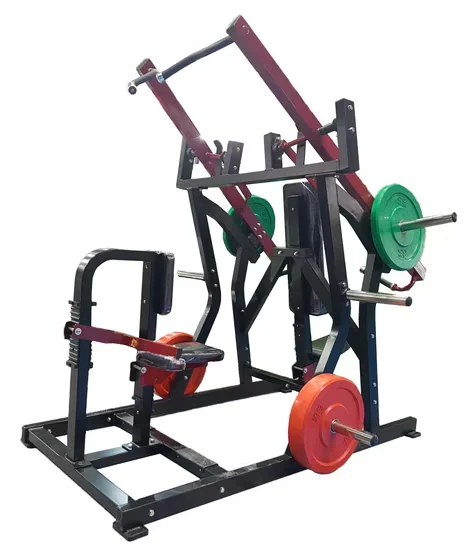
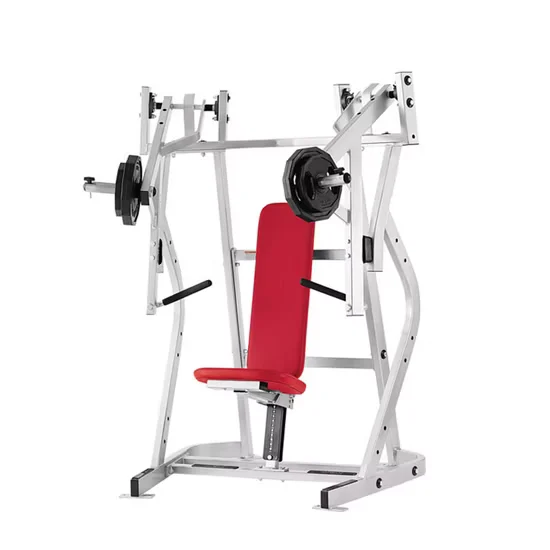
Plate Loaded Seated Dip Machine, 1833×1492×1110mm, 163kg Net Weight — engineered with industrial-grade steel frame and robotic MIG continuous welding to eliminate spot-weld fatigue under heavy repetitive loading. Sealed bearings at pivot points minimize play and maintenance frequency in high-traffic environments. Every unit undergoes individual load testing before shipment, backed by a 10-year frame warranty and factory-direct floor planning support.
// Spec Highlights
• Direct from Manufacturer · No Middlemen · Worldwide Shipping
01
// Material
Imported Solid Wood
Premium hardwood frames sourced for density and visual warmth.
02
// Hardware
Medical-Grade Silent
Whisper-quiet pulleys and springs for clinical environments.
03
// Customization
Appearance OEM
Color, upholstery, and branding tailored to your studio.
04
// Service
Layout Design
Free venue planning for studios and rehab institutions.
Every component is selected for longevity, performance, and aesthetic harmony - from imported hardwood frames to silent medical-grade accessories.
// Features
Mill-Certified Frame Steel — Every tube in this plate loaded seated dip machine traces back to the coil certificate, not a vague commercial-grade label.
| Parameter | Value |
|---|---|
| Product Type | Plate Loaded Seated Dip Machine |
| Loading Type | Plate Loaded |
| Exercise Part | Arm |
| Frame Steel | 11-gauge, 3×3 inch tube |
| Steel Grade | Q235 / Q345 industrial steel |
| Welding Type | Robotic MIG continuous weld |
| Bearing Type | Sealed industrial bearing |
| Powder Coating | 200μm scratch-resistant |
| Product Dimensions | 1833×1492×1110mm |
| Net Weight | 163kg |
| Certification | ISO 9001, CE, RoHS |
| Warranty | 10-year frame |
| Facility Type | Typical Use |
|---|---|
| Commercial gym strength floor | Primary tricep and lower-chest pressing station in a plate loaded row |
| Hotel and resort fitness center | Durable dip station for high-turnover guest use with minimal maintenance |
| University strength and conditioning room | Heavy-load upper body pressing for athletic programs |
| Rehabilitation and performance center | Controlled seated dip movement for late-stage upper extremity conditioning |
Continuous weld lines carry the load where spot welds concentrate stress.
When a user drives 300kg through the pressing arms of a plate loaded seated dip machine, the force travels from the grip handles through the pivot bearings and into the main frame uprights. Spot welds hold at visual inspection but create isolated stress nodes that crack under repeated eccentric loading cycles. I have seen entire batches of dip frames pulled back from gym floors because the cross-member welds fractured after a few months of heavy use [NEED_CITE: weld classification and fatigue performance in structural steel]. A robotic MIG continuous weld distributes that same load across the full seam length, which changes how the frame behaves over thousands of daily reps across a commercial environment.
The seated dip targets the triceps and lower pectoral fibers through a converging pressing arc, complementing flat and incline press stations already on the floor. In a commercial gym strength zone, this plate loaded seated dip machine sits naturally between push-dominant stations and overhead pressing equipment, completing the upper body pressing sequence. The footprint and clearance requirements suit medium-to-high traffic facilities where multiple users rotate through upper body stations. The seated position and fixed movement path accommodate a broad range of user body sizes without requiring manual adjustment between sets.
The primary stress path runs from the loading horns through the pivot arms and into the upright frame tubes, with peak forces occurring during the eccentric return phase. In a high-traffic commercial gym, this commercial plate loaded seated dip machine may see hundreds of loading cycles daily, each imposing alternating tension and compression on the weld seams at the arm-to-frame junction. The sealed bearings at the pivot point must resist both radial load and axial play caused by off-center plate loading [NEED_CITE: EN 957 structural requirements for stationary training equipment]. Grip contact points and seat upholstery endure constant friction and sweat exposure, making material density and coating thickness critical to maintaining appearance and structural integrity over years of use.
The 11-gauge frame tube with a 3×3 inch cross-section sets the deflection threshold under heavy loading, meaning the frame resists twisting when plates are loaded unevenly on one horn. Robotic MIG continuous welding eliminates the weak nodes that spot welding leaves at the end of each weld bead, which directly extends the fatigue life of the arm-to-upright connection. Sealed industrial bearings prevent sweat and chalk dust from penetrating the pivot, so the arm movement stays smooth without developing lateral play over months of use. The 200μm powder coating applied after sandblast preparation keeps contact points and plate-loading horns from chipping down to bare steel, which is where corrosion typically begins in high-humidity gym environments.
Switching from 11-gauge to thinner wall tubing may reduce unit cost, but the frame begins to flex perceptibly under heavy loads, and users notice the instability during pressing movements. Spot-welded joints that pass initial inspection develop hairline cracks within the first year, creating liability exposure for gym operators when a frame fails mid-set. Non-sealed bearings require replacement within months in humid environments, and the downtime pulls the commercial plate loaded seated dip machine off the floor repeatedly. Low-density upholstery compresses and splits under daily commercial use, while thin powder coating chips at the plate contact areas and exposes raw steel to sweat-driven corrosion. Non-standard hardware means replacement parts become unavailable once the original supplier discontinues the model [NEED_CITE: commercial fitness equipment maintenance lifecycle standards].
The 11-gauge Q235 and Q345 steel used in this frame comes with mill certificates traceable to the coil, so there is no ambiguity about what is bearing the load. Robotic MIG welding runs continuous seams along every structural joint, eliminating the spot-weld weak points that fail under repeated dip pressing cycles. Each unit undergoes load testing before it leaves the 15,000㎡ factory floor, not sample-based batch testing that misses individual weld defects. The 200μm industrial powder coating protects the loading horns and grip contact zones from chipping and corrosion under constant plate handling. A 10-year frame warranty backs the structural specification, and 2D-3D CAD layout support helps operators plan the clearance and traffic flow around this plate loaded seated dip machine within the strength zone.
Share your strength zone floor area and current equipment list to receive a 2D-3D layout that positions this plate loaded seated dip machine with proper clearance for plate changes and user traffic. Specify expected daily user volume so we can confirm the structural grade matches your traffic pattern. Provide the body size range of your primary user population to verify the seated geometry and grip spacing work across your membership base.
Q: How do you distinguish true commercial-gauge steel from light-commercial framing?
A: True commercial framing uses 11-gauge or heavier steel with mill certificates traceable to the coil, not a generic commercial-grade label. Request the steel grade designation such as Q235 or Q345 and the tube wall thickness in millimeters. Light-commercial frames typically use thinner tubing that deflects noticeably under heavy plate loads and fatigues faster at weld joints.
Q: Why does continuous welding matter more than spot welding on a dip machine?
A: Spot welding creates isolated attachment points that concentrate stress, leading to fatigue cracks under the repeated loading cycles a dip station endures. Continuous MIG welding distributes force across the entire seam length, which extends the fatigue life of the arm-to-frame connection and reduces the likelihood of structural failure under heavy eccentric loads.
Q: How do sealed bearings affect maintenance intervals on plate loaded equipment?
A: Sealed industrial bearings prevent chalk dust, sweat, and humidity from entering the pivot mechanism, which keeps the arm movement smooth and eliminates lateral play. Non-sealed bearings in high-traffic gyms develop play within months and require frequent replacement, pulling the machine off the floor and increasing maintenance costs over the equipment lifecycle.
Q: What clearance should be planned around a plate loaded seated dip station?
A: Operators need clearance on both sides for plate loading and behind the seat for user entry and exit. A 2D-3D CAD layout accounts for the machine footprint, plate storage reach, and adjacent equipment traffic flow to ensure safe passage without dead space on the strength floor.
Premium aesthetics meet quiet operation for boutique studio environments.
Medical-grade silence and precision for sports & postpartum recovery.
Furniture-grade craftsmanship for premium residential installations.
Compact premium setups for one-on-one and small-group training.
Aesthetic Pilates integration for hybrid wellness studio programming.
Multi-unit deployment with instructor-grade reliability for certification programs.
Tell us about your project. Our team will respond within 24 hours with pricing, customization options, and shipping details.
// Sales Director
William
+86 132 2531 1800
// Export Manager
Bella
+86 198 5412 8032
william@bickfit.com