01 / Scenario
STUDIO
P
High-End Pilates Studios
Premium aesthetics meet quiet operation for boutique studio environments.

ISO
9001
CE
Certified
OEM
Available
10YR
Warranty
SRY-12A Aluminum Reformer with Tower, 2570×730×1850mm, 130kg Net Weight — aircraft-grade aluminum frame resists corrosion and flex under loaded tower articulation, while integrated spring staging delivers progressive resistance for commercial studio and rehabilitation environments. Every unit undergoes full load testing before shipment to ensure carriage rail alignment and structural integrity.
// Spec Highlights
• Direct from Manufacturer · No Middlemen · Worldwide Shipping
01
// Material
Imported Solid Wood
Premium hardwood frames sourced for density and visual warmth.
02
// Hardware
Medical-Grade Silent
Whisper-quiet pulleys and springs for clinical environments.
03
// Customization
Appearance OEM
Color, upholstery, and branding tailored to your studio.
04
// Service
Layout Design
Free venue planning for studios and rehab institutions.
Every component is selected for longevity, performance, and aesthetic harmony - from imported hardwood frames to silent medical-grade accessories.
// Features
Aircraft-Grade Aluminum — Frame alloy traceable to mill batch certificates for verified corrosion resistance and rigidity under daily studio cycling.
| Parameter | Value |
|---|---|
| Designation | SRY-12A |
| Frame Material | Aircraft-grade aluminum |
| Product Dimensions | 2570 × 730 × 1850 mm |
| Net Weight | 130 kg |
| Warranty | 3 Years |
| Accessories Included | Long Box / Jump Board / Platform |
| Color | White (custom color available) |
| Logo | Customized Is Allowed |
| Production Capacity | 80 Pieces/Month |
| User Profile | Adult / Unisex |
| Certification | Available upon request |
| Facility Type | Typical Use |
|---|---|
| Commercial Pilates studio | Multi-session daily reformer classes with tower-based spring work |
| Rehabilitation and physiotherapy center | Low-impact controlled-resistance therapy with precise spring staging |
| Boutique fitness studio | Premium aesthetic equipment for small-group and private sessions |
| Hotel and resort wellness center | Guest-access Pilates programming in wellness and spa environments |
A commercial aluminum Pilates reformer with tower fails not because the springs wear out, but because the frame deflects under repeated loaded articulation and the carriage rails lose alignment.
The alloy grade and wall thickness of the aluminum extrusion determine whether the carriage tracks true after thousands of cycles.
Most light-duty reformers specify generic "aluminum" without disclosing the alloy series or wall thickness. Under daily studio scheduling, the carriage rails develop lateral play, the tower uprights flex when loaded through the push-through bar, and spring anchor points migrate. [NEED_CITE: aluminum alloy fatigue performance under cyclic bending loads] Studio owners then face a choice between frequent carriage re-alignment or full equipment replacement within a few years.
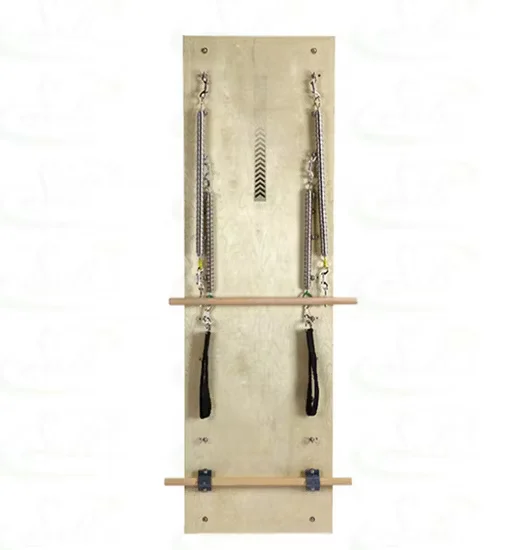
The SRY-12A covers the full Pilates repertoire: supine and prone carriage work, seated and standing tower exercises, and jump board plyometric sequences. In a commercial studio floor plan, this unit pairs with mat stations and Cadillac units to create a complete apparatus circuit. The integrated tower extends the exercise library without requiring a separate wall-mounted unit, which is important for studios where floor space determines revenue per square meter. This commercial aluminum Pilates reformer with tower accommodates users across a broad height and weight range, making it suitable for open-enrollment group classes as well as one-on-one clinical sessions.
A reformer in a commercial studio may see six or more sessions per day, each generating hundreds of carriage cycles with varying load directions. The primary stress points are the carriage wheel-to-rail contact surface, the spring hook attachment points under tension-release cycling, and the tower-to-frame junction where loaded arm work creates lateral bending moments. [NEED_CITE: cyclic fatigue classification for aluminum structural joints] Wheel material and bearing type dictate whether the carriage maintains smooth travel or develops audible grinding and lateral drift over months of use. Spring hooks undergo continuous tension-release cycling, and low-grade wire can develop fatigue cracking at the bend radius. The powder coating or anodized finish on the aluminum frame must also resist degradation from sweat exposure and cleaning chemicals used between every session.
The wall thickness of the aluminum extrusion governs the frame’s resistance to torsional deflection during asymmetric tower exercises, where a single limb pulls the push-through bar off-center. The carriage rail straightness tolerance, measured during assembly, directly affects whether the wheels bind under eccentric loading or track freely through full travel. Bearing selection matters here: sealed bearings prevent sweat and dust infiltration that causes premature wear, while unsealed alternatives require periodic maintenance that most studio operators skip until the carriage feels rough. The spring system’s progressive resistance staging depends on wire gauge and hook geometry; consistent tension across the resistance range requires springs matched to the expected user load profile. [NEED_CITE: spring wire gauge and fatigue life in resistance equipment] Upholstery on the carriage pad and long box must resist compression set and surface splitting under daily use, with replacement covers available as consumable parts rather than requiring full pad replacement.
A reformer built with ungraded thin-wall aluminum tubing will show frame flex during loaded tower roll-downs within the first year of commercial use. Non-sealed carriage bearings accumulate particulate contamination, leading to rough travel that drives clients toward competing studios with smoother equipment. Low-density foam in the carriage pad compresses permanently under daily multi-session use, requiring pad replacement far sooner than expected. When spring hooks fracture from inadequate wire gauge or poor bend radius, the resulting downtime means cancelled classes and refund requests. [NEED_CITE: total cost of ownership for commercial fitness equipment] These failures compound: one compromised component places additional stress on adjacent systems, accelerating the maintenance cycle across the entire unit.
The SRY-12A aluminum frame alloy is sourced with mill test documentation traceable to the raw material batch, not just a generic supplier certificate. Carriage rail straightness is verified during assembly with tolerance documentation, ensuring the wheels track without binding under off-center loads. Every spring set is tension-calibrated and cycle-tested before installation, so progressive resistance staging matches the published specification. The tower-to-frame joint is load-verified to confirm rigidity under the lateral forces generated during standing arm work from the tower bar. Custom branding and color options are applied at the factory level, not through aftermarket modifications that compromise finish adhesion. Each unit ships with a three-year structural warranty covering the frame and carriage system under commercial use conditions.
Provide your studio floor area and intended class size so we can recommend unit count and spacing for safe clearance between reformers during full-extension exercises. Specify your daily session volume so we can confirm the structural grade matches your traffic profile. Indicate whether you need custom color, logo placement, or specific spring resistance staging to align with your programming methodology and brand identity.
Q: How do I tell a commercial-grade aluminum reformer from a light-duty model?
A: Request the aluminum alloy series designation and extrusion wall thickness documentation. Commercial units specify aircraft-grade or structural-series alloys with verifiable mill certificates. Inspect the carriage wheel bearing type — sealed bearings indicate a design intended for high-cycle environments. Check whether the manufacturer provides rail straightness tolerance data and spring cycle-test records.
Q: What aluminum alloy and wall thickness should a commercial reformer frame use?
A: Commercial reformers should specify a structural-grade or aircraft-grade aluminum alloy with documented yield and tensile properties. The extrusion wall thickness must resist torsional deflection during loaded tower exercises without visible flex. Ask the manufacturer for the mill test report that traces the alloy batch, and confirm that the wall dimension is consistent along the entire frame length.
Q: How does carriage wheel and rail design affect long-term maintenance?
A: Sealed bearings prevent sweat and dust contamination that causes premature wheel wear and rough carriage travel. Rail straightness tolerance, verified during assembly, prevents binding under eccentric loads that accelerates wheel degradation. A well-aligned system with sealed bearings extends maintenance intervals significantly, reducing studio downtime and the labor cost associated with carriage re-alignment.
Q: What should I inspect about tower attachment points before purchasing?
A: Examine how the tower upright connects to the main frame — this joint must resist lateral bending moments during loaded arm and leg work. Ask for the load test verification record at this junction. Check that all attachment points for the push-through bar, roll-down bar, and safety chains are reinforced rather than relying on simple bolt-through connections in thin-wall tubing.
Premium aesthetics meet quiet operation for boutique studio environments.
Medical-grade silence and precision for sports & postpartum recovery.
Furniture-grade craftsmanship for premium residential installations.
Compact premium setups for one-on-one and small-group training.
Aesthetic Pilates integration for hybrid wellness studio programming.
Multi-unit deployment with instructor-grade reliability for certification programs.
Tell us about your project. Our team will respond within 24 hours with pricing, customization options, and shipping details.
// Sales Director
William
+86 132 2531 1800
// Export Manager
Bella
+86 198 5412 8032
william@bickfit.com