01 / Scenario
STUDIO
P
High-End Pilates Studios
Premium aesthetics meet quiet operation for boutique studio environments.

ISO
9001
CE
Certified
OEM
Available
10YR
Warranty
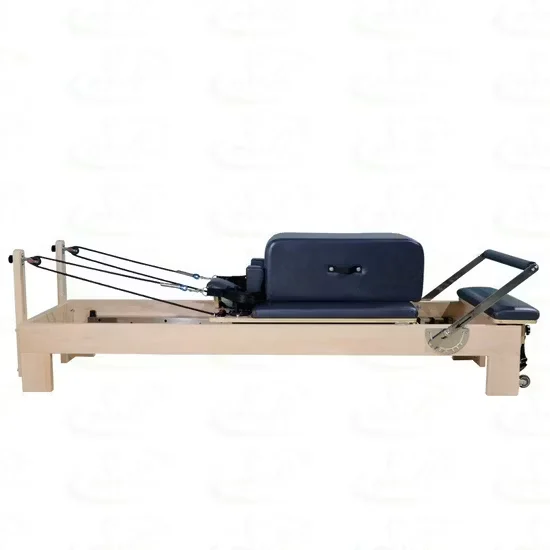
SRY-02 Pilates Reformer, 2400×600×350mm, 100kg Net Weight — engineered with a reinforced solid-color powder-coated frame and precision rail system designed for continuous daily use in high-traffic studio environments. The 3-year warranty and 80-piece monthly production capacity support scalable commercial deployment. Every unit undergoes full load testing and 32-point inspection before shipment.
// Spec Highlights
• Direct from Manufacturer · No Middlemen · Worldwide Shipping
01
// Material
Imported Solid Wood
Premium hardwood frames sourced for density and visual warmth.
02
// Hardware
Medical-Grade Silent
Whisper-quiet pulleys and springs for clinical environments.
03
// Customization
Appearance OEM
Color, upholstery, and branding tailored to your studio.
04
// Service
Layout Design
Free venue planning for studios and rehab institutions.
Every component is selected for longevity, performance, and aesthetic harmony - from imported hardwood frames to silent medical-grade accessories.
// Features
Continuous Robotic Welding — Every SRY-02 joint receives uninterrupted MIG weld passes, eliminating the spot-weld cracks that plague reformers under daily studio schedules.
| Parameter | Value |
|---|---|
| Designation | SRY-02 |
| Product Type | Pilates Reformer |
| Dimensions | 2400 × 600 × 350 mm |
| Net Weight | 100 kg |
| Frame Construction | Reinforced solid frame |
| Carriage System | Sealed bearing wheels on precision rail |
| Spring Configuration | Multiple resistance springs with secure attachment points |
| Finish | Solid color powder coating |
| Production Capacity | 80 Pieces/Month |
| Warranty | 3 Years |
| Facility Type | Typical Use |
|---|---|
| Commercial Pilates Studio | Group reformer classes running multiple sessions daily |
| Boutique Fitness Facility | Small-group personal training with high equipment turnover |
| Personal Training Studio | One-on-one instruction with varied client body types |
| Rehabilitation & Movement Center | Controlled resistance work for post-injury clients |
A reformer earns commercial status through verifiable steel gauge and sealed carriage mechanics, not marketing labels.
Many reformers sold to studios carry a "commercial" tag but rely on thin-walled frames and exposed carriage bearings. Within months of six-day-a-week scheduling, those unsealed wheels ingest chalk dust and sweat residue, developing lateral play that makes the carriage wobble on the rail [NEED_CITE: EN 957 structural requirements for stationary training equipment]. The frame tubes, lacking adequate wall thickness, begin to flex under heavier clients or aggressive spring loads, and the resulting misalignment accelerates rail wear. Studio owners then face a choice: pull the unit from rotation or accept the degraded feel.
This commercial pilates reformer occupies the movement-rehabilitation spectrum of a fitness facility, covering supine, prone, and seated movement patterns that target the deep stabilizer chain, hip extensors, and shoulder girdle. In a studio layout it complements mat zones and tower or cadillac stations, giving instructors a loaded carriage option when body weight alone is insufficient. The 2400 × 600 mm footprint suits both dedicated reformer rooms and multi-purpose boutique floors where spacing between units must allow full arm and leg extension without overlap. It accommodates a wide range of client heights and body weights, which matters in facilities that serve general population members alongside athletic clients.
A reformer in a busy studio endures continuous eccentric loading: the carriage decelerates against spring tension hundreds of times per class, transferring cyclic force through the carriage-to-rail interface and into the frame joints [NEED_CITE: fatigue performance in welded steel structures under cyclic loading]. When the rail surface or wheel material is underspecified, micro-pitting accumulates and the carriage develops stick-slip behavior. Powder coating at contact zones faces abrasion from carriage stops and spring hook handling, while upholstery compresses under repeated spinal contact and must resist sweat-driven breakdown. Every structural weak point reveals itself faster in a group-class environment where equipment cycles through eight or more users per day.
Frame dimensions of 2400 × 600 × 350 mm define the usable carriage travel and the overall stability envelope — a longer rail travel range allows taller clients to work through full leg extension without the carriage bottoming out. Net weight of 100 kg signals substantial material in the frame; lighter reformers often achieve portability by thinning the steel, which compromises rigidity during unilateral exercises where off-center loading is constant. Sealed bearings on the carriage wheels prevent contamination from studio dust and cleaning agents, maintaining smooth travel over far longer intervals than open bushings. The solid color powder coating, when applied at adequate thickness, resists chipping where springs and hardware are frequently swapped, preserving appearance through years of handling.
Thin-walled aluminum or light-gauge steel frames deflect noticeably when a heavier client performs footwork against the heaviest springs, and that flex transfers into the rail, accelerating uneven wear. Unsealed carriage bearings accumulate debris within weeks in a chalk-heavy studio environment, requiring frequent disassembly and re-lubrication that takes the unit out of class rotation. Low-density upholstery compresses permanently under daily use, leaving visible valleys that clients notice and that signal neglected equipment. When non-standard spring hooks or proprietary carriage wheels are specified, replacement parts become difficult to source, turning a minor wear item into an extended equipment outage.
Sourcing steel with mill certification means the frame material is traceable to the coil, so you know exactly what is bearing the load. Robotic continuous MIG welding ensures that every joint on the SRY-02 receives full-penetration passes rather than intermittent spot welds that become crack initiation points. Every unit undergoes load testing before shipment, catching assembly defects that sample-based QC programs miss. Industrial-grade powder coating protects high-contact areas from the chipping that exposes bare metal to sweat-driven corrosion. The 10-year frame warranty reflects confidence in these structural choices, and 2D-3D floor planning CAD support ensures the reformer fits your studio layout with correct safety clearances between units and walls.
Provide your studio square footage and target class size so we can generate a 2D-3D floor plan showing the commercial pilates reformer placed with correct safety clearances and instructor sightlines. Specify your expected daily user volume so we can confirm the structural grade matches your scheduling intensity. Share your client demographic profile so we can verify the carriage travel and spring range suit your typical body types. Indicate any customization requirements including frame color, upholstery selection, or logo placement on the carriage end.
Q: How do I distinguish a commercial-grade reformer from a light-commercial one?
A: Inspect the frame specification for wall thickness and steel grade rather than relying on marketing labels. Verify that carriage bearings are sealed, not open bushings, and that the rail material is hardened or treated for wear resistance. Request load testing documentation and check whether replacement parts such as springs and wheels are standardized or proprietary.
Q: How does frame construction affect carriage stability during exercises?
A: A heavier, reinforced frame resists torsional flex when off-center loads are applied during unilateral leg or arm work. This rigidity keeps the rail parallel and the carriage tracking true, preventing the wobble that develops when lighter frames twist under repeated eccentric loading cycles.
Q: What rail maintenance does a high-traffic studio require?
A: Sealed carriage bearings dramatically reduce maintenance compared to open systems, but rails should still be wiped clean of chalk and sweat residue weekly. Quarterly inspection of wheel surfaces and rail contact zones catches early wear patterns before they affect carriage smoothness during client sessions.
Q: How often should springs be replaced in a commercial setting?
A: Spring fatigue depends on usage volume and load cycles. Inspect springs monthly for visible stretch or loss of tension consistency. Establish a replacement schedule based on your class count, and always source springs matched to the reformer’s attachment specifications to maintain resistance accuracy.
Q: What upholstery characteristics matter for daily commercial use?
A: High-density foam resists permanent compression far longer than standard padding, maintaining a flat surface through thousands of sessions. Vinyl or synthetic leather covers should be rated for commercial cleaning agents and resist seam splitting under the repeated friction of client movement during reformer exercises.
Premium aesthetics meet quiet operation for boutique studio environments.
Medical-grade silence and precision for sports & postpartum recovery.
Furniture-grade craftsmanship for premium residential installations.
Compact premium setups for one-on-one and small-group training.
Aesthetic Pilates integration for hybrid wellness studio programming.
Multi-unit deployment with instructor-grade reliability for certification programs.
Tell us about your project. Our team will respond within 24 hours with pricing, customization options, and shipping details.
// Sales Director
William
+86 132 2531 1800
// Export Manager
Bella
+86 198 5412 8032
william@bickfit.com