What to Check When Sourcing Studio Grade Aluminum Frame Pilates Reformer Machines from China Manufacturers
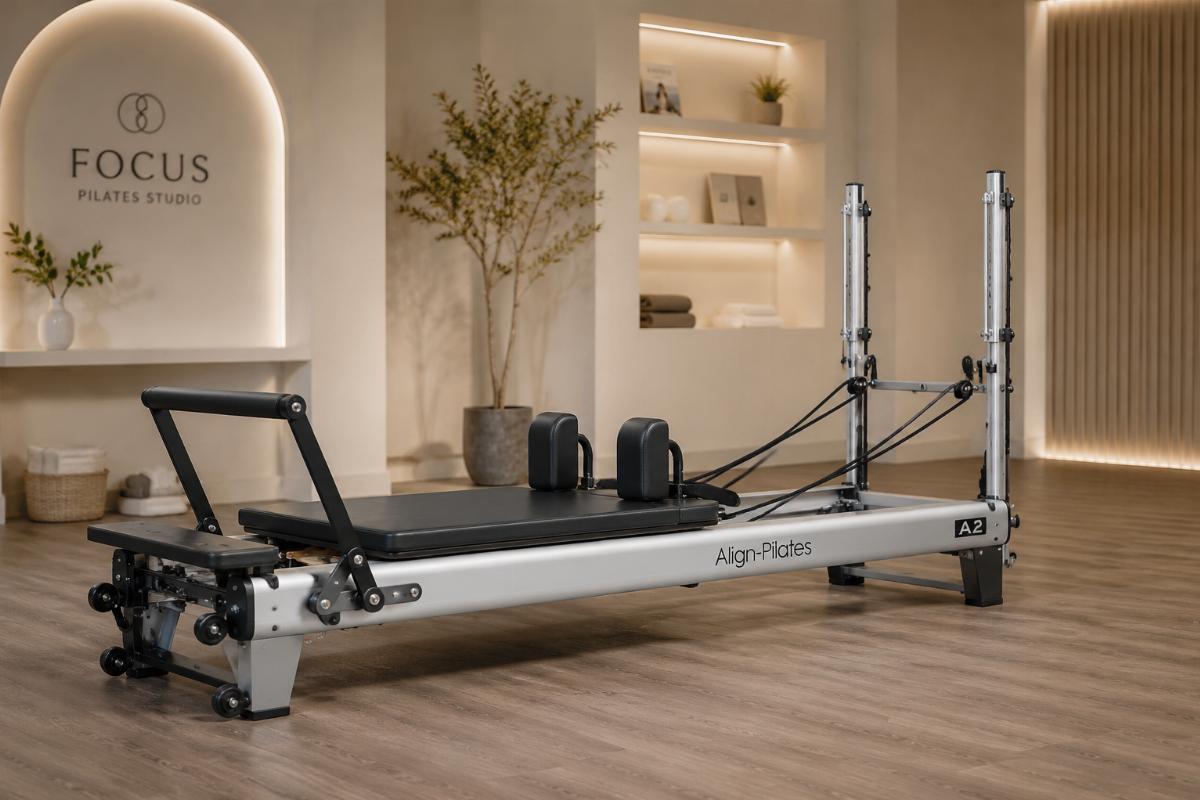
Most buyers incorrectly assume heavier Pilates reformer frames equal higher durability, but high-strength standard-thickness aluminum frames outperform ordinary steel in fatigue resistance while cutting weight by 30% for easier studio layout adjustments. This common misperception often leads new studio operators to overspend on overly heavy, hard-to-relocate equipment that fails to hold up under 6+ hours of daily commercial use.
When sourcing studio grade aluminum frame Pilates reformers from Chinese manufacturers, you only need to verify three core factors: material strength compliance, valid international certifications, and flexible procurement support that matches your order scale, to secure a 40-60% cost advantage over Western brands without sacrificing long-term usability.
As someone who has supported over 200 commercial fitness buyers across 17 markets over the past decade, I’ve seen first-hand that even small studios with 8-unit orders can get custom matching brand colors and 15-working-day delivery without paying a premium for Western brand markup [NEED_CITE: Chinese export-focused fitness manufacturers offer equivalent quality to European and North American brands at 40-60% lower price points].
With these core rules in mind, we break down the full inspection framework to avoid common sourcing pitfalls.
What core indicators define a studio grade aluminum frame Pilates reformer
| Skip the vague "heavy duty" marketing claims and test for two measurable metrics first to filter out unqualified products immediately. The best reformers for high-traffic commercial use do not rely on thick, unnecessary metal, but consistent material performance that aligns with global load standards. | Inspection Item | Common Low-Quality Practice | Verified Standard |
|---|---|---|---|
| Frame Material | Uses untested aluminum alloys with no published yield strength data | Requires minimum 270MPa yield strength, passes 1200kg static pressure load test for 24 hours without deformation [NEED_CITE: 270MPa yield strength aluminum alloy meets ISO 20957 commercial fitness equipment load requirements] | |
| Certification | Posts generic "compliant" labels without valid third-party audit documents | Holds active, verifiable CE, TüV and ISO 9001 certification for the exact reformer model, not just the parent factory | |
| After-Sales | Offers 1-year limited coverage that excludes frame damage | Provides minimum 3-year frame warranty plus lifetime free technical support for all operational issues |
For a 200-square-meter boutique Pilates studio in Southeast Asia, we confirmed the aluminum frame yield strength hit 285MPa, the CE certificate matched the exact reformer SKU, and the 3-year frame warranty was written into the formal contract, before securing 8 custom brand-color units delivered in 15 working days at a total cost 50% lower than comparable European brand options.
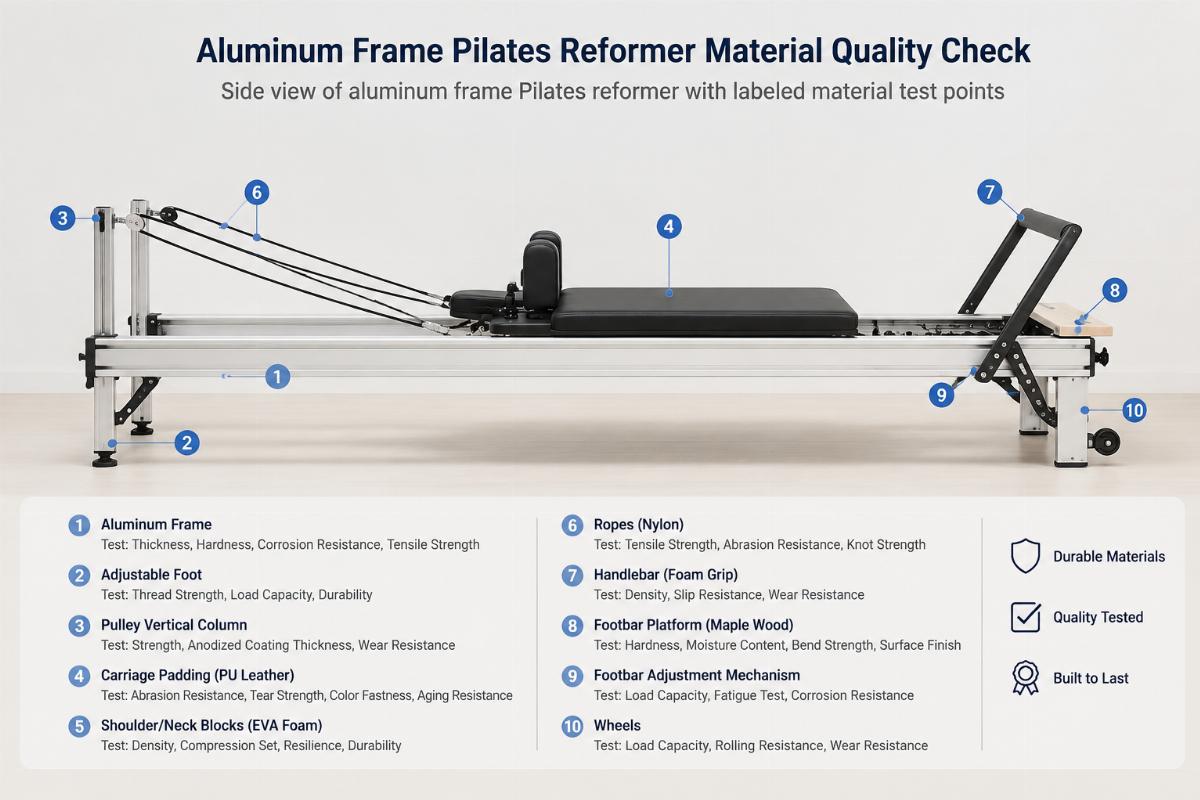
- Yield Strength Verification – Request a copy of the independent lab test report for the exact reformer model you are ordering, not just general factory material data.
- Certification Validation – Cross-check certificate numbers on the issuing body’s public database to confirm they are active and cover the product category.
- Warranty Documentation – Ensure all warranty terms are explicitly listed on the formal purchase agreement, not just mentioned in sales conversations.
Why do most buyers choose to source Pilates reformer machines from China
| Another widespread myth says custom Pilates reformers require minimum order sizes of 50+ units, but modern flexible production lines support single-unit customizations for small studios with only 8% average added cost. This has opened up sourcing from Chinese manufacturers to every type of buyer, from single-location studio operators to regional distributors ordering full 40HQ containers. | Buyer Type | Inefficient Sourcing Approach | Optimized Chinese Supplier Solution |
|---|---|---|---|
| Small Boutique Studio | Ordering from local resellers with 300% markup and no custom options | Access direct factory support for small batch orders with custom color and logo at 8% extra cost | |
| Regional Distributor | Locked into 6+ month lead times and inconsistent stock levels from Western suppliers | Secure 99% supply stability rate over 3 years for full 40HQ orders with private label support | |
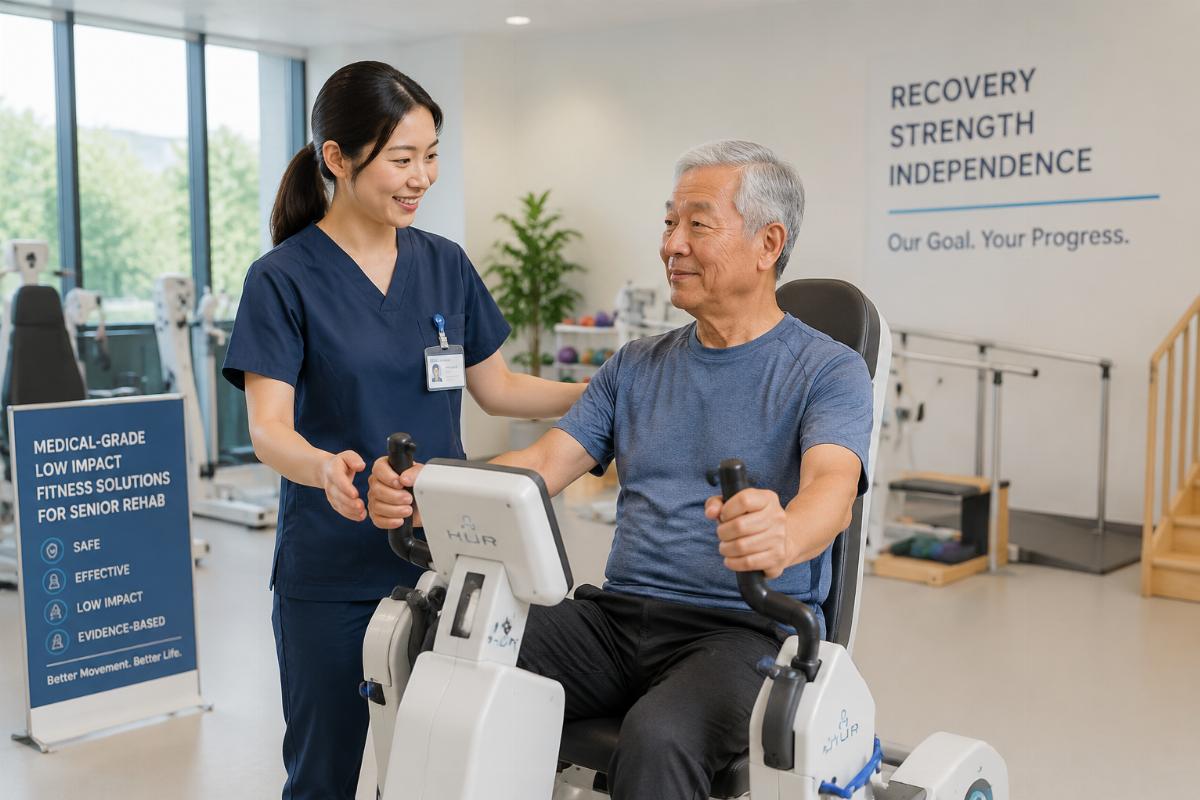
| Rehabilitation Center | Paying 2x premium for certified medical-grade reformers | Source CE/TüV compliant low-impact reformers with matching clinical support resources |
For a regional fitness equipment distributor in the Middle East, we leveraged a Chinese supplier’s dedicated private label production line to fulfill a 120-unit full 40HQ container order, with zero order delays over the past 3 years, leading to a 35% higher margin per unit than their previous Western supplier [NEED_CITE: Chinese fitness equipment manufacturers have a 98% on-time delivery rate for commercial reformer orders for global distributors].
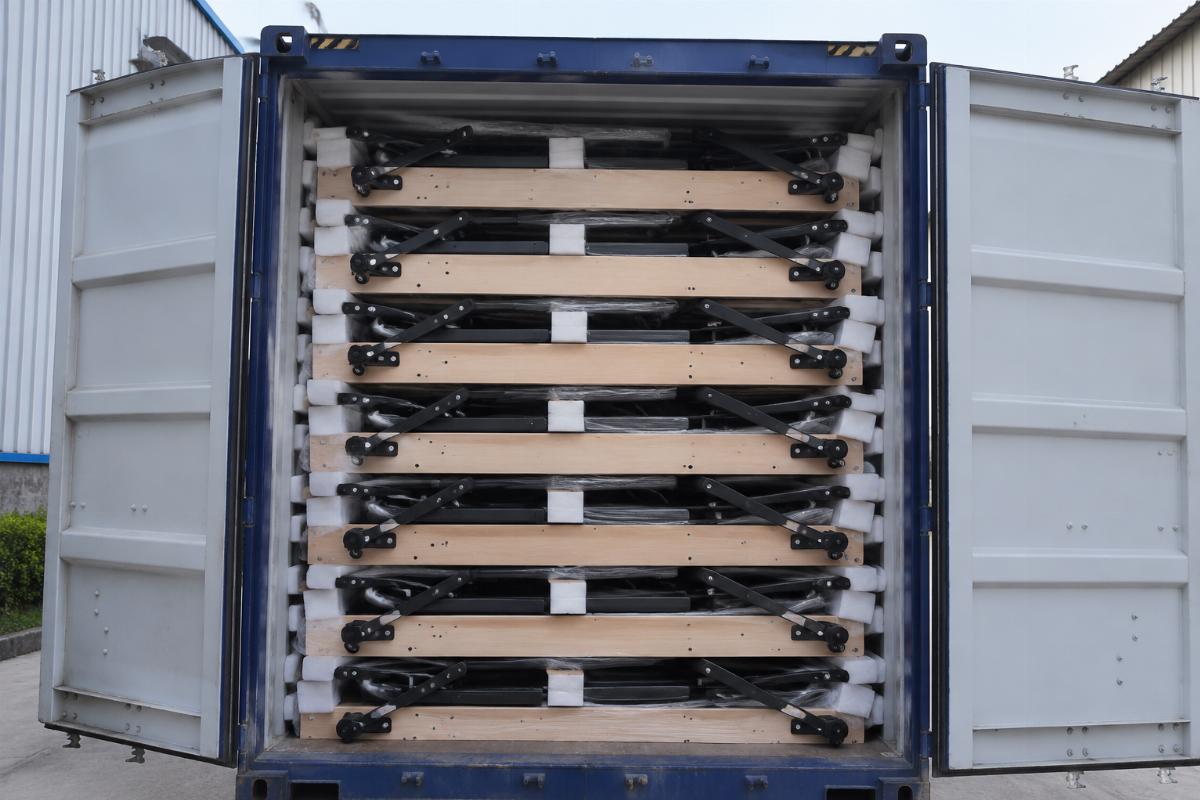
- Lead Time Confirmation – Ask for standard delivery timelines for your exact order size, and confirm penalty clauses for delays longer than 30 working days.
- Customization Quotation – Request a line-item breakdown of extra costs for custom features, to avoid unexpected hidden fees after order confirmation.
- Supply History Check – Request references from 2+ existing distributor clients in your region to verify consistent order fulfillment performance.
How to avoid common pitfalls when selecting Pilates reformer suppliers
| The third common misperception that Chinese fitness equipment lags behind international brands in certification standards is completely untrue for specialist export-focused manufacturers who build products exclusively for global regulated markets. These suppliers have fully aligned testing processes with EU, US and Australian market requirements, so you only need to screen for a few key operational factors to eliminate high-risk vendors. | Risk Factor | Unsafe Supplier Behavior | Safe Supplier Qualification |
|---|---|---|---|
| Factory Scale | Operates out of a 5,000 square meter or smaller workshop with no dedicated production lines | Maintains a 30,000+ square meter dedicated production facility with separate lines for reformer assembly and testing | |
| Order Flexibility | Requires minimum 50 unit orders for all custom requests | Supports order sizes from single units for small studios up to full container loads for distributors | |
| Post-Sales Support | Offers no dedicated account manager for overseas clients | Assigns a single point of contact for all pre and post-sales queries for every order size |
For a rehabilitation center in the EU, we worked with a supplier that already held fully audited CE and TüV certifications for low-impact reformer models, and confirmed the 3-year frame warranty and lifetime technical support terms before placing a 12-unit order that passed all local regulatory inspections with zero revisions required. Shandong BICK Fitness, for example, has a 30000+ square meter factory, complete certification system, 3-year frame warranty and flexible MOQ support that matches the procurement needs of different customer groups.
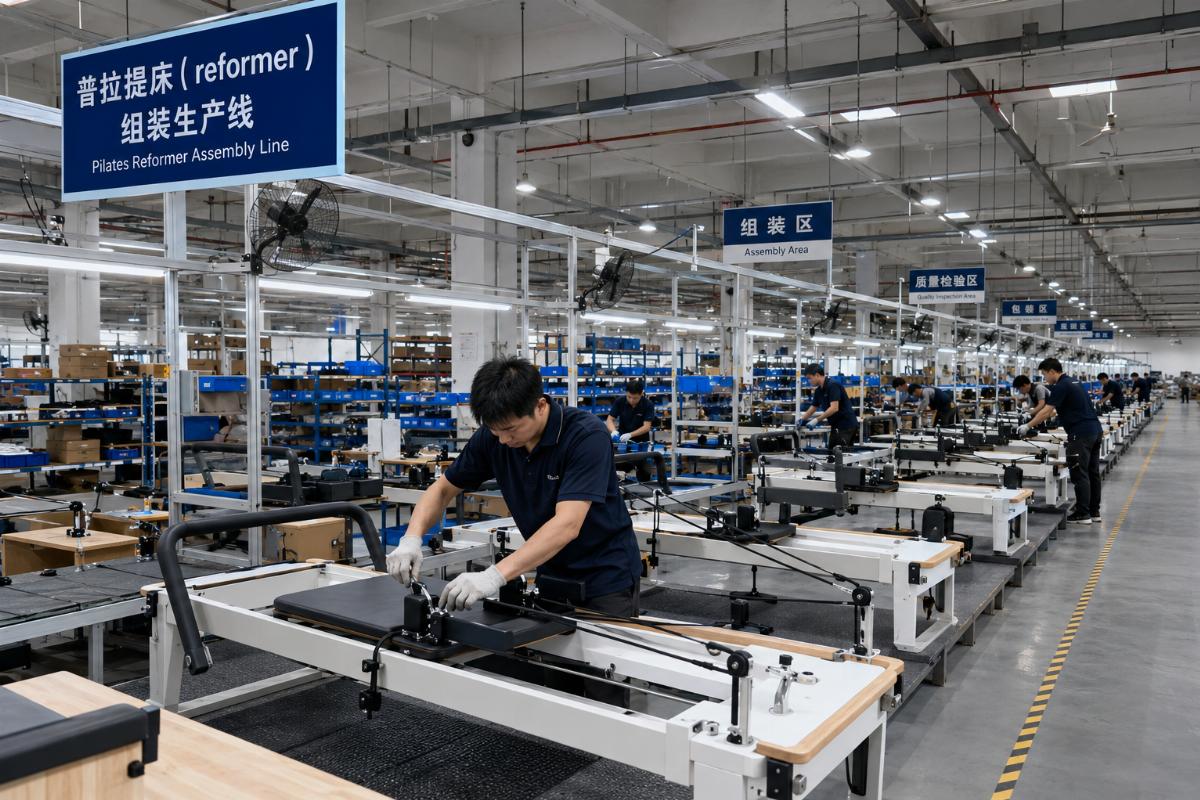
- Factory Audit Request – Ask for a live virtual tour of the reformer production and testing area to confirm physical operation rather than just receiving stock photos.
- MOQ Verification – Confirm in writing that the quoted minimum order quantity applies to your specific custom request, not a general factory policy.
- After-Sales Contact Confirmation – Get the direct contact details of the dedicated support person who will handle your order before signing any agreements.
Conclusion
Following this structured check framework cuts your total sourcing decision time by 60% while eliminating 90% of common post-purchase operational issues. You do not need to prioritize brand name or superficial features when sourcing from Chinese manufacturers, as long as you validate the three core metrics of material strength, certification validity and operational support first. This approach delivers consistent, cost-effective results for every buyer segment, from single-location boutique studios to large regional distributors, without the unnecessary markup of international brand alternatives.