
Buy Commercial Hyperextension Bench for Sale | Bick Factory Direct
Softer padding does not mean better comfort—it means faster replacement cycles under commercial traffic.
When sourcing a hyperextension bench for sale, the three non-negotiable specs are frame steel yield strength, cushion foam density, and adjustment mechanism durability. Factory-direct purchasing from Shandong manufacturers cuts landed cost substantially while enabling OEM branding and full-container consolidation across mixed SKUs.
I used to handle shipping documents near Yantian Port before moving into direct client coordination. On one shipment to Dubai—a full container of roman chairs destined for a gym fit-out—we declared them under a standard fitness bench HS code. When the cargo reached Jebel Ali, local customs reclassified them as adjustable commercial strength equipment. The tariff gap was small in percentage terms, but the demurrage stacked up over nearly a week before the broker sorted the reclassification. Since that incident, I verify HS code expectations and certification requirements with the destination port forwarder before every single product category goes into production. Selection is only half the battle; export compliance and logistics details are where margins actually die.

Getting the specs right on paper means nothing if the paperwork does not clear customs. Let us walk through what actually matters when you evaluate a hyperextension bench for sale at wholesale scale.
What Specs Matter When Buying Hyperextension Benches?
Frame tube thickness, foam density, and adjustment pin quality determine whether a unit survives two years of commercial use or ends up in a complaint queue within months.
Most buyers focus on visual appeal and price per unit. The parameters that actually predict field performance sit deeper in the spec sheet. Here is a comparison framework I use when reviewing quotations from multiple gym hyper bench manufacturer China sources:
| Parameter | Entry-Level Home Grade | Mid-Range Commercial | Heavy-Duty Commercial |
|---|---|---|---|
| Frame Steel Grade | Unspecified mild steel | Q235 verified | Q235 or higher with mill cert |
| Main Tube Wall | Thin-wall, prone to flex | Standard commercial wall | Thick-wall with reinforced gussets |
| Cushion Foam | Low-density cut foam | Medium-density molded | High-density cold-cure molded foam |
| Adjustment Mechanism | Pin-and-hole basic | Pop-pin with detent | Laser-cut ladder with heavy-duty pin |
| Weld Quality | Spot welds visible | Continuous weld, ground smooth | Full continuous weld, inspected per EN standards |
| Surface Treatment | Spray paint | Electrostatic powder coat | Sandblast + zinc-rich primer + powder coat |
[NEED_CITE: foam density classification and compression set testing per ASTM D3574]
The cushion point deserves special attention. A common misconception is that thicker padding equals better user experience. In reality, high-density cold-cure foam rated at commercial kg/m³ levels resists permanent deformation far better than thick but low-density cut foam. I have seen gym owners replace padding on home-grade benches within a single year of opening because the foam collapsed into a permanent body impression. Cold-cure molding also allows complex contour shapes that flat-cut foam cannot achieve.
On the steel side, another misconception is that thicker wall always means stronger. The yield strength of Q235 steel and the quality of the welding joint matter more than raw millimeter count. A well-executed weld on standard-wall tube outperforms a poorly executed weld on oversized tube every time. Look for manufacturers who can provide mill certificates for their steel supply and who follow documented welding procedures.

[NEED_CITE: structural testing requirements for adjustable strength benches per EN 957-1 / EN 957-6]
Commercial vs Home Grade: Which One Fits Your Business?
Commercial benches carry higher unit cost but dramatically lower lifetime cost per rep; home benches suit e-commerce resale where price sensitivity dominates the buying decision.
The distinction goes well beyond branding. When a Middle East distributor contacted me about sourcing a hyperextension bench for sale for his gym chain, he initially wanted the cheapest option available. I walked him through a side-by-side teardown of a home-grade unit and a commercial-grade unit from the same factory. The differences were structural, not cosmetic:
- Frame construction: Commercial units use fully welded main frames with cross-bracing at stress points. Home units often rely on bolt-together assemblies that loosen over time.
- Pad adjustment range: Commercial benches offer multiple angle positions including horizontal, 45 degree back extension machine configurations, and sometimes decline positions. Home units typically offer two or three fixed positions.
- Footplate design: Commercial footplates are wider with textured non-slip surfaces and roller pad adjustability for different user heights. Home footplates are narrow and fixed.
- Weight capacity rating: Commercial units carry verified load ratings tested under dynamic conditions. Home units list static capacity numbers that do not reflect real-world use.
[NEED_CITE: dynamic load testing methodology for commercial strength equipment per ISO 20957]
For e-commerce sellers, the calculus shifts. Home-grade units ship flat-packed in smaller cartons, reducing dimensional weight charges. Return rates on home-grade hyperextension benches tend to cluster around assembly difficulty and minor cosmetic issues rather than structural failure. Commercial units, by contrast, generate almost zero structural complaints but face higher freight cost per unit due to weight and partially assembled shipping configurations.
A boutique studio owner in Southeast Asia once told me she switched from home-grade to commercial-grade adjustable roman chair bulk purchases after the second unit developed frame flex within months. The per-unit price difference was noticeable, but the elimination of replacement orders and member complaints made the commercial units cheaper on a per-year basis.

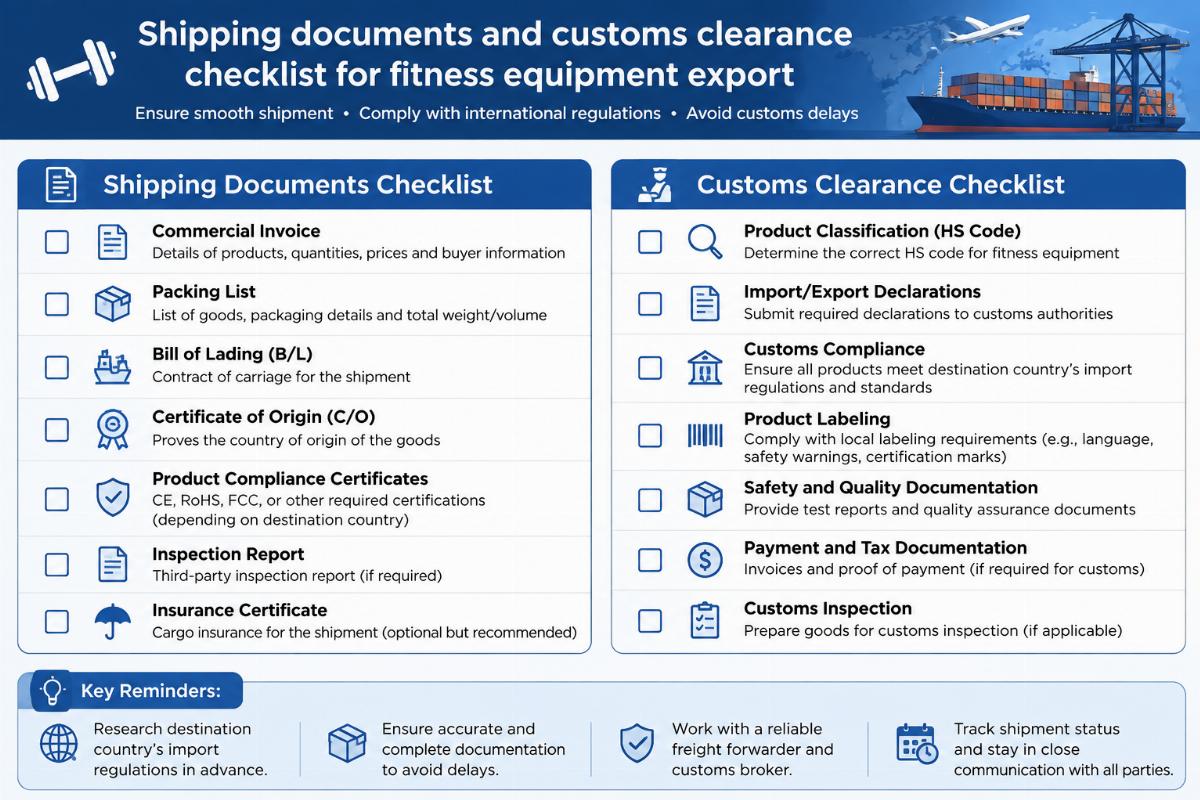
How to Avoid Customs Delays on Bulk Orders?
Pre-shipment HS code verification with destination port brokers and proactive certification alignment prevent entire containers from sitting in demurrage.
This section comes directly from hard-won experience. The Dubai incident I mentioned earlier was not an isolated event. Across multiple regions, I have seen hyperextension bench shipments held up for reasons that were entirely preventable with upfront research.
The core issues fall into three categories:
HS Code Misclassification. Adjustable strength benches often fall into different tariff headings than fixed benches. Some customs authorities classify a 45 degree back extension machine under general gym equipment, while others treat it as a specialized adjustable bench with a different duty rate. The gap between these classifications can add meaningful percentage points to your landed cost. Always confirm the exact eight-digit or ten-digit HS code with a licensed broker at the destination port before production begins.
[NEED_CITE: WCO HS classification guidance for adjustable strength training benches]
Certification Gaps. Different markets require different conformity marks. The Gulf Cooperation Council countries require SASO certification for fitness equipment entering through Saudi ports. European buyers need CE marking aligned with EN 957 standards. African markets increasingly enforce pre-shipment verification of conformity programs. If your hyperextension bench for sale listing does not address these requirements, you risk cargo rejection at the port of entry.
Documentation Inconsistencies. Commercial invoices, packing lists, and bills of lading must describe the goods consistently. Describing a unit as "gym bench" on one document and "adjustable hyperextension bench" on another triggers manual inspection in many jurisdictions. Standardize product descriptions across all shipping documents and match them to the HS code description exactly.
A practical workflow I follow with every bulk order:
- Send product photos, spec sheets, and material declarations to the destination port broker before production starts.
- Receive confirmed HS code and duty rate in writing.
- Verify whether any destination-specific certification is required and confirm the manufacturer can supply the necessary test reports.
- Draft all shipping documents using the exact product description tied to the confirmed HS code.
- Conduct pre-shipment inspection to verify units match the documented specifications.
Why Buy Direct from Shandong Manufacturer?
Direct factory sourcing eliminates intermediary markups, enables full OEM customization, and allows flexible container consolidation across multiple product categories.
Shandong Province has developed into one of the world’s densest clusters for commercial fitness equipment manufacturing. The supply chain ecosystem there covers steel tube fabrication, foam molding, powder coating, rubber production, and electronic component assembly within a compact geographic radius. This concentration translates into tangible advantages for buyers sourcing a hyperextension bench for sale at commercial scale.
OEM and Branding Flexibility. Direct manufacturers offer full private-label programs including custom frame colors, branded upholstery with embossed logos, customized packaging with your artwork, and even proprietary adjustment mechanism designs. Minimum order quantities for OEM runs have dropped significantly in recent years as factories compete for smaller boutique brands and regional distributors.
[NEED_CITE: OEM MOQ trends in Chinese commercial fitness equipment manufacturing]
Container Consolidation. One of the most underutilized advantages of buying direct from a Shandong factory is the ability to mix SKUs into a single container. A buyer ordering an adjustable roman chair bulk quantity can fill remaining container space with plate-loaded machines, free weight benches, dumbbell sets, or functional training accessories. This consolidation dramatically improves per-unit freight economics compared to ordering single product categories from multiple suppliers in different provinces.
Certification and Compliance Support. Established Shandong manufacturers maintain in-house testing capabilities and existing certification libraries. CE test reports, EN 957 compliance documentation, and material test certificates are typically available from stock or can be generated quickly because the factory already runs these tests for other customers. This eliminates the cost and delay of commissioning third-party testing for every new order.
After-Sales Infrastructure. Direct manufacturers provide spare parts supply chains that intermediaries simply cannot match. Replacement pads, adjustment pins, footplate rubber, and hardware kits ship from factory inventory rather than requiring the intermediary to source components from unknown sub-suppliers. For gym operators and distributors, this means faster turnaround on warranty claims and lower inventory carrying costs for spare parts.

Conclusion
Spec verification, customs preparation, and direct factory relationships form the three pillars of profitable hyperextension bench sourcing.
Choosing the right hyperextension bench for sale requires looking past surface-level aesthetics to evaluate frame steel integrity, foam density ratings, and adjustment mechanism durability. Commercial-grade units justify their higher unit cost through dramatically extended service life and near-zero structural complaints. Pre-shipment HS code confirmation and certification alignment with destination port requirements prevent costly customs delays that erase any per-unit savings. Direct purchasing from Shandong manufacturers unlocks OEM branding, mixed-SKU container consolidation, and responsive after-sales support that intermediary channels cannot replicate.


