Cable Station Manufacturer: L/C at Sight Terms for B2B Contracts
L/C at Sight does not mean immediate payment; it means immediate examination.
The core reality of using L/C at Sight terms fitness equipment is that banks deal exclusively in documents, not goods. Payment is triggered only when every character on the commercial invoice, bill of lading, and packing list matches the letter of credit exactly. A single typo in a model number or a mismatched HS code can freeze hundreds of thousands of dollars in capital for weeks, turning a secure payment method into a costly collection risk. [NEED_CITE: UCP600 Article 5 distinction between documents and goods]
Having spent years moving from the welding floor of Smith machine frames to managing export documentation in Ningbo Beilun, I have seen how fragile this process can be. The transition from physical production to paper compliance is where most transactions stall. It is not the quality of the steel that holds up the shipment; it is the consistency of the paperwork.
Why Do Buyers Prefer L/C at Sight for Gym Equipment?
It balances risk for both parties in high-value transactions without requiring upfront cash.
For gym chain buyers and distributors, purchasing full turnkey packages involves significant capital outlay. Wire transfers require trust before shipment, while open accounts expose the manufacturer to non-payment risks. L/C at Sight terms fitness equipment offers a middle ground where the buyer’s bank guarantees payment upon presentation of compliant documents, and the seller retains control of the goods until those documents are issued. [NEED_CITE: ICC Banking Commission guidelines on trade finance risk mitigation]
This mechanism is particularly vital for large orders involving cable crossovers, power racks, and cardio fleets. The buyer knows the funds are secured in their bank, and the manufacturer knows that if they ship correctly and document accurately, payment is assured. However, this security is conditional. It relies entirely on the strict adherence to the terms set forth in the credit. If the documents deviate even slightly from the L/C instructions, the bank’s obligation to pay disappears, and the transaction reverts to a documentary collection, where the buyer can refuse to accept the goods or negotiate a discount.
What Are the Critical Document Requirements?
Strict alignment of the commercial invoice, bill of lading, and packing list with L/C terms is non-negotiable.
Under UCP600, the standard for document examination is based on facial compliance. This means banks do not verify if the cable station actually works or if the treadmills are silent; they check if the description on the invoice matches the L/C word-for-word. [NEED_CITE: UCP600 Article 14 standard for examination of documents]
Key fields that frequently cause discrepancies include:
- Description of Goods: Must match the L/C exactly. Using internal SKU codes instead of the agreed product name is a common error.
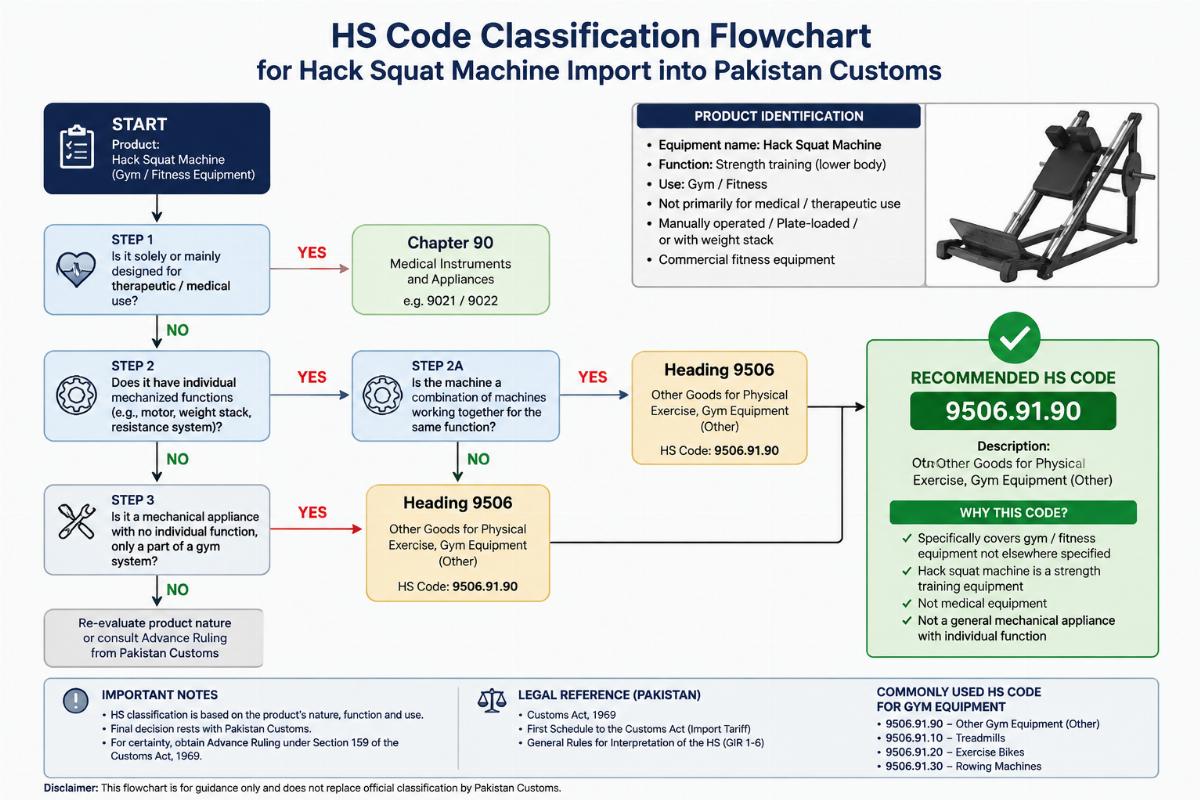
- HS Code: Must align with both the L/C and the destination country’s customs requirements. Mismatches here lead to clearance delays.
- Port of Loading and Discharge: Must be specified precisely. Vague terms like "Main Port China" are often rejected.
- Latest Shipment Date: The bill of lading date must not exceed this date.
When preparing documents for L/C at Sight terms fitness equipment, every detail matters. A missing comma, a different abbreviation for "kilograms," or a slight variation in the beneficiary’s address can trigger a discrepancy notice. These notices require amendment fees and time, during which the goods may sit at the port accruing demurrage charges.
How Do Minor Errors Cause Major Delays?
A single clerical error can freeze funds for weeks, impacting cash flow and project timelines.
Consider a recent case involving a Middle East gym project. The order included multiple cable crossover units and strength machines. The letter of credit specified the product description as per the proforma invoice. However, the commercial invoice listed the model numbers using the buyer’s internal purchase order codes rather than the manufacturer’s standard product names. While the items were identical, the bank flagged this as a discrepancy.
The result was a twenty-day delay in payment. During this period, the manufacturer had to cover raw material costs and worker wages without the expected inflow of cash. For the buyer, the delay meant the gym opening was postponed, leading to lost membership revenue. This scenario highlights why L/C at Sight terms fitness equipment requires meticulous attention to detail. The cost of correcting such errors often exceeds the savings gained from negotiating lower prices elsewhere. [NEED_CITE: Case study analysis of documentary discrepancies in sports equipment exports]
Another common issue involves HS codes. In a hotel chain order, the L/C specified an HS code for general exercise equipment, but the customs declaration in the destination country required a more specific code for commercial-grade machines. This mismatch caused the goods to be held at the destination port, incurring storage fees and delaying installation. Such issues are preventable with pre-shipment verification.
What Steps Ensure Smooth Payment Execution?
Pre-shipment document review and proactive bank communication prevent most discrepancies.
To avoid the pitfalls associated with L/C at Sight terms fitness equipment, buyers and sellers should adopt a rigorous review process. This begins before the L/C is issued. The buyer should ensure that the terms are realistic and achievable, particularly regarding shipment dates and document requirements. Unrealistic lead times often force manufacturers to ship late, resulting in automatic discrepancies.
Once the L/C is received, the manufacturer should review it against the sales contract. Any ambiguous terms or impossible requirements should be amended immediately. Before shipment, a draft of all documents should be prepared and shared with the buyer for approval. This step allows both parties to catch errors early, avoiding formal bank rejections later.
Key steps include:
- Verify L/C Terms: Ensure all conditions are clear and achievable.
- Draft Documents Early: Prepare invoices and packing lists before shipment to check for consistency.
- Cross-Check Details: Match model numbers, quantities, and weights across all documents.
- Confirm HS Codes: Align with both the L/C and destination customs regulations.
- Review Bill of Lading: Ensure the carrier’s details match the L/C requirements exactly.
In my experience, taking the time to review these details saves far more than the hours invested. It prevents the stress of frozen funds and ensures that the gym equipment arrives on time, ready for installation. For complex orders involving multiple types of machinery, such as cardio equipment and free weights, this diligence is even more critical. Each item must be documented correctly to avoid partial shipment issues or description mismatches.
Conclusion
Document consistency is the currency of L/C at Sight transactions.
Success in using L/C at Sight terms fitness equipment depends not on the physical quality of the goods alone, but on the precision of the accompanying paperwork. By understanding that banks examine documents rather than products, buyers and sellers can focus their efforts on ensuring absolute alignment in descriptions, codes, and dates. This approach minimizes delays, protects cash flow, and ensures that gym projects proceed without financial interruption.