Cadillac Reformer Blanket Order Terms: OEM Wholesale Supplier
Blanket orders do not simplify customs; they complicate it if the SKU breakdown is vague.
A properly structured Blanket Order Terms agreement is not merely a price-locking mechanism for long-term gym equipment procurement. It is a logistical framework that pre-defines HS code classifications, batch shipment protocols, and OEM labeling standards to prevent customs penalties and port demurrage. Without these specific clauses, each partial delivery faces re-evaluation risks, turning a cost-saving strategy into a financial liability.
I still recall the humidity of the Lagos port office, the air thick with the smell of diesel and stagnant water. A client had imported a container labeled simply as "Gym Equipment." To the local customs officer, this vague description justified classifying the entire cargo under the highest possible duty bracket for miscellaneous machinery. The result was not just a doubled tax bill but weeks of detention. The cargo sat idle while lawyers argued over whether a treadmill counted as an electrical appliance or a sports device. That delay cost more in demurrage than the profit margin on the entire sale. This is why I approach every Blanket Order Terms negotiation with a focus on granular detail rather than broad strokes. [NEED_CITE: impact of vague commodity descriptions on customs clearance times]
The transition from a single purchase order to a recurring supply agreement requires a shift in mindset. Buyers often assume that once the initial sample is approved, the subsequent batches will flow smoothly. However, without explicit terms governing how those batches are documented and shipped, inconsistencies arise. These inconsistencies trigger inspections, delays, and sometimes, the rejection of goods due to perceived non-compliance with safety standards. Understanding the mechanics of Blanket Order Terms is essential for any procurement manager aiming to secure a reliable supply chain for commercial fitness infrastructure.
Why Do Blanket Orders Fail at Customs?
Vague product descriptions lead to arbitrary classification and significantly higher duties.
When a buyer signs a blanket agreement, they often overlook the importance of defining the exact nomenclature for each item. Customs authorities worldwide rely on precise descriptions to assign Harmonized System (HS) codes. If a Blanket Order Terms contract lists items generically, such as "strength machines" or "cardio units," customs brokers are forced to make assumptions. These assumptions rarely favor the importer.
Consider the case of a European hotel chain that sourced a mixed container of fitness gear. Their blanket order did not specify the individual technical specifications for each machine. When the first batch arrived, the CE certificates provided by the manufacturer did not match the specific model numbers listed on the commercial invoice because the models had been updated mid-production. The mismatch caused a thirty-day delay while the buyer scrambled to obtain revised documentation. [NEED_CITE: common causes of customs delays for fitness equipment in the EU]
The root cause here was not malicious intent but a lack of structural clarity in the Blanket Order Terms. A robust agreement must include a clause that mandates the supplier to provide updated technical data sheets and compliance certificates for every batch, regardless of minor model revisions. This ensures that the documentation traveling with the cargo always reflects the physical goods inside. Without this, the buyer is left vulnerable to administrative bottlenecks that can halt operations before they even begin.
Furthermore, inconsistent labeling exacerbates these issues. Buyers often view OEM branding as a mere aesthetic choice. In reality, the placement and durability of labels are critical for customs verification. If a batch of reformers arrives with logos placed differently than the previous shipment, inspectors may suspect counterfeit goods or unauthorized parallel imports. This triggers a deeper inspection, leading to further delays. Therefore, Blanket Order Terms must explicitly define the labeling protocol, including the exact position, size, and material of the brand markings.
How to Structure HS Codes for Mixed Gym Equipment?
Pre-assigning HS codes for cardio versus strength equipment ensures consistent clearance and optimal duty rates.
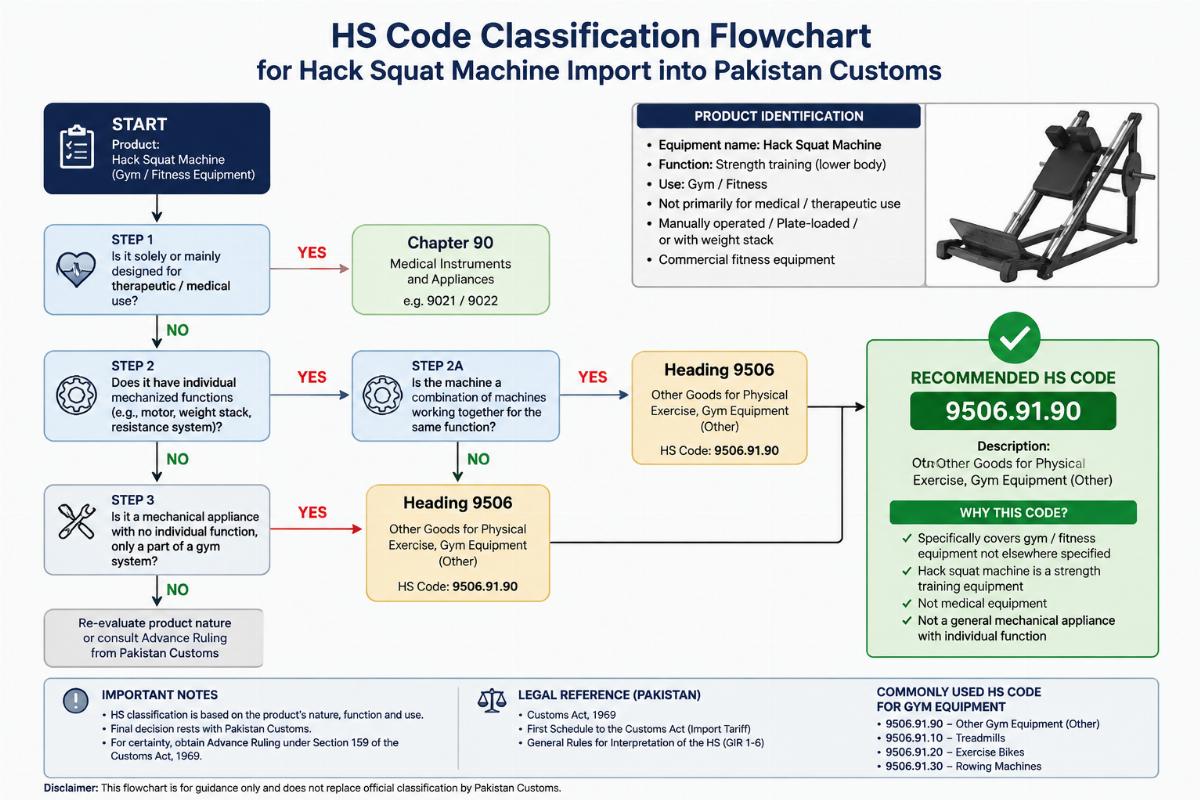
One of the most frequent errors in international fitness equipment trade is the misclassification of mixed containers. Cardio machines and strength equipment often fall under different HS chapters, carrying different duty rates. For instance, certain electronic cardio devices may be classified under heading 8479, while mechanical strength apparatus might fall under 9506. A US distributor once faced a fifteen percent tariff difference because their supplier grouped all items under a single, incorrect code. [NEED_CITE: HS code classification differences between cardio and strength fitness equipment]
To avoid this, Blanket Order Terms should include a predefined matrix that maps every SKU to its correct HS code. This matrix becomes part of the contract, binding both parties to use these classifications for all future shipments. This pre-alignment eliminates the need for brokers to guess during clearance, reducing the risk of post-clearance audits and penalties.
| Equipment Category | Typical HS Heading Range | Documentation Requirement | Risk Level if Undefined |
|---|---|---|---|
| Electronic Cardio (Treadmills, Ellipticals) | 8479 / 9506 | CE/FCC Certification, Electrical Safety Test Reports | High |
| Mechanical Strength (Racks, Benches) | 9506 | Material Composition Certificate, Load Test Data | Medium |
| Free Weights (Dumbbells, Plates) | 9506 | Weight Accuracy Certification, Material Safety Data Sheet | Low |
| Functional Gear (Ropes, Boxes) | 9506 / 3926 | None typically required unless branded | Low |
This table illustrates the varying levels of scrutiny different categories face. By embedding this structure into the Blanket Order Terms, buyers ensure that each item is treated according to its specific regulatory requirements. It also allows for better financial forecasting, as duty costs become predictable rather than variable.
Moreover, splitting mixed containers strategically can optimize logistics. Instead of randomly packing items, suppliers should group goods by their HS code requirements where possible. This simplifies the unloading and inspection process at the destination port. If a container holds only strength equipment, the customs review is faster and less likely to involve electrical safety experts. This logistical nuance is often overlooked but can save significant time and money.
What Are the Critical Clauses for Batch Shipments?
Defining packaging standards and document update protocols for each partial delivery prevents operational disruptions.
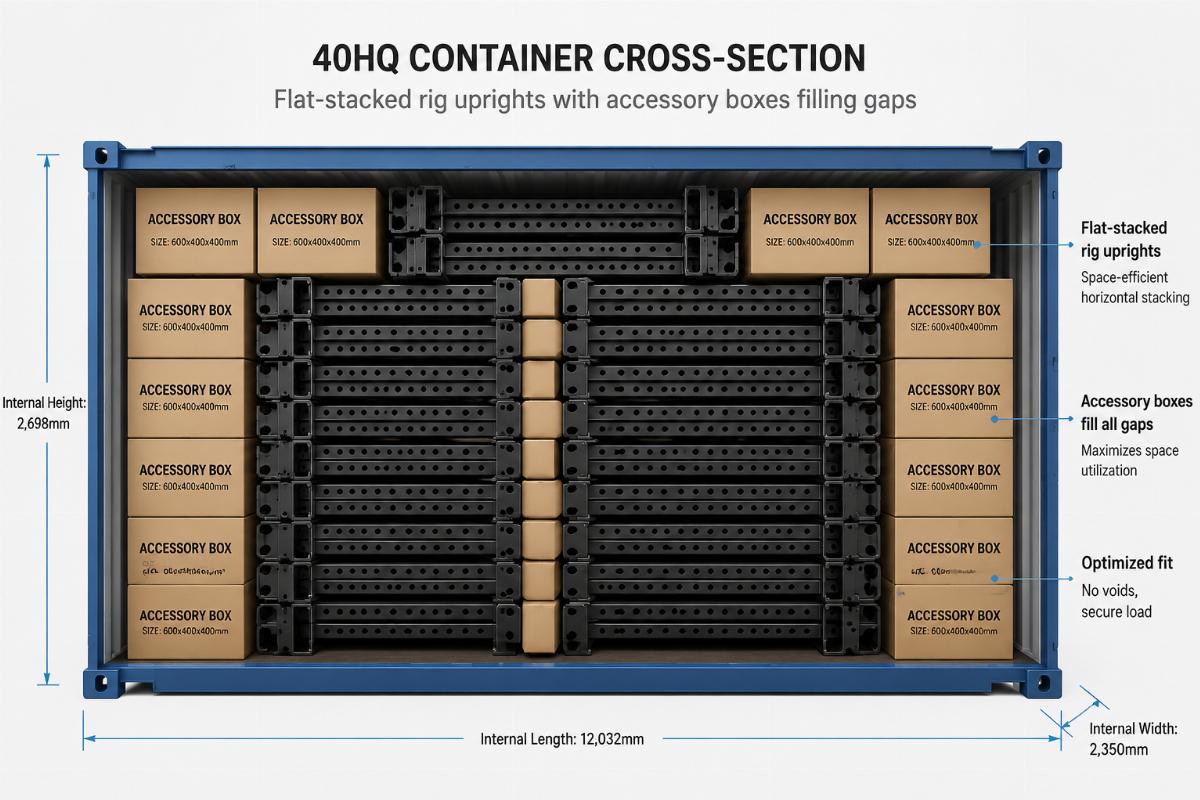
A blanket order is executed in batches, and each batch is a standalone logistical event. The failure to define the parameters for these events is a common pitfall. Blanket Order Terms must specify the packaging standards for each shipment. This includes the type of pallets used, the wrapping material, and the stacking configuration. Inconsistent packaging can lead to damage during transit, especially when goods are consolidated from different production runs.
A notable case involved a West African importer who received a batch of reformers with inadequate protective wrapping. The vague terms in their contract allowed the supplier to use standard export packaging, which was insufficient for the humid and rough handling conditions of the destination port. The resulting damage led to a dispute over warranty coverage, as the supplier claimed the damage was due to poor handling rather than defective packaging. [NEED_CITE: standards for export packaging of heavy fitness equipment]
To prevent such disputes, the contract should mandate specific packaging protocols, such as double-wrapped corners and moisture-resistant barriers. Additionally, the terms must outline the procedure for updating technical specifications. If the manufacturer makes a minor change to a component, such as switching to a different grade of steel for a frame, this must be communicated and documented before the next batch is shipped. This ensures that the buyer’s quality control team can verify the changes and update their own records accordingly.
Another critical clause relates to the timing of shipments. Blanket Order Terms should include a flexible scheduling mechanism that allows the buyer to request shipments based on their inventory levels and market demand. This prevents the accumulation of excess stock and reduces warehousing costs. However, this flexibility must be balanced with the supplier’s production capacity, requiring clear notice periods and cancellation policies.
How to Manage OEM Branding Consistency Across Batches?
Standardizing label placement and design across all batches avoids customs suspicion and maintains brand integrity.
For buyers who private-label their equipment, consistency is key. Inconsistent branding across different batches can raise red flags with customs authorities, who may suspect that the goods are not genuine or are being diverted from another market. Blanket Order Terms must include detailed specifications for OEM branding, including the exact dimensions, colors, and placement of logos and serial numbers.
A boutique studio owner in Southeast Asia experienced this issue when their second batch of equipment arrived with logos printed in a slightly different shade of blue. While seemingly minor, this discrepancy caused a delay as customs officials questioned the authenticity of the goods. The buyer had to provide additional proof of authorization from the manufacturer, a process that took several weeks. [NEED_CITE: impact of branding inconsistencies on customs clearance for OEM goods]
To avoid this, the contract should require the supplier to provide pre-production samples of the branding for approval before each batch is manufactured. This ensures that any variations in printing or application are caught early. Additionally, the terms should specify the materials used for labeling, ensuring they are durable and resistant to wear and tear during shipping and use.
Furthermore, the placement of serial numbers is crucial for warranty tracking and inventory management. Blanket Order Terms should mandate that serial numbers are placed in a consistent, easily accessible location on each unit. This facilitates quick identification during inspections and simplifies the process of claiming warranty service if needed. It also helps in maintaining accurate records of which batches are deployed in which locations, aiding in long-term asset management.
Conclusion
Effective blanket orders are built on precision, not just price.
Structuring Blanket Order Terms requires a deep understanding of logistics, customs regulations, and quality control. By pre-defining HS codes, standardizing packaging, and enforcing strict OEM branding guidelines, buyers can transform a simple purchasing agreement into a robust supply chain strategy. This approach minimizes the risk of delays, penalties, and disputes, ensuring that the focus remains on growing the business rather than managing logistical crises.