
01 / Scenario
STUDIO
P
High-End Pilates Studios
Premium aesthetics meet quiet operation for boutique studio environments.
ISO
9001
CE
Certified
OEM
Available
10YR
Warranty
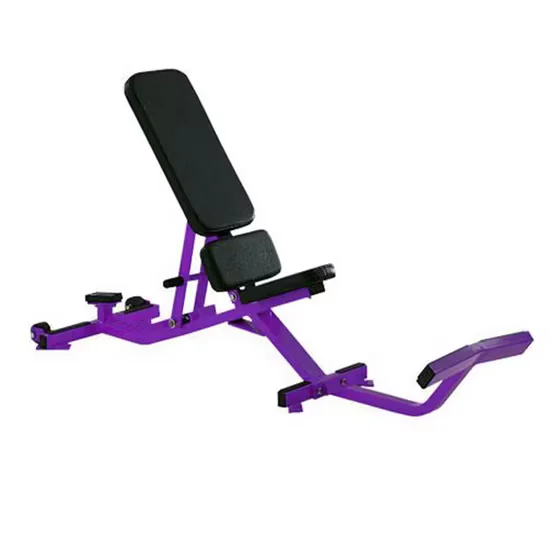
Commercial Adjustable Bench, Steel Frame, 38kg Net Weight, 1615×560×1450mm — built with multi-position adjustment mechanism for incline, decline, and flat training, engineered for high-traffic commercial gym environments with ISO9001 and CE certification. Every unit undergoes load testing before shipment, backed by 10-year frame warranty and factory-direct pricing with no middlemen.
// Spec Highlights
• Direct from Manufacturer · No Middlemen · Worldwide Shipping
01
// Material
Imported Solid Wood
Premium hardwood frames sourced for density and visual warmth.
02
// Hardware
Medical-Grade Silent
Whisper-quiet pulleys and springs for clinical environments.
03
// Customization
Appearance OEM
Color, upholstery, and branding tailored to your studio.
04
// Service
Layout Design
Free venue planning for studios and rehab institutions.
Every component is selected for longevity, performance, and aesthetic harmony - from imported hardwood frames to silent medical-grade accessories.
// Features
Mill-Certified 11-Gauge Frame — Q235 and Q345 steel coils traceable to source, cut by 6kW fiber laser at ±0.1mm tolerance, ensuring every Commercial Adjustable Bench meets structural specs without guesswork.
| Parameter | Value |
|---|---|
| Product Type | Adjustable Bench |
| Frame Material | 11-gauge Q235/Q345 steel |
| Frame Tube Size | 3×3 inch rectangular |
| Welding Method | Robotic continuous MIG |
| Product Dimensions | 1615×560×1450mm |
| Net Weight | 38kg |
| Adjustment Positions | Multiple incline/decline angles |
| Powder Coating | 200μm scratch-resistant finish |
| Certification | ISO 9001, CE |
| Warranty | 10-year frame |
| Facility Type | Typical Use |
|---|---|
| Commercial gym strength floor | Primary bench for dumbbell and barbell pressing in free weight zones |
| University strength and conditioning room | Athletic team training with heavy incline and flat bench movements |
| Hotel and resort fitness center | Durable adjustable option for guests with varied training needs |
| Crossfit box functional zone | Support station for accessory pressing work between metabolic sessions |
| Rehabilitation and performance center | Controlled incline positions for progressive upper body recovery work |
True structural integrity starts with verifiable material specifications, not marketing labels.
The fitness equipment market is saturated with benches branded as "commercial grade" while the actual steel gauge and tube wall thickness remain unspecified. Gym owners purchase these units expecting durability, only to discover frame deformation or weld cracking within the first year of heavy use. The problem is not the steel itself but the absence of traceable certification from the rolling mill to the finished frame. When a facility runs six days a week with members loading heavy dumbbells and barbells, the difference between a documented 11-gauge frame and an unverified alternative becomes visible in the form of twisted uprights and cracked joints. [NEED_CITE: EN 957 structural requirements for stationary training equipment]
The adjustable bench occupies a central role in any commercial strength floor, bridging flat bench work and incline pressing to cover the anterior deltoid, pectoral, and triceps muscle groups through multiple angles. In a typical gym layout, it pairs directly with dumbbell racks, plate-loaded stations, and power racks to form a complete pressing ecosystem. Facilities with high member density benefit from placing multiple units with adequate lateral spacing, allowing simultaneous use without compromising safe loading and unloading zones. The multi-position adjustment accommodates users across a wide range of torso lengths and limb proportions, making the commercial adjustable bench gym equipment a high-traffic anchor on the strength floor.
Every adjustment cycle, every loaded repetition, and every repositioning drag across the floor subjects the frame to compounded stress. The adjustment pins and latch mechanisms endure repeated shear force each time a member changes the backrest angle, often under loaded conditions. The rear stabilizer feet absorb impact when users drop heavy dumbbells at the end of a set, creating shock loads that travel up through the base tubing. [NEED_CITE: weld classification and fatigue performance in structural steel] Weld integrity at the junction of the upright support and the base frame determines whether the bench survives thousands of such cycles or develops hairline fractures that grow under continued use. The powder coating on high-contact areas — adjustment knobs, foot pads, and frame contact points — must resist abrasion from shoes, knurling, and cleaning chemicals applied daily by maintenance staff.
The 11-gauge steel specification means the frame tube wall is approximately 3mm thick, providing a deformation threshold that handles loaded dumbbell pressing and heavy barbell work without visible flex. The 3×3 inch rectangular tube cross-section creates a broad moment of inertia, resisting bending in both the lateral and vertical planes during off-center loading. Robotic continuous MIG welding eliminates the weak points inherent in spot-welded assemblies — a continuous weld bead distributes stress along the entire joint rather than concentrating it at discrete weld spots. The 200μm powder coating applied over sandblasted steel creates a barrier against sweat corrosion and cleaning agent degradation, extending the time between cosmetic refurbishment. Multiple adjustment positions allow the backrest to lock securely at various incline angles, with the pin-and-latch mechanism engineered to hold position under eccentric loading without drift or slippage.
Benches built with thin-wall tubing and spot-welded joints may pass initial visual inspection but begin revealing their limitations within months of commercial deployment. Spot welds at the upright-to-base junction crack under repeated heavy loading, creating liability exposure when a bench fails during use. Low-density upholstery compresses and splits under daily commercial traffic, forcing facility managers into a cycle of reupholstering or replacing entire units. Non-industrial powder coating chips at contact points where shoes and knurled bars repeatedly strike the frame, exposing bare steel to corrosion. When the adjustment mechanism wears out on a bench sourced from a supplier without replacement parts inventory, the entire unit becomes dead weight on the gym floor. [NEED_CITE: commercial equipment total cost of ownership and replacement cycles]
The 11-gauge steel frame with mill-traceable certification means procurement teams can verify material specifications before the first unit ships, eliminating the guesswork that plagues generic commercial bench sourcing. Robotic continuous MIG welding produces joint integrity that survives years of adjustment cycling and heavy loading without the hairline fractures common in spot-welded assemblies. Each unit undergoes load testing before shipment, providing documented evidence that the bench meets its rated capacity rather than relying on sample-batch testing. The 200μm scratch-resistant powder coating maintains appearance through daily cleaning routines and high-contact use in commercial environments. The 10-year frame warranty reflects structural confidence rather than a marketing claim, and the 2D-3D floor planning CAD support ensures this commercial adjustable bench gym equipment is positioned with correct clearance spacing for safe member traffic flow. OEM private label options allow chain operators to maintain brand consistency across multiple facility locations.
Provide your free weight zone dimensions and current equipment roster to receive a 2D-3D floor plan that positions each bench with verified safe clearance. Specify your facility’s average daily user volume so the structural grade matches actual traffic demands. Communicate the body type range of your primary membership to confirm the adjustment positions cover necessary incline and flat angles. Indicate any custom requirements including frame color, logo application, or upholstery density preference for brand alignment across your gym floor.
Q: How can gym buyers tell a true commercial-grade adjustable bench from a light commercial one?
A: Request the steel gauge specification with mill certification traceable to the coil source. Light commercial benches typically use thinner tube walls and spot-welded joints that pass visual inspection but crack under sustained heavy use. A true commercial bench documents its frame material, welding method, and load testing protocol for each unit shipped, not just sample batches.
Q: What steel gauge and tube dimensions are necessary for heavy barbell and dumbbell pressing?
A: An 11-gauge frame with 3×3 inch rectangular tubing provides the cross-sectional area needed to resist deformation under loaded pressing movements. Thinner gauges and smaller tube profiles may appear adequate at lower loads but develop visible flex and eventual structural fatigue when commercial gym members load heavy dumbbells repeatedly throughout daily training sessions.
Q: How many adjustment positions should a commercial adjustable bench provide?
A: The number of positions should cover flat through steep incline angles to accommodate the full range of pressing exercises members perform. More important than raw position count is the locking mechanism quality — each position must hold securely under eccentric loading without drift. Verify that the pin-and-latch system is rated for commercial load cycles rather than residential use patterns.
Q: What spacing should be maintained between adjustable benches on a commercial gym floor?
A: A minimum of 600mm lateral clearance between units allows members to load and unload dumbbells safely without encroaching on adjacent stations. This spacing also provides maintenance access for bolt inspection and upholstery replacement. Floor planning CAD support from the manufacturer helps position benches with verified clearances that account for user movement patterns during heavy sets.
Q: How often does upholstery on a commercial adjustable bench need replacement?
A: Upholstery lifespan depends on foam density, vinyl thickness, and daily traffic volume. High-density commercial foam retains shape through years of use, while lower-density alternatives compress and split within months. Specify replacement pad availability from the manufacturer before purchasing, as benches without a documented parts supply force complete unit replacement when upholstery fails.
Premium aesthetics meet quiet operation for boutique studio environments.
Medical-grade silence and precision for sports & postpartum recovery.
Furniture-grade craftsmanship for premium residential installations.
Compact premium setups for one-on-one and small-group training.
Aesthetic Pilates integration for hybrid wellness studio programming.
Multi-unit deployment with instructor-grade reliability for certification programs.
Tell us about your project. Our team will respond within 24 hours with pricing, customization options, and shipping details.
// Sales Director
William
+86 132 2531 1800
// Export Manager
Bella
+86 198 5412 8032
william@bickfit.com


