01 / Scenario
STUDIO
P
High-End Pilates Studios
Premium aesthetics meet quiet operation for boutique studio environments.
ISO
9001
CE
Certified
OEM
Available
10YR
Warranty
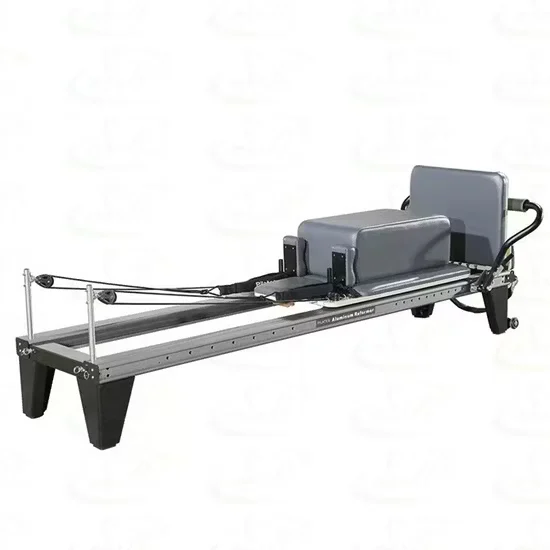
Folding Pilates Reformer, Aluminium Frame, 2570×730×270mm — engineered with 90 kg net weight for vibration-free carriage glide, includes long box, jump board, and platform accessories for versatile studio programming. Spring resistance and sealed carriage rails support progressive loading across rehabilitation and commercial training environments. Each unit undergoes carriage load testing and folding hinge durability validation before shipment.
// Spec Highlights
• Direct from Manufacturer · No Middlemen · Worldwide Shipping
01
// Material
Imported Solid Wood
Premium hardwood frames sourced for density and visual warmth.
02
// Hardware
Medical-Grade Silent
Whisper-quiet pulleys and springs for clinical environments.
03
// Customization
Appearance OEM
Color, upholstery, and branding tailored to your studio.
04
// Service
Layout Design
Free venue planning for studios and rehab institutions.
Every component is selected for longevity, performance, and aesthetic harmony - from imported hardwood frames to silent medical-grade accessories.
// Features
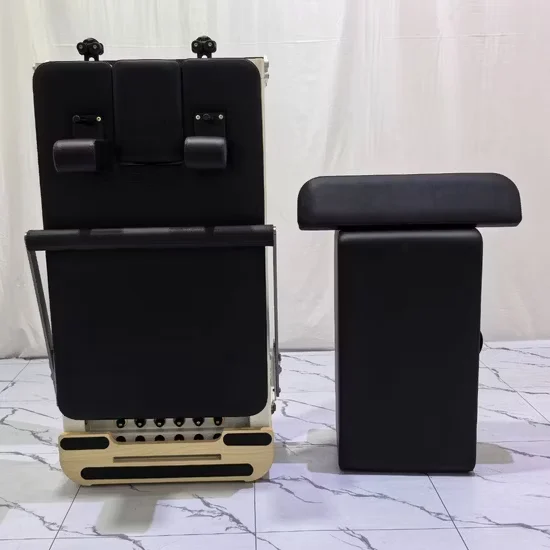
Foldable Without Compromise — every hinge pin and rail clearance is checked before this reformer leaves the factory floor.
| Parameter | Value |
|---|---|
| Product Type | Folding Pilates Reformer |
| Model NO. | SRY-12A |
| Frame Material | Aluminium alloy extrusion |
| Product Dimensions | 2570 × 730 × 270 mm |
| Net Weight | 90 kg |
| Accessories Included | Long Box / Jump Board / Platform |
| Color | White |
| Logo | Customized is allowed |
| Warranty Time | 3 Years |
| Production Capacity | 80 Pieces / Month |
| Facility Type | Typical Use |
|---|---|
| Boutique Pilates studio | Daily group reformer classes with fold-away storage between sessions |
| Rehabilitation and physiotherapy center | Low-impact therapeutic movement with adjustable spring resistance |
| Hotel and resort fitness suite | Compact in-room or shared wellness area deployment |
| Personal training studio | One-on-one session work with long box and jump board accessories |
Wall thickness and profile shape determine whether the carriage glides or wobbles under a loaded footwork sequence.
A folding commercial Pilates reformer machine that flexes during push-through movements is not a portability win — it is a maintenance liability. Thin-walled aluminium extrusions deflect under off-center loading, causing the carriage wheels to bind against the rail. Within months of studio-level use, that binding accelerates rail wear and introduces lateral play that no amount of bolt-tightening corrects. [NEED_CITE: structural deflection limits for aluminium extrusion profiles under cyclic loading]
The SRY-12A covers supine, prone, seated, and standing movement planes targeting the core, lower-limb chain, and shoulder stabilizers. In a studio layout, it pairs with a Cadillac or tower unit for clients progressing beyond reformer-only routines, and complements mat stations for warm-up sequences. The folding footprint suits facilities running four to six reformer classes daily where between-session floor clearance matters. Users ranging from adolescent athletes to older rehabilitation clients can work within the spring resistance configuration and platform positioning. This commercial folding Pilates reformer machine fits density-conscious floors without sacrificing the working length needed for full-range footwork.
Every fold-and-deploy cycle applies shear force through the hinge pin and its bore. When bore tolerance drifts even fractionally, repeated cycles compound the looseness into visible carriage wobble. The carriage rail sustains continuous rolling contact stress, and any misalignment from hinge wear transfers directly to the wheel-to-rail interface. Sweat and cleaning agents in a studio environment accelerate surface corrosion on unprotected fasteners and can degrade low-grade wheel bushings. [NEED_CITE: fatigue behavior of aluminium alloy hinge mechanisms under repeated articulation] The upholstery on the carriage platform endures compression cycling from hundreds of daily repetitions, and low-density padding compresses permanently within weeks of commercial throughput.
The 90 kg net weight signals a frame mass consistent with thicker aluminium extrusion walls rather than hollow thin-wall profiles that save weight at the cost of rigidity. The 2570 mm overall length provides adequate carriage travel for tall users performing long-stroke footwork, while the 730 mm width accommodates shoulder-width positioning during supine arm work. Aluminium alloy as a frame material offers corrosion resistance in humid studio environments but requires proper alloy grade verification — not all extrusion grades carry the same yield threshold. The included long box, jump board, and platform accessories cover the standard movement library without forcing separate purchases. Spring resistance configuration and attachment points define how progressive loading feels across beginner to advanced user levels.
An aluminium frame that saves material cost through thinner walls will deflect noticeably during loaded leg presses, and that flex transmits into carriage rail misalignment over time. A hinge bore machined half a millimeter off-spec will not show up during a showroom demo but loosens with every fold cycle until the entire mechanism requires field rework. Non-sealed carriage wheels accumulate dust and fibre from studio flooring, developing drag and noise that forces bearing replacement far earlier than sealed alternatives. Low-density upholstery splits along seam lines under daily commercial compression, and without replacement pad availability the entire carriage must be reupholstered at significant downtime. [NEED_CITE: comparative maintenance intervals for sealed versus unsealed linear motion bearings]
The aluminium frame is checked for rail alignment and hinge clearance before shipment, addressing the tolerance failures that plague folding reformer batches in the field. Each unit ships with long box, jump board, and platform accessories to cover the full class repertoire without accessory backorders. The 3-year warranty reflects confidence in hinge mechanism durability and carriage system longevity under studio throughput. For space-constrained studios, the folding design with verified hinge fit means equipment stores vertically without the structural compromise that typically accompanies foldable frames. OEM logo customization allows brand consistency across a multi-unit studio rollout.
Share your studio floor area and class schedule density to receive a layout plan that accounts for folded and deployed clearances. Specify daily user volume so the spring resistance configuration matches your client mix from rehabilitation to advanced athletic populations. Confirm upholstery color and logo customization requirements early to align production with your opening or renovation timeline.
Q: How do I evaluate a commercial-grade folding reformer against a light-commercial one?
A: Check the aluminium extrusion wall thickness and ask for mill certification rather than accepting generic "commercial grade" claims. Inspect the hinge mechanism bore tolerance and confirm that carriage rail alignment is verified per unit before shipment. Commercial-grade units should carry a warranty structured around studio-level daily use, not occasional home sessions.
Q: Why does aluminium frame gauge matter for carriage stability?
A: Thicker extrusion walls resist deflection when users push off the footbar or load the carriage during footwork sequences. A frame that flexes under load transfers that movement to the rail system, causing the carriage wheels to bind and wear unevenly. Over months of studio classes, this deflection compounds into persistent carriage play that bolt adjustments cannot fix.
Q: What should I check about the folding hinge mechanism before purchasing?
A: Verify the hinge pin diameter matches the bore specification within tight tolerance and that the mechanism locks securely in both deployed and folded positions. Ask for fold-cycle durability test data showing the hinge maintains rigidity after repeated articulation. A poorly fitted hinge loosens progressively and degrades carriage alignment across the entire frame.
Q: How does spring resistance selection affect different user levels?
A: Lighter spring tension suits rehabilitation clients and beginners working through controlled range-of-motion exercises, while heavier resistance challenges athletes performing explosive jump board work. Confirm that the reformer offers multiple spring attachment points so instructors can progress clients without swapping hardware. Spring fatigue life should be documented to ensure consistent resistance feel across months of daily use.
Q: Are replacement accessories and upholstery parts available long-term?
A: Confirm that long box, jump board, platform, and carriage upholstery pads are stocked as replacement parts rather than discontinued after initial sale. Studios running high-frequency classes will need pad replacement as upholstery compresses under daily use. Securing a parts supply agreement at purchase prevents equipment downtime when components reach end of service life.
Premium aesthetics meet quiet operation for boutique studio environments.
Medical-grade silence and precision for sports & postpartum recovery.
Furniture-grade craftsmanship for premium residential installations.
Compact premium setups for one-on-one and small-group training.
Aesthetic Pilates integration for hybrid wellness studio programming.
Multi-unit deployment with instructor-grade reliability for certification programs.
Tell us about your project. Our team will respond within 24 hours with pricing, customization options, and shipping details.
// Sales Director
William
+86 132 2531 1800
// Export Manager
Bella
+86 198 5412 8032
william@bickfit.com