01 / Scenario
STUDIO
P
High-End Pilates Studios
Premium aesthetics meet quiet operation for boutique studio environments.

ISO
9001
CE
Certified
OEM
Available
10YR
Warranty
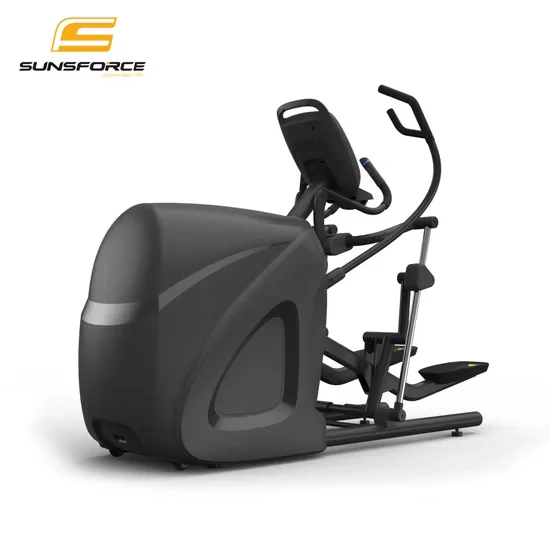
Commercial Elliptical Cross Trainer, 10.1" Touch Screen Console, 180kg Max User Weight — engineered with 240kg net weight for structural stability during high-traffic daily use. Magnetic resistance system delivers 25 levels with 10 stride grades and 15 step depth adjustments, eliminating contact wear components for extended maintenance cycles. Every unit undergoes load testing before shipment, backed by a 10-year frame warranty with floor planning support.
// Spec Highlights
• Direct from Manufacturer · No Middlemen · Worldwide Shipping
01
// Material
Imported Solid Wood
Premium hardwood frames sourced for density and visual warmth.
02
// Hardware
Medical-Grade Silent
Whisper-quiet pulleys and springs for clinical environments.
03
// Customization
Appearance OEM
Color, upholstery, and branding tailored to your studio.
04
// Service
Layout Design
Free venue planning for studios and rehab institutions.
Every component is selected for longevity, performance, and aesthetic harmony - from imported hardwood frames to silent medical-grade accessories.
// Features
Robotic Continuous Welds — Every frame joint on this commercial elliptical cross trainer magnetic resistance unit is welded with robotic MIG for continuous lines, eliminating the spot-weld weak points that crack under high-traffic cycling loads.
| Parameter | Value |
|---|---|
| Product Type | Commercial Elliptical Cross Trainer |
| Console Type | 10.1" Touch Screen |
| Resistance System | Magnetic Resistance |
| Resistance Levels | 1–25 |
| Stride Grade | 1–10 |
| Step Depth Grade | 1–15 |
| Pedal Center Distance | 230mm |
| Max User Weight | 180kg |
| Net Weight | 240kg |
| Product Dimensions | 2120 × 790 × 1680mm |
| Certification | ISO, CE, EN 957, RoHS |
| Facility Type | Typical Use |
|---|---|
| Commercial Gym Cardio Zone | High-density deployment alongside treadmills and rowers for peak-hour traffic |
| Hotel & Resort Fitness Center | Low-maintenance magnetic resistance for 24/7 guest access |
| University Athletic Facility | Structurally rated for varsity athlete body weights and training volume |
| Corporate Wellness Center | Quiet magnetic drive suitable for open-plan office-adjacent rooms |
Magnetic resistance eliminates the belt-and-pulley wear path that degrades stride quality within months of commercial deployment.
I spent years on gym floors watching commercial elliptical cross trainer magnetic resistance units get pulled from service because the stride went loose. The culprit was never the resistance mechanism — it was unsealed bearings letting contamination in, and low-grade pulleys developing play that transferred directly to the pedal path. Once the elliptical path loses its geometric precision, users feel it as a wobble at higher cadences, and maintenance calls pile up. This unit addresses that failure mode with sealed industrial bearings and aircraft-cable pulley routing, so the stride geometry stays true through thousands of daily cycles. [NEED_CITE: bearing seal classification and contamination ingress in fitness equipment]
This commercial elliptical cross trainer magnetic resistance unit covers the sagittal plane with simultaneous upper and lower body engagement, targeting quadriceps, glutes, hamstrings, and the pushing and pulling musculature of the upper back and arms. The 230mm pedal center distance aligns with natural hip-width stance, reducing lateral knee stress across a broad user height range. In a cardio zone layout, it complements self-powered treadmills and air bikes by offering a zero-impact alternative that still delivers high caloric expenditure. The 10.1" touch screen console provides 25 resistance levels and 10 stride grades, letting users from rehabilitation clients to conditioned athletes find appropriate loading without hardware swaps.
The 240kg net weight anchors the unit against the dynamic forces generated during high-cadence elliptical motion, where both feet leave the pedal path apex simultaneously, creating alternating eccentric loads on the frame joints. The robotic MIG welding produces continuous weld seams at every structural junction, distributing these cyclic stresses along the full joint length rather than concentrating them at discrete spot-weld points. Sealed industrial bearings at the crank and flywheel axles resist contamination from sweat, floor dust, and cleaning chemicals that degrade unsealed bushings within the first year of heavy use. The 200μm powder coating withstands repeated wiping with gym-grade disinfectants without chipping at high-contact grip and console areas. [NEED_CITE: weld classification and fatigue performance in structural steel]
The 180kg maximum user weight rating reflects the load capacity of the 3×3 inch frame tubing and the continuous-weld joint geometry, not a marketing estimate. Magnetic resistance systems use a variable air gap between permanent magnets and the flywheel — there is no physical contact, no belt stretch, and no friction pad wear, which fundamentally changes the maintenance profile compared to belt-driven alternatives. The 10.1" touch screen console integrates resistance and stride adjustment electronically, replacing mechanical pin-and-ladder systems that loosen over time. The 230mm pedal center distance is set by the crank arm geometry and cannot be adjusted, so it must match the target user population’s anthropometric range during facility planning.
Thin-wall frame tubing deflects visibly under a 180kg user at high cadence, and that deflection transfers directly to the stride path, creating the wobble that users describe as a "loose" machine. Spot-welded joints crack along the heat-affected zone after repeated cyclic loading, and the failure is often internal — invisible until the frame shifts under a user’s full weight. Unsealed bearings let sweat and dust reach the rolling elements, generating noise and play that no amount of external lubrication can fix. Low-density upholstery compresses permanently within months of daily use, and when the foam collapses, the vinyl cover splits at the seam, requiring full replacement rather than a simple cover swap. [NEED_CITE: powder coating adhesion standards for high-contact fitness equipment surfaces]
Every commercial elliptical cross trainer magnetic resistance unit undergoes individual load testing at the Ningjin plant before shipment — not sample-based batch testing, but a structural validation of each frame and drivetrain. The 10-year frame warranty reflects confidence in the 11-gauge steel, the robotic continuous welds, and the 200μm industrial powder coating system. BICKFIT provides 2D-3D CAD floor planning support, so this unit’s 2120 × 790 × 1680mm footprint and required safety clearances are integrated into your cardio zone layout before a single unit ships. OEM private label and custom upholstery colorways are available for chain operators standardizing across multiple locations.
Provide your cardio zone dimensions and target unit count to receive a 2D-3D CAD layout showing this commercial elliptical cross trainer magnetic resistance unit’s placement relative to safety clearances and traffic flow. Specify your expected daily user volume so the structural grade can be confirmed against your traffic profile. If your chain requires branded console interfaces, custom upholstery colorways, or private-label badging, include those parameters in the inquiry.
Q: How does magnetic resistance differ from belt-driven systems in a high-traffic commercial setting?
A: Magnetic resistance uses a variable air gap between permanent magnets and the flywheel with no physical contact, eliminating belt stretch, friction pad wear, and the associated maintenance intervals. In a facility running 8+ hours daily, this means no belt replacements, no tension adjustments, and consistent resistance feel across the full 1–25 level range without mechanical degradation over time.
Q: What structural features prevent the stride path from developing play over time?
A: Sealed industrial bearings at the crank and flywheel axles prevent contamination ingress from sweat and floor dust, which is the primary cause of bearing wear and subsequent stride looseness. The robotic MIG continuous welds at all frame joints distribute cyclic pedal loads evenly, avoiding the stress concentration points where spot-welded frames develop micro-cracks and geometric drift.
Q: How does the 230mm pedal center distance affect user comfort across different body sizes?
A: The 230mm pedal center distance aligns with the natural hip-width stance of most adult users, reducing lateral knee stress during the elliptical stride cycle. Combined with the 10-level stride grade adjustment on the 10.1" touch screen console, it accommodates users from approximately 155cm to 195cm in height without requiring mechanical hardware changes between sessions.
Q: What floor space and clearance does this unit require in a commercial layout?
A: The unit footprint is 2120 × 790 × 1680mm. BICKFIT recommends a minimum 600mm rear clearance for safe rear-dismount access and 300mm side clearance between adjacent units. A 2D-3D CAD floor plan is provided with every order to integrate these clearances into your overall cardio zone layout before shipment.
Premium aesthetics meet quiet operation for boutique studio environments.
Medical-grade silence and precision for sports & postpartum recovery.
Furniture-grade craftsmanship for premium residential installations.
Compact premium setups for one-on-one and small-group training.
Aesthetic Pilates integration for hybrid wellness studio programming.
Multi-unit deployment with instructor-grade reliability for certification programs.
Tell us about your project. Our team will respond within 24 hours with pricing, customization options, and shipping details.
// Sales Director
William
+86 132 2531 1800
// Export Manager
Bella
+86 198 5412 8032
william@bickfit.com