01 / Scenario
STUDIO
P
High-End Pilates Studios
Premium aesthetics meet quiet operation for boutique studio environments.

ISO
9001
CE
Certified
OEM
Available
10YR
Warranty
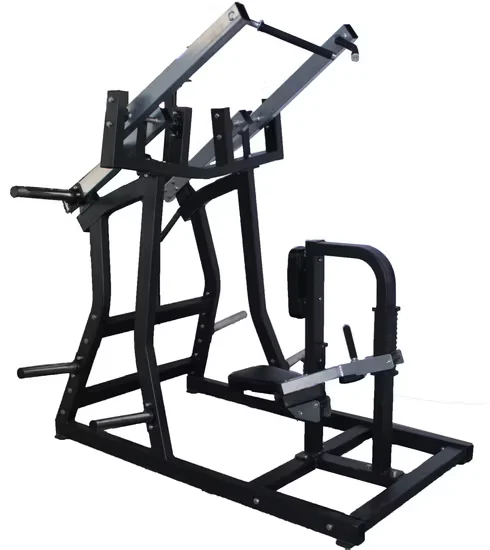
Ground Base Jammer Machine, 2092×1791×2252mm, 142kg Net Weight — engineered with steel frame construction for heavy-duty pressing movements in high-traffic commercial environments. Integrated trainer design eliminates plate loading while delivering stable, floor-mounted performance. ISO 9001 and CE certified with full OEM/ODM customization available for frame and cushion colors. Every unit undergoes individual load testing before shipment to ensure structural integrity under maximal pressing loads.
// Spec Highlights
• Direct from Manufacturer · No Middlemen · Worldwide Shipping
01
// Material
Imported Solid Wood
Premium hardwood frames sourced for density and visual warmth.
02
// Hardware
Medical-Grade Silent
Whisper-quiet pulleys and springs for clinical environments.
03
// Customization
Appearance OEM
Color, upholstery, and branding tailored to your studio.
04
// Service
Layout Design
Free venue planning for studios and rehab institutions.
Every component is selected for longevity, performance, and aesthetic harmony - from imported hardwood frames to silent medical-grade accessories.
// Features
Mill-Certified Steel — Every tube in this commercial ground base jammer machine traces back to the coil, with verifiable 11-gauge specifications you can audit before installation.
| Parameter | Value |
|---|---|
| Product Type | Ground Base Jammer |
| Frame Steel | 11-gauge, 3×3 inch structural tube |
| Steel Grade | Q235 and Q345 industrial steel, mill-certified |
| Welding Type | Robotic MIG, continuous weld lines |
| Load Capacity | Tested beyond 500kg |
| Product Dimensions | 2092×1791×2252mm |
| Net Weight | 142kg |
| Main Frame Color | Available in standard or custom color options |
| Cushion Color | Available in standard or high-density options |
| Powder Coating | 200μm scratch-resistant industrial finish |
| Certification | ISO 9001:2015, CE |
| Warranty | 10-year frame warranty |
| Facility Type | Typical Use |
|---|---|
| Commercial gym strength floor | High-volume pressing station for general membership and personal training |
| Professional fitness club | Primary integrated trainer for heavy compound movements |
| Hotel and resort fitness center | Durable standalone pressing unit for diverse guest usage patterns |
| University strength and conditioning room | Athletic team pressing work integrated into periodized programs |
| Rehabilitation and performance center | Controlled pressing environment for return-to-play protocols |
The frame rarely fails first — the welds do.
I have pulled apart enough jammer stations across Latin American commercial floors to see the pattern. When manufacturers quote "commercial grade" without naming the steel gauge or welding method, you are buying a structural guess. A commercial ground base jammer machine endures hundreds of eccentric pressing cycles daily, and spot welds at the upright-to-base junction crack long before the tubing itself yields [NEED_CITE: weld classification and fatigue performance in structural steel]. The visible steel looks identical in photos. The weld seam quality only reveals itself after six months of real loading.
This ground base jammer targets the horizontal and incline pressing planes, engaging pectoral, deltoid, and triceps musculature through a fixed movement arc. It complements free-weight bench stations by providing a controlled path that reduces spotter dependency during high-volume training blocks. The unit fits high-density commercial layouts where floor space dictates integrated trainers over plate-loaded alternatives. The fixed pivot geometry accommodates a wide range of user anthropometry without manual seat or arm adjustments. The commercial ground base jammer machine anchors the pressing section of any serious strength zone.
A jammer station absorbs both static hold loads and dynamic eccentric impacts as users decelerate the pressing arms at end range. In a facility running sixteen operational hours daily, that translates to thousands of fatigue cycles per month concentrated at the upright-to-gusset junctions. Unsealed bearings at the pivot axis accumulate chalk dust and sweat residue, developing rotational play that shifts load unevenly across the frame. The powder coating at handle contact points and adjustment collars faces constant abrasion and chemical exposure from cleaning agents. Cushion foam under daily compression either maintains density or collapses into an uncomfortable slab within the first season [NEED_CITE: EN 957 structural requirements for stationary training equipment].
The 11-gauge, 3×3 inch tube cross-section provides a deformation threshold that keeps the upright from flexing under maximal pressing loads — heavier gauge steel resists the permanent bending that thinner tubes develop after repeated heavy use. Robotic MIG welding produces continuous bead lines along every structural junction, eliminating the cold joints and incomplete penetration that plague manual spot-welded assemblies. The 200μm powder coating, applied over sandblasted surfaces, resists chipping at handle contact zones and adjustment mechanisms where bare steel exposure leads to corrosion. Q235 and Q345 steel grades carry mill certification traceable to the coil, meaning you can verify material origin rather than trusting a supplier’s generic claim. The integrated trainer mechanism keeps the pressing path aligned through sealed pivot points, reducing the maintenance intervals that unsealed systems demand.
Tubing one gauge lighter may save weight and material cost upfront, but under repeated heavy pressing it develops a permanent flex that no amount of bolt-tightening corrects. Spot-welded junctions that pass a visual factory inspection still concentrate stress at discrete points, creating crack initiation sites that propagate under cyclic loading. Non-sealed bearings at the pivot axis require periodic disassembly and re-greasing — labor that multiplies across a floor of twenty pressing stations. Low-density cushion foam compresses beyond recovery within months of commercial use, forcing upholstery replacement cycles that pull the unit offline repeatedly [NEED_CITE: commercial upholstery lifespan under daily gym use]. Insufficient powder coating thickness chips at handle and adjustment contact points, exposing raw steel that oxidizes in humid environments and triggers member complaints.
The 11-gauge frame with mill-certified Q235 and Q345 steel means the tube wall thickness is documented and auditable, not a vague "commercial grade" promise. Robotic MIG continuous welds at every junction distribute stress along full seam lengths rather than concentrating it at spot-weld points. Every unit undergoes load testing before shipment — not sample-based batch testing, but individual verification. The 200μm industrial powder coating, applied after sandblast preparation, resists the chipping and wear-through that thinner finishes develop at high-contact zones. The 10-year frame warranty is backed by structural engineering, not marketing confidence. For this jammer station specifically, the 2092×1791mm footprint requires adequate clearance on all sides for safe loading and unloading, which our 2D-3D CAD floor planning addresses during the layout phase.
Provide your strength floor dimensions and current equipment list so we can generate a 2D-3D CAD layout showing safe clearance zones around this jammer station. Specify your estimated daily user volume to confirm the structural grade matches your traffic. Indicate the anthropometric range of your membership to verify the fixed pivot geometry covers your population. State any custom color, logo, or cushion density requirements for OEM production alignment.
Q: How do I verify a jammer machine is genuinely commercial grade rather than light-commercial?
A: Request mill-certified steel documentation showing the exact gauge and grade of the frame tubing. Inspect weld seams at structural junctions — continuous robotic MIG welds indicate commercial construction, while discrete spot welds suggest lighter-duty assembly. Confirm that load testing is performed on every individual unit, not on a sample basis from a production batch.
Q: What frame steel gauge handles heavy pressing loads without permanent deformation?
A: An 11-gauge steel frame with a 3×3 inch tube cross-section provides the wall thickness and section modulus needed to resist flexing under maximal pressing forces. Thinner gauges may appear adequate in static testing but develop permanent bending after months of eccentric loading cycles. Always verify the gauge with traceable mill certification rather than relying on supplier descriptions alone.
Q: How does an integrated trainer mechanism compare to plate-loaded alternatives in maintenance?
A: An integrated trainer uses sealed pivot bearings and a fixed pressing path, reducing the number of wear components that require routine attention. Plate-loaded systems involve more moving contact points and open bushings that accumulate chalk and sweat residue. For facilities prioritizing maintenance reduction across high-traffic strength floors, the integrated design lowers ongoing service intervals while delivering consistent movement feel.
Q: What floor space and safety clearances does this jammer station require?
A: The unit occupies a 2092×1791mm footprint and requires additional clearance on all sides for safe user entry, exit, and movement during pressing exercises. Adequate overhead clearance must also be confirmed given the 2252mm frame height. Providing your facility dimensions allows generation of a CAD layout that positions the station with verified safety margins and traffic flow integration.
Q: What is the expected cushion replacement cycle under daily commercial use?
A: Cushion lifespan depends on foam density and daily compression cycles. Standard-density foam in high-traffic environments compresses beyond recovery within the first year, requiring reupholstering. Selecting high-density foam options extends the service interval meaningfully. Specify your expected daily user volume during inquiry so we can match cushion density to your facility’s traffic pattern.
Premium aesthetics meet quiet operation for boutique studio environments.
Medical-grade silence and precision for sports & postpartum recovery.
Furniture-grade craftsmanship for premium residential installations.
Compact premium setups for one-on-one and small-group training.
Aesthetic Pilates integration for hybrid wellness studio programming.
Multi-unit deployment with instructor-grade reliability for certification programs.
Tell us about your project. Our team will respond within 24 hours with pricing, customization options, and shipping details.
// Sales Director
William
+86 132 2531 1800
// Export Manager
Bella
+86 198 5412 8032
william@bickfit.com