01 / Scenario
STUDIO
P
High-End Pilates Studios
Premium aesthetics meet quiet operation for boutique studio environments.
ISO
9001
CE
Certified
OEM
Available
10YR
Warranty
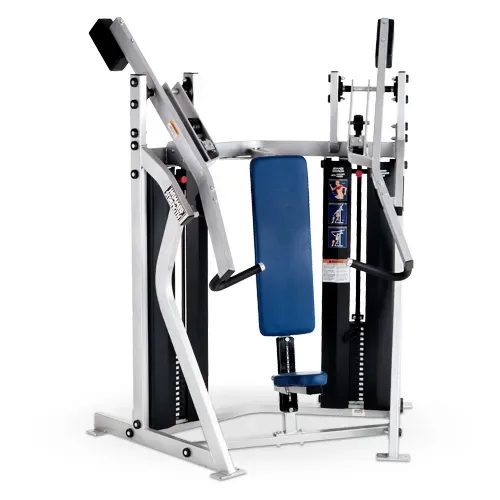
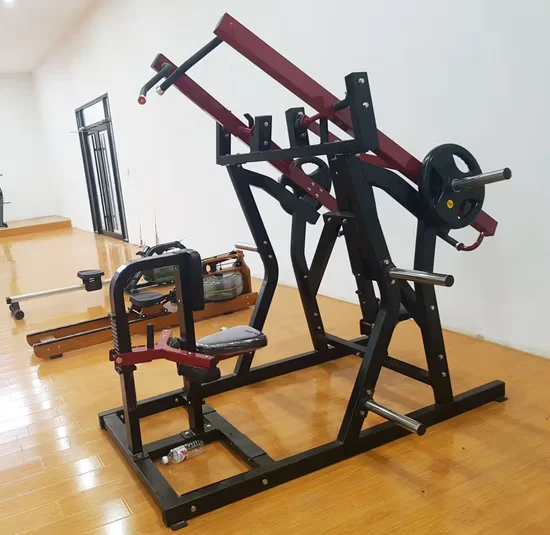
ISO-Lateral Front Lat Pulldown Machine, 1833×1492×1110mm, 145kg Net Weight — engineered with 3×3 inch frame steel and robotic MIG continuous welding to eliminate stress concentration under heavy back training loads. Sealed industrial bearings paired with aircraft-cable pulley systems maintain smooth convergence paths across high-traffic commercial use. Every unit undergoes three-stage inspection with individual load testing before shipment.
// Spec Highlights
• Direct from Manufacturer · No Middlemen · Worldwide Shipping
01
// Material
Imported Solid Wood
Premium hardwood frames sourced for density and visual warmth.
02
// Hardware
Medical-Grade Silent
Whisper-quiet pulleys and springs for clinical environments.
03
// Customization
Appearance OEM
Color, upholstery, and branding tailored to your studio.
04
// Service
Layout Design
Free venue planning for studios and rehab institutions.
Every component is selected for longevity, performance, and aesthetic harmony - from imported hardwood frames to silent medical-grade accessories.
// Features
11-Gauge Frame Integrity — Every ISO-Lateral Front Lat Pulldown frame is built from 3×3 inch, 11-gauge steel with mill-certified Q235 grade, traceable from coil to finished unit.
| Parameter | Value |
|---|---|
| Product Type | ISO-Lateral Lat Pulldown Machine |
| Model NO. | 5015 |
| Frame Steel Gauge | 11-gauge |
| Frame Tube Size | 3×3 inch |
| Steel Grade | Q235 industrial steel, mill-certified |
| Welding Type | Robotic MIG, continuous welds |
| Exercise Part | Back |
| Bearing Type | Sealed industrial bearings |
| Pulley System | Aircraft-cable pulley system |
| Powder Coating | 200μm scratch-resistant industrial finish |
| Product Dimensions | 1833×1492×1110 mm |
| Net Weight | 145 kg |
| Fit Area | Professional Gym and Club |
| Certification | ISO 9001, CE |
| OEM/ODM | Available |
| Facility Type | Typical Use |
|---|---|
| Commercial gym strength floor | Primary back training station in plate-loaded or selectorized zones |
| University strength and conditioning room | High-volume athlete back development programs |
| Hotel fitness center | Durable, low-maintenance lat training for diverse guest populations |
| Institutional athletic facility | Daily multi-shift use for competitive and recreational athletes |
Continuous robotic MIG welding eliminates the fatigue failure points that spot welds create under repetitive lat pulldown loading.
Many machines marketed as commercial-grade rely on vague steel specifications and spot-welded joints that pass visual inspection but fracture within months of high-traffic use. The ISO-Lateral Front Lat Pulldown concentrates significant torsional stress at pivot joints during converging arm paths — a loading pattern that exposes weak welds quickly. [NEED_CITE: weld classification and fatigue performance in structural steel joints under cyclic loading] When a pivot joint cracks mid-session, the entire frame becomes unsafe, and field repair is rarely possible without compromising structural integrity.
This commercial ISO-lateral lat pulldown machine targets the latissimus dorsi, rhomboids, and posterior deltoids through an independent-arm converging path that mirrors natural shoulder joint travel. The ISO-lateral design allows unilateral or bilateral loading, accommodating users with strength asymmetries or rehabilitation needs. In a commercial strength floor layout, this unit pairs with horizontal row machines and rear delt stations to create a complete posterior chain training zone. The seat and thigh pad adjustment range fits users from approximately 155 cm to 195 cm in height, making it suitable for high-density facilities with diverse member demographics.
A lat pulldown station in a busy commercial gym experiences thousands of load cycles weekly, with forces concentrated at the pivot bearings, cable attachment points, and frame joints. The ISO-Lateral Front Lat Pulldown generates both static load during peak contraction and dynamic impact forces when users release the handle at the top of the movement. Sealed bearings must resist dust, chalk, and sweat infiltration that would otherwise degrade lubrication and introduce play within the first year of use. [NEED_CITE: bearing seal effectiveness in contaminated fitness equipment environments] The powder coating at grip contact points and seat adjustment mechanisms faces constant abrasion and chemical exposure from cleaning agents, requiring industrial-grade thickness and adhesion to prevent bare steel exposure and corrosion initiation.
The 3×3 inch, 11-gauge frame tube provides a specific section modulus that determines how much the structure resists bending under off-center loading — a critical factor when users perform unilateral lat pulldowns or load plates unevenly. Thinner gauge or smaller tube dimensions increase deflection under load, creating a vague, unstable feel that undermines training confidence. Robotic MIG welding produces continuous, full-penetration welds along the entire joint length, distributing stress evenly rather than concentrating it at discrete spot weld locations. The sealed industrial bearings in the pivot system maintain smooth rotation by preventing contaminant ingress, while the aircraft-cable pulley system ensures consistent resistance delivery without stretch or fraying. The 200μm powder coating, applied after sandblast surface preparation, provides a durable barrier against impact, abrasion, and chemical degradation that thinner finishes cannot match.
Facilities that purchase lat pulldown machines with thin-wall tubing or spot-welded frames often face frame deformation or joint failure within the first year of heavy use, requiring complete unit replacement rather than repair. Non-sealed bearings develop play quickly in commercial environments, creating handle wobble and user discomfort that leads to complaints and potential liability. Low-density upholstery compresses permanently under daily use, requiring replacement every few months and generating ongoing maintenance costs. Thin powder coating chips at contact points, exposing bare steel to sweat and cleaning chemicals, which initiates rust that spreads beneath adjacent coating and accelerates aesthetic and structural degradation. These failures compound: a machine that costs less upfront generates higher total ownership cost through downtime, replacement parts, and member dissatisfaction.
Every ISO-Lateral Front Lat Pulldown unit undergoes individual load testing before shipment, verifying that the 11-gauge frame, continuous welds, and sealed bearing system perform as engineered — not just sample-tested. The 10-year frame warranty reflects confidence in the structural design and manufacturing process, providing long-term assurance against fatigue failure. For facility planning, the 1833×1492×1110 mm footprint and required safety clearances are documented in 2D-3D CAD layouts that optimize strength zone density without compromising user access or emergency egress. OEM customization options allow frame color, upholstery selection, and facility branding to match your design specifications while maintaining the same structural platform.
Provide your strength zone dimensions and equipment list to receive a 2D-3D CAD layout showing optimal placement of this commercial ISO-lateral lat pulldown machine with proper safety clearances. Specify your average daily user volume so we can confirm the structural rating matches your traffic intensity. Indicate your target user height range to verify seat and pad adjustment compatibility. Custom color, upholstery, and branding options are available — share your specifications and we will confirm lead time and pricing.
Q: How do I verify that a lat pulldown frame meets true commercial-grade specifications?
A: Request mill-certified steel documentation showing gauge, tube dimensions, and grade — not just a "commercial-grade" label. Confirm welding is continuous robotic MIG rather than spot welds, and verify that each unit undergoes individual load testing rather than batch sampling. Sealed bearings and industrial powder coating thickness should also be specified with measurable values.
Q: What frame steel gauge and tube size are required for heavy-duty lat pulldown use?
A: Commercial lat pulldown frames should use minimum 11-gauge steel in 3×3 inch or larger tube sections to resist deflection under off-center and unilateral loading. Thinner gauge or smaller tubes increase frame flex, creating instability during heavy or asymmetric pulls. The section modulus of the tube determines bending resistance — larger dimensions with adequate wall thickness provide the rigidity needed for high-traffic commercial environments.
Q: What is the difference between sealed bearings and bushing bearings in lat pulldown pivot systems?
A: Sealed industrial bearings prevent dust, chalk, and moisture from entering the bearing race, maintaining lubrication and smooth rotation over extended periods. Bushing or open bearings allow contaminants to degrade the lubricant, introducing play and roughness within months of commercial use. Sealed bearings require less maintenance and provide consistent handle feel, while bushing systems need frequent inspection and replacement in high-traffic facilities.
Q: How does ISO-lateral movement differ from converging lat pulldown designs?
A: ISO-lateral designs allow each arm to move independently on separate pivot axes, accommodating strength asymmetries and enabling unilateral training. Converging designs link both arms to a single cam or linkage, forcing symmetrical movement paths. ISO-lateral systems better match natural shoulder joint mechanics during the pulling motion and allow users with imbalances to train without compensation patterns.
Q: What floor space and clearance does this lat pulldown require for safe commercial installation?
A: The unit footprint is 1833×1492×1110 mm. Maintain minimum 600 mm clearance on all sides for user access, plate loading, and safe dismount. Additional clearance may be needed for traffic flow and emergency egress depending on facility layout. A 2D-3D CAD plan accounts for these requirements in the context of your complete strength zone configuration.
Premium aesthetics meet quiet operation for boutique studio environments.
Medical-grade silence and precision for sports & postpartum recovery.
Furniture-grade craftsmanship for premium residential installations.
Compact premium setups for one-on-one and small-group training.
Aesthetic Pilates integration for hybrid wellness studio programming.
Multi-unit deployment with instructor-grade reliability for certification programs.
Tell us about your project. Our team will respond within 24 hours with pricing, customization options, and shipping details.
// Sales Director
William
+86 132 2531 1800
// Export Manager
Bella
+86 198 5412 8032
william@bickfit.com