01 / Scenario
STUDIO
P
High-End Pilates Studios
Premium aesthetics meet quiet operation for boutique studio environments.

ISO
9001
CE
Certified
OEM
Available
10YR
Warranty
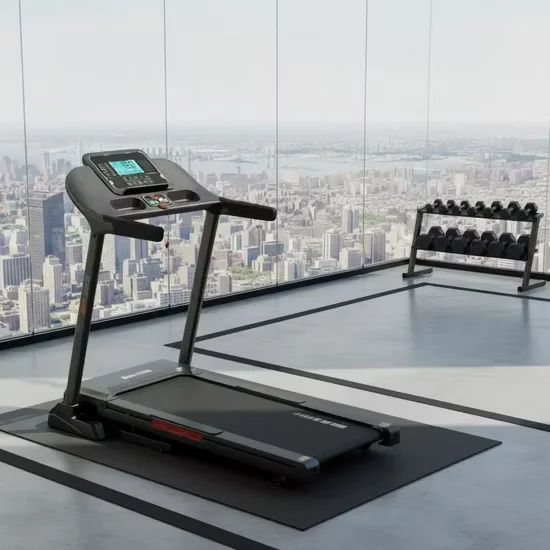
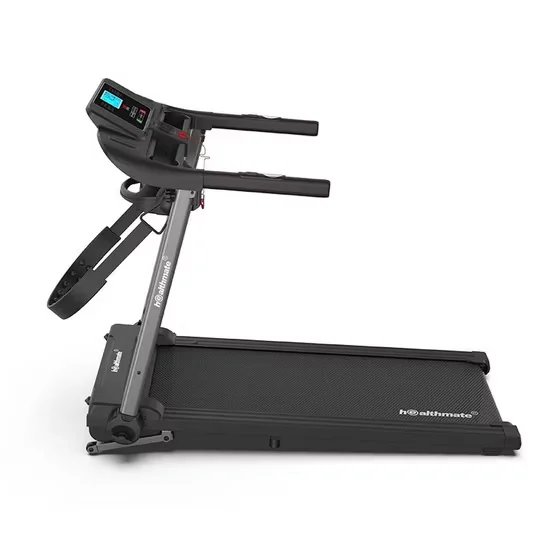
Commercial Motorized Treadmill, ≥160kg Net Weight, 22 km/h Max Speed — the non-folding fixed frame eliminates hinge wear points common in light-commercial units, while the 2300×1000mm footprint supports stable high-intensity running without deck flex. CE and RoHS certified for continuous commercial electrical environments. Every unit undergoes individual load testing before shipment, with CAD layout support provided for safe cardio zone spacing and ventilation clearance.
// Spec Highlights
• Direct from Manufacturer · No Middlemen · Worldwide Shipping
01
// Material
Imported Solid Wood
Premium hardwood frames sourced for density and visual warmth.
02
// Hardware
Medical-Grade Silent
Whisper-quiet pulleys and springs for clinical environments.
03
// Customization
Appearance OEM
Color, upholstery, and branding tailored to your studio.
04
// Service
Layout Design
Free venue planning for studios and rehab institutions.
Every component is selected for longevity, performance, and aesthetic harmony - from imported hardwood frames to silent medical-grade accessories.
// Features
Fixed-Frame Rigidity — The unfolded chassis eliminates hinge stress points common in folding treadmills, ensuring structural stability under continuous commercial loads.
| Parameter | Value |
|---|---|
| Product Type | Motorized Treadmill |
| Net Weight | ≥160kg |
| Maximum Speed | 15-22 km/h |
| Product Dimensions | 2300 × 1000 × 1850 mm |
| Folded | Unfolded |
| Certification | CE, RoHS |
| Condition | New |
| Color Options | Multicolor |
| Customization | Available |
| Logo | Customized is allowed |
| Transport Package | Plywood case |
| Production Capacity | 500 pieces/month |
| Facility Type | Typical Use |
|---|---|
| Commercial gym cardio zone | High-traffic daily running and interval training |
| Hotel and resort fitness center | Guest-use treadmill with varied speed demands |
| University athletic facility | Athlete conditioning and performance testing |
| Home gym | Serious users seeking commercial-grade durability |
A fixed, non-folding frame removes every mechanical weak point that develops play over time.
Treadmills marketed as commercial grade often carry folding mechanisms and lighter-gauge frames that flex under sustained running loads. Hinge pins loosen, locking latches wear, and belt alignment drifts — all within months of daily gym use. This unit’s unfolded structure at ≥160kg net weight means no pivot joints, no latch fatigue, and a deck that stays level through thousands of hours of footstrike impact [NEED_CITE: structural fatigue behavior of hinged vs. fixed-frame treadmill designs].
This commercial motorized treadmill occupies the high-intensity end of the cardio floor, handling speeds from 15 km/h walking recovery through 22 km/h sprint intervals. Its fixed-frame footprint pairs with ellipticals and rowers to create a complete cardiovascular circuit. The 2300 × 1000 × 1850 mm envelope accommodates stride lengths across a wide user height range, while the ≥160kg build mass absorbs vibration that lighter units transmit to surrounding equipment and flooring.
Commercial cardio equipment endures repetitive impact loading that differs fundamentally from strength machines. Each footstrike delivers eccentric force through the deck into the frame welds, the motor mount bolts, and the roller bearings. Over thousands of daily cycles, spot welds at stress concentration points can initiate cracks, while unsealed bearings allow dust and sweat residue to accelerate wear. The unfolded frame design channels these loads through continuous structural members rather than relying on hinge joints. Powder coating at contact points — handrails, speed controls, safety key areas — must resist both mechanical abrasion and chemical degradation from cleaning agents [NEED_CITE: bearing seal performance in high-humidity fitness environments].
The ≥160kg net weight of this unit signals heavier-gauge steel in the main frame rails and a reinforced running deck substrate. Lighter treadmills sacrifice mass to reduce shipping costs, but that mass is what dampens vibration and prevents the frame from resonating under load. The unfolded configuration means the full length of the frame acts as a single structural beam — no bolted hinge plates, no removable locking pins, no secondary braces added to compensate for a folding joint. The 15-22 km/h speed range requires a motor with adequate duty cycle rating; continuous operation at higher speeds demands thermal management that undersized motors cannot provide. CE and RoHS certifications confirm electrical safety compliance for commercial installation environments where equipment runs for extended daily hours.
Thin-wall tubing flexes visibly under heavier runners, accelerating belt wear and creating an unstable running surface that increases joint impact. Spot-welded joints at frame intersections crack under repetitive loading — a failure that often goes unnoticed until visible deformation appears. Non-sealed bearings develop play within the first year in high-traffic settings, producing noise and requiring premature replacement. Low-density foam padding on handrails compresses permanently, exposing bare substrate. Inadequate powder coating thickness chips at contact points, exposing bare steel to sweat corrosion that spreads beneath the coating surface. These failures compound: a flexing frame misaligns the belt, which overloads the motor, which burns out prematurely — all traceable to initial structural compromises [NEED_CITE: powder coating adhesion and corrosion resistance in fitness equipment].
Every commercial motorized treadmill shipped from our facility carries a ≥160kg fixed frame that has undergone individual load testing — not sample-based inspection. The unfolded design means zero hinge points to service, zero locking mechanisms to replace. Our 200μm industrial powder coating resists the sweat and cleaning chemical exposure that degrades thinner finishes. For your cardio zone layout, we provide 2D-3D CAD planning support to ensure proper spacing between units for safe access, adequate ventilation, and emergency egress compliance. Custom branding options allow your facility logo and color scheme to be applied directly at the factory, maintaining visual consistency across your equipment fleet.
Provide your cardio zone dimensions and target equipment count to receive a 2D-3D layout plan with proper spacing and electrical requirements. Specify your expected daily usage hours and user weight range so we can confirm motor duty cycle and frame load ratings match your operational demands. Indicate any branding customization needs — facility logo, frame color, upholstery color — for factory-applied finishes that maintain consistency across your equipment.
Q: How does a non-folding frame improve durability compared to folding treadmills?
A: Folding mechanisms introduce hinge pins, latch plates, and secondary braces that create stress concentration points. Under continuous commercial use, these joints loosen, develop play, and eventually crack. A fixed, unfolded frame eliminates every pivot point, distributing running impact through continuous structural members that maintain alignment and rigidity over thousands of operating hours.
Q: What motor specifications indicate commercial-grade capability?
A: Commercial treadmills require motors rated for continuous duty at higher speeds, not just peak horsepower figures. Look for duty cycle ratings that specify sustained operation at 18-22 km/h, adequate thermal management to prevent overheating during extended use, and torque capacity to maintain belt speed under heavier users without strain or speed fluctuation.
Q: Why is net weight important for treadmill stability?
A: A heavier frame absorbs vibration from footstrike impact, preventing the unit from shifting or resonating during use. Lighter treadmills transmit vibration to the floor and surrounding equipment, creating noise and an unstable running surface. The ≥160kg build mass of this unit ensures the frame remains stationary even during sprint intervals, providing a solid platform that reduces joint impact.
Q: How should cardio equipment be spaced in a commercial layout?
A: Proper spacing ensures safe access, adequate motor ventilation, and emergency egress compliance. Units should maintain minimum side clearance for users to mount and dismount safely, rear clearance for motor cooling airflow, and clear pathways between rows. A CAD layout plan accounts for these requirements based on your specific floor dimensions and equipment count.
Premium aesthetics meet quiet operation for boutique studio environments.
Medical-grade silence and precision for sports & postpartum recovery.
Furniture-grade craftsmanship for premium residential installations.
Compact premium setups for one-on-one and small-group training.
Aesthetic Pilates integration for hybrid wellness studio programming.
Multi-unit deployment with instructor-grade reliability for certification programs.
Tell us about your project. Our team will respond within 24 hours with pricing, customization options, and shipping details.
// Sales Director
William
+86 132 2531 1800
// Export Manager
Bella
+86 198 5412 8032
william@bickfit.com
![[WARN] draft identifier mismatch Waterproof MT026M Foldable Home Electric Treadmill for Fitness](https://bickgym.com/wp-content/uploads/2026/08/warn-draft-identifier-mismatch-waterproof-mt026m-foldable-home-electric-treadmill-for-fitness-ece411.webp)