01 / Scenario
STUDIO
P
High-End Pilates Studios
Premium aesthetics meet quiet operation for boutique studio environments.

ISO
9001
CE
Certified
OEM
Available
10YR
Warranty
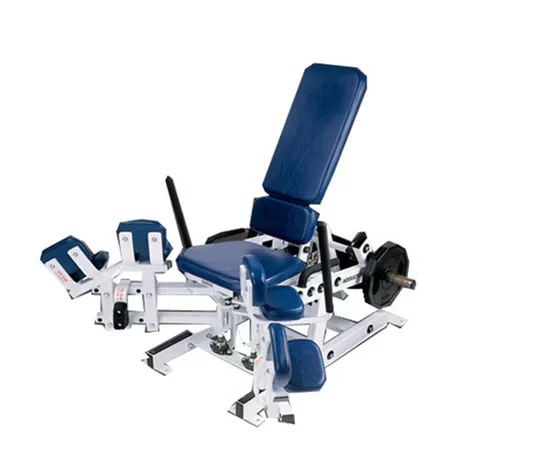
Plate Loaded Leg Extension Machine, 1440×1695×1481 mm, 103 kg — engineered with plate-loaded resistance for progressive overload in high-volume leg training environments. Pivot points utilize sealed industrial bearings to eliminate play and ensure smooth cam-driven resistance curves under repeated daily use. ISO 9001 and CE certified, every unit undergoes three-stage inspection with individual load testing before shipment.
// Spec Highlights
• Direct from Manufacturer · No Middlemen · Worldwide Shipping
01
// Material
Imported Solid Wood
Premium hardwood frames sourced for density and visual warmth.
02
// Hardware
Medical-Grade Silent
Whisper-quiet pulleys and springs for clinical environments.
03
// Customization
Appearance OEM
Color, upholstery, and branding tailored to your studio.
04
// Service
Layout Design
Free venue planning for studios and rehab institutions.
Every component is selected for longevity, performance, and aesthetic harmony - from imported hardwood frames to silent medical-grade accessories.
// Features
Traceable 11-Gauge Steel — Every 3×3 inch tube on this plate loaded leg extension machine carries a mill-certified coil number for full material traceability.
| Parameter | Value |
|---|---|
| Product Type | Plate Loaded Leg Extension Machine |
| Loading Type | Plate loaded |
| Frame Steel | 11-gauge, 3×3 inch tube |
| Steel Grade | Q235 / Q345 industrial steel |
| Welding Type | Robotic continuous MIG |
| Bearing Type | Sealed industrial bearings |
| Pulley System | Aircraft-cable pulley system |
| Powder Coating | 200μm scratch-resistant |
| Upholstery | Available in standard or high-density options |
| Product Dimensions | 1440×1695×1481 mm |
| Net Weight | 103 kg |
| Certification | ISO 9001, CE |
| Warranty | 10-year frame |
| Facility Type | Typical Use |
|---|---|
| Commercial gym strength floor | Dedicated leg isolation station in high-volume daily rotation |
| University strength and conditioning room | Athlete quad development and knee stabilization work |
| Hotel and resort fitness center | Durable, low-maintenance leg training for transient guests |
| Rehabilitation and performance center | Controlled-range quad activation under supervised loading |
Continuous MIG welds eliminate the cold joints that crack first under repeated heavy plate loading.
Walk into any gym that bought on price, and you will find leg extension frames with hairline fractures radiating from spot-welded joints. The steel itself is fine — the failure happens where two thin beads of weld meet the tube at the pivot bracket. A robotic continuous MIG pass wraps the entire joint, distributing stress across a longer weld line instead of concentrating it at discrete points [NEED_CITE: weld classification and fatigue performance in structural steel]. When a member loads four plates per horn and drops the carriage, that impact cycles through the pivot welds hundreds of times a day. Spot welds pass visual inspection on day one and fail by month six.
The plate loaded leg extension machine targets the quadriceps through a single-axis knee extension arc, complementing compound movements like squats and leg presses already anchored on the strength floor. In a commercial layout, it pairs naturally with a leg curl station to balance anterior and posterior chain volume. The seat and pad geometry accommodates users across a wide height range, and the converging movement pattern keeps resistance aligned with the natural knee travel path. Facilities running high member throughput benefit from a dedicated isolation station that does not require spotters or setup adjustments between users.
Every extension cycle pushes load through the pivot shaft, the cam interface, and the welds anchoring the carriage arm to the main frame. In a busy commercial gym, a single leg extension station may see hundreds of repetitions daily, each one generating both static hold forces and eccentric deceleration at the bottom of the arc. The sealed industrial bearings at the pivot point resist contamination from chalk dust and sweat that degrades open bushings over time [NEED_CITE: bearing contamination and service life in fitness equipment]. The powder-coated frame faces constant contact from plates being loaded and unloaded, making the 200μm coating thickness critical to preventing bare-steel exposure at high-wear zones.
Frame tube gauge and wall thickness define the deformation threshold when a member loads the horns asymmetrically or drops weight from full extension. An 11-gauge 3×3 inch section provides the cross-sectional area needed to resist flex without adding dead mass to the frame. Robotic MIG welding replaces manual spot welds with continuous bead lines, eliminating the cold joints that initiate fatigue cracking under cyclic loading. Sealed bearings at the pivot maintain consistent rotational resistance, whereas unsealed bushings develop radial play that translates into wobble at the pad. The aircraft-cable pulley system routes force from the carriage through precision-machined sheaves, preventing the binding that occurs when cables ride off-track under off-center plate loads.
Thinning the frame tube to save material cost introduces flex that accelerates fatigue at every welded connection — a problem that surfaces only after months of commercial cycling. Non-sealed bushings at the pivot require frequent teardown and replacement, each maintenance event pulling the station off the floor for hours [NEED_CITE: preventive maintenance intervals for commercial strength equipment pivot systems]. Low-density upholstery compresses within the first season of heavy use, leaving exposed foam edges that tear and absorb sweat. Undersized powder coating chips at plate-contact zones, exposing bare steel to oxidation that spreads beneath adjacent coating.
The 11-gauge steel frame with mill-traceable coil sourcing means you can verify the exact material spec, not just trust a brochure claim. Robotic continuous MIG welding at every structural joint eliminates the spot-weld weak points that dominate field failure reports. Each unit undergoes individual load testing before crating, not batch-sample inspection. The 200μm industrial powder coating withstands plate contact and cleaning chemicals without premature chipping. A 10-year frame warranty backs the structural investment. For floor planning, the 1440×1695 mm footprint and required safety clearance around the loading horns are factored into the 2D-3D CAD layout support provided with every order.
Provide your strength zone dimensions and current equipment schedule to receive a 2D-3D floor plan that integrates this leg extension with proper traffic flow and safety spacing. Specify average daily user volume so the structural grade and bearing specification match your facility throughput. Confirm the height and weight range of your primary user population to verify pad adjustment coverage. Communicate any custom requirements including frame color, logo placement, or upholstery material selection for brand alignment.
Q: How do I verify the actual steel gauge versus vague commercial-grade claims?
A: Request a mill certificate tied to the coil batch used for your order. A verifiable spec lists gauge, wall thickness, and steel grade such as Q235 or Q345. Vague terms like commercial grade or heavy duty without documentation make independent comparison impossible. Traceability from coil to finished frame is the only reliable confirmation of structural specification.
Q: Plate loaded or selectorized leg extension — which fits high-traffic commercial use?
A: Plate loaded units have fewer moving parts and no weight stack guide rods to bind under heavy use, reducing maintenance demands. Selectorized versions offer faster weight changes for circuit-style training but add cable and pulley complexity. For facilities where members load and train independently, plate loaded simplifies operation and long-term service requirements.
Q: How does frame tube gauge affect long-term structural integrity?
A: Heavier gauge steel with a larger cross-section resists flex under asymmetric plate loading and repeated impact at full extension. Thinner tubes may hold static load adequately but accumulate fatigue damage at weld points over thousands of cycles. The difference becomes visible as hairline cracks or permanent frame deformation after extended commercial service.
Q: What floor space and clearance does this machine require in a commercial layout?
A: The machine footprint is 1440×1695 mm, but safe operation requires additional clearance around the plate loading horns and the carriage travel arc. A detailed CAD layout accounts for user approach paths, adjacent equipment spacing, and emergency access. Proper planning prevents unusable gaps and ensures members can load plates without obstructing nearby stations.
Q: What maintenance do the pivot bearings require under daily commercial use?
A: Sealed industrial bearings at the pivot points are designed to exclude chalk dust, sweat, and cleaning residue that accelerate wear in open bushings. Quarterly rotation checks confirm smooth operation without radial play. If resistance changes or wobble develops, bearing replacement restores original performance without frame modification or extended downtime.
Premium aesthetics meet quiet operation for boutique studio environments.
Medical-grade silence and precision for sports & postpartum recovery.
Furniture-grade craftsmanship for premium residential installations.
Compact premium setups for one-on-one and small-group training.
Aesthetic Pilates integration for hybrid wellness studio programming.
Multi-unit deployment with instructor-grade reliability for certification programs.
Tell us about your project. Our team will respond within 24 hours with pricing, customization options, and shipping details.
// Sales Director
William
+86 132 2531 1800
// Export Manager
Bella
+86 198 5412 8032
william@bickfit.com