01 / Scenario
STUDIO
P
High-End Pilates Studios
Premium aesthetics meet quiet operation for boutique studio environments.
ISO
9001
CE
Certified
OEM
Available
10YR
Warranty
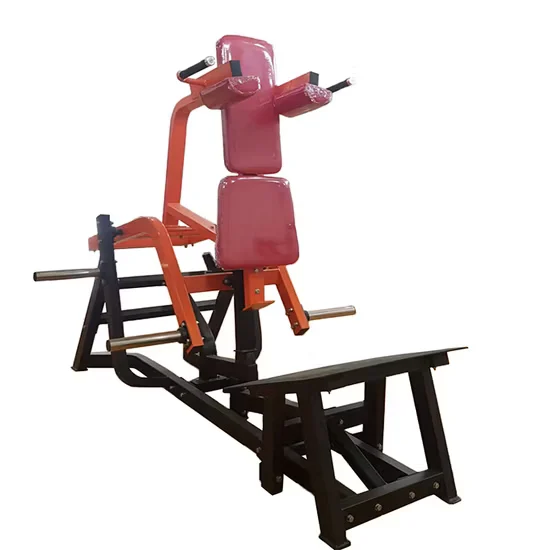
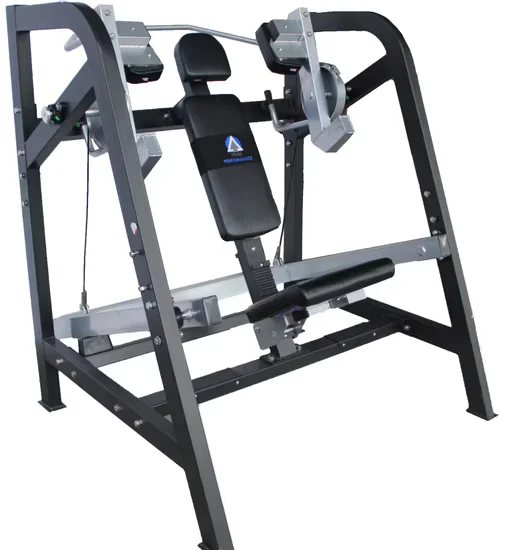
Plate Loaded Pull Over Machine, 1231×1360×1503mm, 120kg Net Weight — built with steel frame construction and plate-loaded resistance for intensive back training in high-traffic environments. Sealed bearing system ensures smooth cable movement under repeated heavy loads, while customizable frame and cushion colors allow facility branding alignment. Every unit undergoes individual load testing before shipment, backed by a 10-year frame warranty and free floor planning support for optimal spacing.
// Spec Highlights
• Direct from Manufacturer · No Middlemen · Worldwide Shipping
01
// Material
Imported Solid Wood
Premium hardwood frames sourced for density and visual warmth.
02
// Hardware
Medical-Grade Silent
Whisper-quiet pulleys and springs for clinical environments.
03
// Customization
Appearance OEM
Color, upholstery, and branding tailored to your studio.
04
// Service
Layout Design
Free venue planning for studios and rehab institutions.
Every component is selected for longevity, performance, and aesthetic harmony - from imported hardwood frames to silent medical-grade accessories.
// Features
Mill-Certified Frame Steel — Every tube on this plate loaded pull over machine traces back to the coil, ensuring 11-gauge thickness is verifiable, not just claimed.
| Parameter | Value |
|---|---|
| Product Type | Plate Loaded Back Machine |
| Frame Steel | 11-gauge, 3×3 inch tube |
| Steel Grade | Q235 and Q345 industrial steel |
| Welding Type | Robotic MIG continuous weld |
| Loading Type | Plate loaded |
| Bearing Type | Sealed industrial bearings |
| Powder Coating | 200μm scratch-resistant |
| Product Dimensions | 1231×1360×1503mm |
| Net Weight | 120kg |
| Upholstery | Available in standard or high-density options |
| Main Frame Color | Customizable |
| Cushion Color | Customizable |
| Certification | ISO 9001, CE |
| OEM/ODM | Acceptable |
| Warranty | 10-year frame |
| Facility Type | Typical Use |
|---|---|
| Commercial gym strength floor | Primary back training station in high-traffic plate loaded zones |
| Hotel and resort fitness center | Durable back isolation equipment for guest and member use |
| University strength and conditioning room | Heavy-duty pull over training for athletic programs |
| Crossfit box functional zone | Supplemental strength work for competitive athletes |
| Rehabilitation and performance center | Controlled back activation under supervised loading |
The frame holds — the weld does not, and that is where most commercial failures begin.
When a gym operator spec’s a back machine, the steel gauge usually gets the attention. But I have seen 11-gauge frames come back with cracked joints because the factory used spot welds to save cycle time. On a pull over movement, the load path runs through the pivot arm and into the main upright — that junction experiences repeated eccentric stress every rep. A spot weld leaves unwelded gaps that become crack initiation points under hundreds of daily cycles. Our robotic MIG process runs continuous bead along every joint, eliminating those cold starts and stops that weaken the connection [NEED_CITE: weld classification and fatigue performance in structural steel]. The difference shows up around month eight, when spot-welded units start developing play at the pivot and this commercial plate loaded pull over machine is still running tight.
The plate loaded pull over targets the latissimus dorsi through a converging arc that mimics a dumbbell pull over while stabilizing the torso against the pad. On a strength floor, it pairs naturally with plate loaded rowing and pulldown stations, filling the sagittal-plane gap between vertical and horizontal pulls. Facilities running high member density benefit from plate loaded loading because users self-select weight without waiting for pin-stack availability. The compact footprint fits standard commercial spacing grids, and the pad geometry accommodates users from lighter frame builds through larger athletes without requiring multiple adjustment positions.
The pivot arm on this unit handles an eccentric-dominant load profile — the heaviest stress occurs during the return phase when the user controls the weight back to the start position. In a commercial gym seeing peak-hour traffic, a single station can log hundreds of reps daily, each one sending a fatigue cycle through the pivot shaft and into the upright welds [NEED_CITE: EN 957 structural requirements for stationary training equipment]. The sealed bearings at the pivot resist sweat and chalk infiltration that destroys open bushings within months. Contact points on the pad and grip handles endure abrasion from repeated mounting and dismounting, which is why the upholstery density and handle knurling specification matter for long-term appearance and function. The 200μm powder coating holds up against daily cleaning chemicals and salt residue from perspiration.
Frame gauge matters, but only when paired with tube dimensions — an 11-gauge wall inside a 3×3 inch section resists bending far better than the same gauge in a smaller profile. The robotic MIG weld specification means every joint has a continuous fusion line rather than intermittent tacks, which changes the fatigue life of the entire assembly [NEED_CITE: robotic versus manual MIG weld consistency in gym equipment frames]. Sealed industrial bearings at the pivot eliminate the need for periodic lubrication that bushing-based systems demand. The sandblast pretreatment before powder coating creates a mechanical bond profile that keeps the 200μm finish adhered even at high-wear contact zones where plates bump the frame during loading.
A thinner-walled tube saves material cost upfront and may pass a static load test, but it deflects under repeated heavy plates, shifting the movement arc and placing the user’s shoulders outside the intended path. Spot-welded joints that look acceptable at delivery develop visible cracks under cyclical loading, creating a liability event on the gym floor. Non-sealed bushings at the pivot require scheduled teardowns and greasing — maintenance hours that compound across a fleet of machines [NEED_CITE: bearing maintenance intervals in commercial fitness equipment]. Low-density foam pads compress within months of daily use, exposing the steel backing plate and forcing an upholstery replacement that costs more than the original savings.
The 11-gauge steel on this pull over machine carries mill certification traceable to the original coil, so you can verify the gauge and grade independently. Every joint receives robotic MIG continuous weld — no operator variability, no missed spots. Before crating, each unit undergoes a full load test to confirm the pivot runs smooth under weight and the frame shows no deflection. The 200μm industrial powder coating is applied over sandblasted steel for adhesion that survives years of plate contact and chemical cleaning. We provide a 10-year frame warranty because the structure is engineered to outlast the upholstery and wear components. For facility planning, we supply 2D and 3D CAD files showing this machine’s footprint with recommended safety clearances for adjacent stations.
Provide your strength floor dimensions and existing equipment list so we can generate a 2D or 3D layout showing how this commercial plate loaded pull over machine fits your traffic flow and safety clearances. Specify your expected daily user count to confirm the structural grade matches your volume. Share your member demographic range to validate the pad geometry and grip positions cover your user base. Indicate any custom requirements including frame color, cushion color, or logo placement for brand alignment.
Q: How do I verify a pull over machine is truly commercial grade versus light commercial?
A: Request the mill certificate for the frame steel, which confirms gauge and grade rather than relying on marketing terms. Check whether the welding is continuous robotic MIG or manual spot weld — the difference determines fatigue life under daily heavy use. Confirm the bearings are sealed industrial units rather than open bushings that require frequent maintenance.
Q: What structural advantages does plate loaded design offer over selectorized for back training?
A: Plate loaded systems eliminate the weight stack guide rods and cable-pulley routing that add complexity and maintenance points. The direct load path from the plates through the pivot arm into the frame creates a rigid feel that serious lifters prefer. Fewer moving parts mean fewer failure points in high-traffic commercial environments.
Q: How does frame steel gauge affect stability and service life on back machines?
A: Thicker gauge steel with a larger tube cross-section resists deflection under heavy eccentric loads, keeping the movement arc consistent over thousands of cycles. When the frame flexes, the pivot point shifts and the user’s joints move outside the engineered path. Gauge must be paired with tube dimensions — both values together determine structural performance.
Q: What maintenance cycle should I expect for a commercial pull over machine?
A: Sealed industrial bearings at the pivot require no scheduled lubrication, reducing maintenance compared to bushing-based designs. Annual inspection of bolt torque and bearing smoothness covers the primary mechanical checkpoints. Upholstery replacement intervals depend on daily traffic volume, and the 200μm powder coating withstands standard gym cleaning protocols without premature wear.
Q: How should I plan spacing around plate loaded equipment on the strength floor?
A: Allow sufficient clearance on the loading side for users to handle bumper plates safely without contacting adjacent stations. The machine footprint plus plate swing radius determines the minimum bay width. We provide CAD layouts that account for user circulation, plate storage proximity, and ADA-compliant pathway requirements between equipment rows.
Premium aesthetics meet quiet operation for boutique studio environments.
Medical-grade silence and precision for sports & postpartum recovery.
Furniture-grade craftsmanship for premium residential installations.
Compact premium setups for one-on-one and small-group training.
Aesthetic Pilates integration for hybrid wellness studio programming.
Multi-unit deployment with instructor-grade reliability for certification programs.
Tell us about your project. Our team will respond within 24 hours with pricing, customization options, and shipping details.
// Sales Director
William
+86 132 2531 1800
// Export Manager
Bella
+86 198 5412 8032
william@bickfit.com