01 / Scenario
STUDIO
P
High-End Pilates Studios
Premium aesthetics meet quiet operation for boutique studio environments.

ISO
9001
CE
Certified
OEM
Available
10YR
Warranty
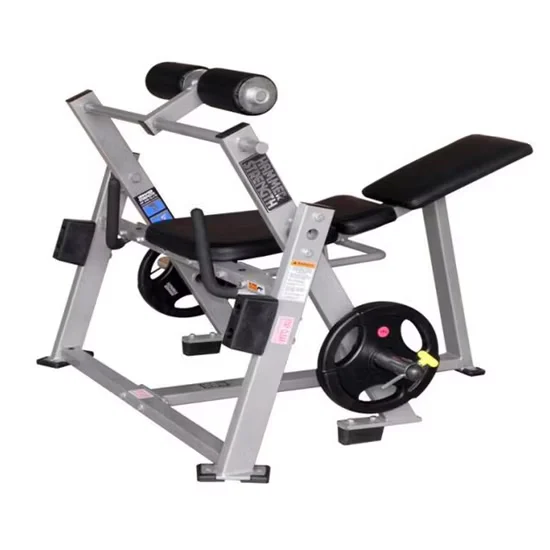
Plate Loaded Seated Arm Curl Machine, 3×3 Inch Frame Tube, 72kg Net Weight — engineered with robotic MIG continuous welding and 200μm powder coating for high-traffic commercial environments. ISO9001 and CE certified with customizable frame and cushion color options. Every unit undergoes individual load testing before shipment with 10-year frame warranty and floor planning support available.
// Spec Highlights
• Direct from Manufacturer · No Middlemen · Worldwide Shipping
01
// Material
Imported Solid Wood
Premium hardwood frames sourced for density and visual warmth.
02
// Hardware
Medical-Grade Silent
Whisper-quiet pulleys and springs for clinical environments.
03
// Customization
Appearance OEM
Color, upholstery, and branding tailored to your studio.
04
// Service
Layout Design
Free venue planning for studios and rehab institutions.
Every component is selected for longevity, performance, and aesthetic harmony - from imported hardwood frames to silent medical-grade accessories.
// Features
Mill-Certified Steel — Every frame tube in our plate loaded seated arm curl machine traces back to the originating coil with full documentation.
| Parameter | Value |
|---|---|
| Product Type | Plate Loaded Bicep Curl Machine |
| Frame Steel Gauge | 11-gauge |
| Frame Tube Size | 3×3 inch |
| Steel Grade | Q235 and Q345 industrial steel, mill-certified |
| Welding Type | Robotic MIG with continuous weld lines |
| Loading Type | Plate loaded |
| Bearing Type | Sealed industrial bearings |
| Pulley System | Aircraft-cable pulley system |
| Upholstery | Available in standard or high-density options |
| Powder Coating | Sandblast pre-treatment plus 200μm scratch-resistant coating |
| Product Dimensions | 1000×800×1120mm |
| Net Weight | 72kg |
| Certification | ISO 9001, CE |
| OEM/ODM | Acceptable |
| Main Frame Color | According to customer requirements |
| Cushion Color | According to customer requirements |
| Facility Type | Typical Use |
|---|---|
| Commercial gym strength floor | Primary bicep isolation station in plate loaded zone |
| University strength and conditioning room | Athlete arm development within periodized programs |
| Hotel fitness center | Durable isolation option for high-turnover guest use |
| Professional fitness club | Heavy-duty bicep station complementing free weight area |
| Community fitness center | Accessible seated curl for members of varying experience levels |
Continuous robotic MIG welds eliminate the spot-weld failures that plague lightly built curl stations.
Suppliers often label equipment as commercial grade without disclosing the actual steel gauge or weld pattern. In high-traffic strength zones, a seated arm curl station endures repeated off-center plate loading — users stack plates unevenly, drop weight on one side, or load beyond what the frame was designed to handle. Spot welds at pivot points and seat-mount junctions develop micro-cracks that propagate silently until a visible failure occurs during use [NEED_CITE: weld classification and fatigue performance in structural steel]. Our commercial plate loaded seated arm curl machine uses robotic MIG welding along every structural joint, producing continuous weld lines rather than discrete tack points. The result is a frame that distributes stress across the entire joint instead of concentrating it at isolated spots.
The plate loaded seated arm curl machine targets the biceps brachii through a controlled, converging movement path while the user remains seated with stabilized torso positioning. In a commercial strength floor layout, this station typically sits alongside other plate loaded upper-body isolation units — shoulder press, lateral raise, and tricep extension — forming a dedicated arm and shoulder cluster. It serves facilities with moderate to heavy daily traffic where members prefer the tactile feedback of loading plates manually rather than using pin-selector stacks. The seated configuration accommodates a wide range of user body sizes, from lighter recreational members to larger athletes, without requiring adjustment beyond seat position.
Every loading cycle on a plate loaded bicep curl machine introduces asymmetric forces when plates are stacked on one horn more than the other. This eccentric loading creates torsional stress at the frame junction where the loading horns connect to the main upright. Over thousands of repetitions daily, these stress cycles test the fatigue limit of every weld seam and bolted connection [NEED_CITE: EN 957 structural requirements for stationary training equipment]. Sealed industrial bearings at the pivot axis prevent sweat and chalk dust from penetrating the bearing race, which would otherwise develop play within the first year of commercial use. The powder-coated contact surfaces face constant abrasion from plate edges, demanding a coating thick enough to resist chipping down to bare steel. Upholstery at the seat and back pad absorbs compression cycles from users sitting down heavily between sets, and low-density foam loses its recovery within months under that pattern.
The 3×3 inch frame tube at 11-gauge thickness determines how much deformation the main upright can tolerate before the seat-mount bracket shifts under maximum plate load. Thinner-walled tubing deflects visibly when a heavy user loads both horns to capacity, and that deflection transfers shear force into the weld joints. Robotic MIG welding ensures that each weld bead is uniform in penetration depth and width — a consistency that manual welding cannot replicate across hundreds of units in a production run. Sealed bearings at the pivot point keep the rotation axis tight regardless of the chalk, sweat, and dust present in commercial environments. The 200μm powder coating applied after sandblast pre-treatment provides a scratch-resistant barrier that prevents rust initiation at the high-contact zones where plates slide on and off the loading horns [NEED_CITE: powder coating adhesion standards for fitness equipment frames].
A frame built from lighter-gauge steel saves material cost upfront but bends under sustained heavy loading, turning a minor cost reduction into a liability claim. Spot-welded joints at the seat bracket and loading horn mounts crack without visible warning, creating a safety incident that shuts down the entire strength zone for inspection. Non-sealed bushings instead of industrial bearings develop rotational play, causing the arm to wobble during the curl path and generating warranty callbacks. Thin powder coating chips at plate contact points, exposing bare steel to sweat corrosion that spreads beneath the remaining coating. Low-density upholstery compresses permanently, forcing the facility to order replacement pads or retire the station entirely — and replacement parts may not exist if the original supplier used non-standard bolt patterns.
The 11-gauge frame steel used in this commercial plate loaded seated arm curl machine is sourced with mill certification traceable to the originating coil, so every tube batch can be verified against its material test report. Robotic MIG welding produces continuous weld lines at every joint, eliminating the weak points that spot welding leaves at high-stress connections. Each unit undergoes load testing before shipment — not sample-based testing on one unit per batch, but testing on the actual machine being shipped. The 200μm industrial powder coating applied over sandblast pre-treatment protects against the chipping and corrosion that thin coatings develop within months. The 10-year frame warranty reflects the engineering margin built into the structure, and our team provides 2D-3D CAD floor planning to ensure this station fits within the strength zone with proper safety clearances on all sides. OEM customization of frame color, cushion color, and branding is available to match facility design specifications.
Provide your strength zone floor area and current equipment list so we can generate a 2D-3D layout showing how this plate loaded seated arm curl machine integrates with your existing stations and traffic flow. Specify your expected daily user volume so we can confirm that the structural rating matches your facility’s traffic intensity. Share the body size range of your primary member demographic to verify that the seat geometry and movement path accommodate your users comfortably. Indicate any custom frame color, cushion color, or logo requirements so we can include OEM specifications in the quotation.
Q: How do I verify that the steel gauge quoted by a supplier is genuinely commercial grade?
A: Request mill-certified material test reports that trace the frame steel back to the originating coil. Vague labels like commercial grade without a specific gauge number or steel grade designation provide no verifiable standard. Compare the tube dimensions and wall thickness against EN 957 structural requirements for plate loaded equipment to confirm the frame meets the load demands of high-traffic use.
Q: What frame specifications are needed for plate loaded machines in busy gym environments?
A: Facilities running eight or more hours daily need frames built from 11-gauge steel with tube sections sized to resist deflection under maximum asymmetric plate loads. Continuous MIG welding at all joints prevents the fatigue cracking that spot welds develop under repeated stress cycles. Sealed industrial bearings at every pivot point maintain alignment without developing play from chalk dust and sweat contamination.
Q: How does plate loaded equipment differ from selectorized machines in maintenance demands?
A: Plate loaded machines have fewer moving parts than selectorized stations — no weight stack guide rods, selector pins, or cable routing through multiple pulleys. Maintenance focuses on the pivot bearings, loading horn condition, and structural bolt torque. This simpler mechanical architecture means fewer failure points and lower long-term parts replacement costs in facilities with limited maintenance staffing.
Q: What spacing and clearances are required around an arm curl station in a strength zone?
A: Allow sufficient clearance on both sides for users to load and unload plates safely without interfering with adjacent equipment traffic. The loading horn area needs the most clearance since users handle heavy plates in that zone. Request CAD layout drawings from the manufacturer to verify that the station footprint and safety perimeters integrate properly with your floor plan and traffic flow patterns.
Q: How can I verify welding quality and bearing specifications before committing to a bulk order?
A: Ask for cross-section photographs or samples of the weld joints showing penetration depth and bead consistency along continuous weld lines. Confirm that bearings are sealed industrial type rather than unsealed bushings by requesting bearing specification sheets. Require that load testing documentation accompanies each unit shipped, not just a single sample test report for the entire production batch.
Premium aesthetics meet quiet operation for boutique studio environments.
Medical-grade silence and precision for sports & postpartum recovery.
Furniture-grade craftsmanship for premium residential installations.
Compact premium setups for one-on-one and small-group training.
Aesthetic Pilates integration for hybrid wellness studio programming.
Multi-unit deployment with instructor-grade reliability for certification programs.
Tell us about your project. Our team will respond within 24 hours with pricing, customization options, and shipping details.
// Sales Director
William
+86 132 2531 1800
// Export Manager
Bella
+86 198 5412 8032
william@bickfit.com