01 / Scenario
STUDIO
P
High-End Pilates Studios
Premium aesthetics meet quiet operation for boutique studio environments.

ISO
9001
CE
Certified
OEM
Available
10YR
Warranty
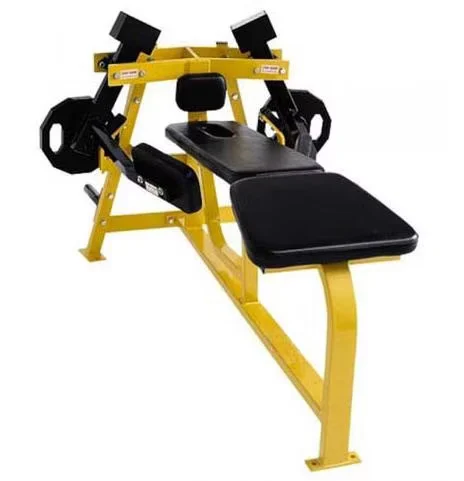
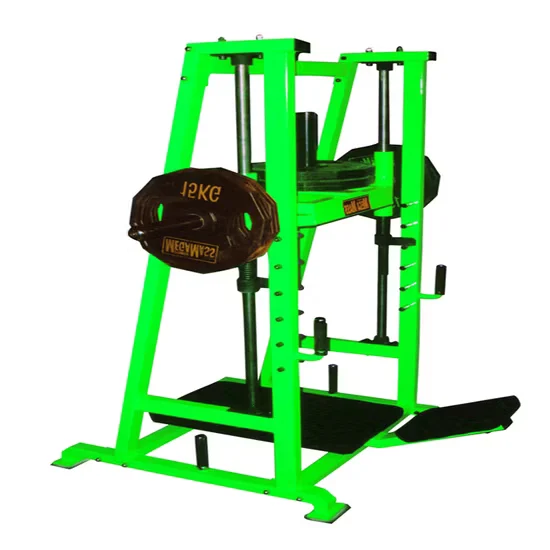
Commercial Smith Machine, 215kg Net Weight, 1340×2266×2384mm Dimensions — engineered with steel frame construction and multi-joint training capability targeting arm, waist, and leg muscle groups. Guide rod precision and linear bearing system ensure smooth bar path for heavy lifting operations. Every unit undergoes load testing before shipment with 10-year frame warranty and floor planning support included.
// Spec Highlights
• Direct from Manufacturer · No Middlemen · Worldwide Shipping
01
// Material
Imported Solid Wood
Premium hardwood frames sourced for density and visual warmth.
02
// Hardware
Medical-Grade Silent
Whisper-quiet pulleys and springs for clinical environments.
03
// Customization
Appearance OEM
Color, upholstery, and branding tailored to your studio.
04
// Service
Layout Design
Free venue planning for studios and rehab institutions.
Every component is selected for longevity, performance, and aesthetic harmony - from imported hardwood frames to silent medical-grade accessories.
// Features
11-Gauge Frame Integrity — Each commercial smith machine is built from mill-certified Q235/Q345 steel with traceable coil origin, ensuring consistent wall thickness across the 3×3 inch tube structure.
| Parameter | Value |
|---|---|
| Product Type | Commercial Smith Machine |
| Frame Steel Gauge | 11-gauge |
| Frame Tube Size | 3×3 inch |
| Steel Grade | Q235 / Q345 (mill-certified) |
| Welding Type | Robotic MIG, continuous welds |
| Product Dimensions | 1340×2266×2384mm |
| Net Weight | 215kg |
| Exercise Part | Arm, Waist, Leg |
| Appliance | Community, Gymnasium |
| Fit Area | Professional Gym and Club |
| Certification | ISO 9001, CE |
| OEM/ODM | Available |
| Transport Package | Plywood Case |
| HS Code | 9506911900 |
| Production Capacity | 500 PCS/Month |
| Facility Type | Typical Use |
|---|---|
| Commercial gym strength floor | Primary barbell path machine for compound lifts |
| Professional fitness club | High-traffic squat and press station |
| University strength and conditioning room | Supervised athlete training for power development |
| Hotel fitness center | Space-efficient multi-joint training solution |
| Community fitness center | Guided barbell movement for diverse user levels |
Procurement documents often list "commercial grade steel" without specifying gauge or mill certification. This ambiguity means buyers cannot verify whether the frame will resist deflection under repeated 200kg+ loads or whether weld joints will hold through thousands of eccentric loading cycles.
11-gauge steel with mill documentation changes what happens at the bottom of a heavy squat.
Without verifiable tube thickness, operators discover frame flex only after bearings misalign and guide rods develop play. The commercial smith machine structure either maintains geometric integrity or progressively compromises bar path accuracy — there is no middle ground when steel thickness is left to interpretation. [NEED_CITE: structural steel gauge standards for fitness equipment load requirements]
This commercial smith machine occupies the guided barbell training category, covering vertical and horizontal pressing patterns alongside squat variations across arm, waist, and leg muscle groups. It complements plate-loaded lateral machines and functional rigs by providing fixed-path barbell work that reduces stabilizer demand while maintaining load intensity. The 1340×2266×2384mm footprint fits standard 3-meter ceiling heights with adequate clearance for plate loading. Facilities running 8+ hours daily traffic require this structural category to handle varied user strength levels without adjustment downtime.
Commercial environments subject the commercial smith machine to static loads during holds, impact forces during bar catch, and eccentric loading cycles during controlled negatives. Guide rods experience off-center forces when users load plates asymmetrically, creating lateral stress that tests bearing seal integrity and rod straightness tolerance. Weld joints at frame intersections accumulate fatigue through thousands of load-unload cycles, particularly at stress concentration points where tube meets plate. Upholstery contact surfaces degrade from sweat exposure and cleaning chemicals, while powder coating at grip points faces abrasion from repeated hand contact. [NEED_CITE: fatigue performance of welded steel structures under cyclic loading]
The 11-gauge frame steel with 3×3 inch tube cross-section establishes the deformation threshold — thicker walls resist bending moments that would compromise lighter constructions under heavy barbell loads. Robotic MIG welding with continuous bead patterns eliminates the spot-weld weak points where cracks initiate under dynamic loading. The guide rod system must maintain precise clearance with linear bearings to prevent binding during off-center plate loading, while sealed bearing construction prevents sweat and chalk dust from accelerating wear. The 200μm powder coating applied after sandblast surface preparation provides scratch resistance at contact points where bare steel would otherwise corrode from humidity and cleaning agents.
Thin-wall frames deflect visibly under heavy loads, accelerating bearing wear and creating uneven guide rod contact that leads to premature failure. Spot welds that pass visual inspection crack under repeated loading, creating liability exposure when structural integrity fails during use. Non-sealed bearings develop play within months of high-traffic operation, requiring frequent replacement that disrupts gym scheduling. Low-density upholstery compresses permanently under daily use, while inadequate powder coating chips at contact points, exposing bare steel to corrosion from sweat and cleaning solutions. [NEED_CITE: maintenance cost analysis of commercial fitness equipment structural failures]
Every commercial smith machine undergoes individual load testing before shipment, verifying structural integrity rather than relying on sample-based quality checks. The 11-gauge frame steel traces back to mill certification, providing documentation that verifies material specifications match procurement requirements. Robotic continuous welding eliminates the spot-weld inconsistencies that create fatigue failure points. The 200μm industrial powder coating withstands contact abrasion and chemical exposure typical in commercial environments. A 10-year frame warranty reflects confidence in structural longevity under continuous use. 2D-3D CAD floor planning support ensures proper equipment spacing and safety clearances around the 1340×2266×2384mm footprint. OEM customization accommodates facility branding requirements for colors and logo placement.
Provide strength zone dimensions and equipment list to receive 2D-3D floor planning that optimizes commercial smith machine placement within traffic flow patterns. Specify daily user volume to confirm structural grade matches facility intensity requirements. Indicate target user body size range to verify adjustment compatibility. Note any customization requirements for frame color, facility logo, or upholstery specifications.
Q: How do I verify the steel gauge claimed by suppliers?
A: Request mill certification documents that trace the steel back to coil origin with verifiable gauge measurements. Reputable manufacturers provide Q235 or Q345 grade documentation showing actual wall thickness rather than vague "commercial grade" descriptions. The 11-gauge specification should appear on material test reports available for procurement review before purchase commitment.
Q: What frame specifications prevent deflection under heavy barbell loads?
A: The 3×3 inch tube with 11-gauge wall thickness creates sufficient cross-sectional rigidity to resist bending moments during heavy squats and presses. Continuous robotic MIG welding at frame joints distributes stress evenly rather than concentrating it at spot weld points. This structural approach maintains geometric integrity through thousands of loading cycles without progressive frame distortion.
Q: How does guide rod design affect long-term bar path smoothness?
A: Precision-machined guide rods with proper clearance tolerances prevent binding when plates load asymmetrically. Sealed linear bearings exclude sweat, chalk dust, and debris that accelerate wear in unsealed designs. The bar path remains consistent through extended commercial use when bearing seals maintain internal lubrication while excluding contaminants from the gym environment.
Q: What powder coating thickness withstands commercial gym conditions?
A: The 200μm industrial powder coating applied over sandblast-prepared steel provides scratch resistance at high-contact grip points where thinner finishes chip and expose bare metal. This thickness withstands daily cleaning chemical exposure and humidity without corrosion at contact surfaces. Proper surface preparation before coating application ensures adhesion that prevents peeling under commercial use conditions.
Q: What safety clearances surround the equipment footprint?
A: The 1340×2266×2384mm dimensions require minimum 900mm clearance on all sides for safe plate loading and user movement. Ceiling height must accommodate the 2384mm frame height plus barbell clearance during overhead movements. Floor planning should position the commercial smith machine away from traffic lanes to prevent collision risk during loaded barbell operations.
Premium aesthetics meet quiet operation for boutique studio environments.
Medical-grade silence and precision for sports & postpartum recovery.
Furniture-grade craftsmanship for premium residential installations.
Compact premium setups for one-on-one and small-group training.
Aesthetic Pilates integration for hybrid wellness studio programming.
Multi-unit deployment with instructor-grade reliability for certification programs.
Tell us about your project. Our team will respond within 24 hours with pricing, customization options, and shipping details.
// Sales Director
William
+86 132 2531 1800
// Export Manager
Bella
+86 198 5412 8032
william@bickfit.com