01 / Scenario
STUDIO
P
High-End Pilates Studios
Premium aesthetics meet quiet operation for boutique studio environments.

ISO
9001
CE
Certified
OEM
Available
10YR
Warranty
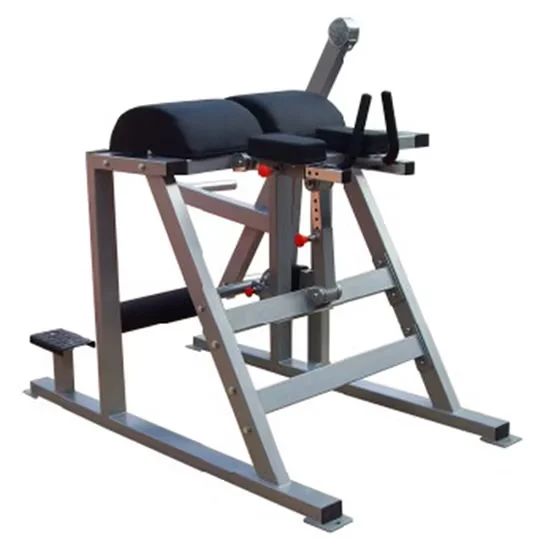
Commercial Step Up Machine, Steel Frame, 656×1200×1035mm Dimensions — engineered with industrial-grade steel construction and manual plate-loaded operation for repetitive stepping cycles in high-traffic environments. Continuous welding eliminates cold joints, while sandblasted pre-treatment and 200μm powder coating resist chipping at contact surfaces. Every unit undergoes load testing before shipment, backed by a 10-year frame warranty and floor planning support for safe clearance spacing.
// Spec Highlights
• Direct from Manufacturer · No Middlemen · Worldwide Shipping
01
// Material
Imported Solid Wood
Premium hardwood frames sourced for density and visual warmth.
02
// Hardware
Medical-Grade Silent
Whisper-quiet pulleys and springs for clinical environments.
03
// Customization
Appearance OEM
Color, upholstery, and branding tailored to your studio.
04
// Service
Layout Design
Free venue planning for studios and rehab institutions.
Every component is selected for longevity, performance, and aesthetic harmony - from imported hardwood frames to silent medical-grade accessories.
// Features
11-Gauge Steel Frame with Mill Traceability — Every tube in this commercial step up machine is cut from Q235 industrial steel with mill-certified documentation traceable to the original coil, ensuring consistent wall thickness and structural integrity under repetitive stepping loads.
| Parameter | Value |
|---|---|
| Product Type | Step Up Machine |
| Frame Material | Q235 industrial steel, 11-gauge |
| Frame Tube Size | 3×3 inch |
| Welding Type | Robotic MIG, continuous weld |
| Loading Type | Plate loaded / bodyweight |
| Power Source | Manual |
| Product Dimensions | 656×1200×1035 mm |
| Net Weight | 49 kg |
| Exercise Part | Leg, Waist, Arm |
| Powder Coating | 200μm, scratch-resistant |
| Pre-treatment | Sandblast |
| Assembly State | Unfolded |
| Customization | Available |
| OEM / ODM | Available |
| Transport Package | Plywood case |
| Certification | ISO 9001, CE |
| Warranty | 10-year frame |
| Facility Type | Typical Use |
|---|---|
| Commercial gym strength floor | High-rep step-up conditioning circuits |
| CrossFit box functional zone | Loaded step-up drills and plyometric transitions |
| Hotel and resort fitness center | Low-maintenance cardio conditioning station |
| University strength and conditioning room | Athletic performance step-up protocols |
| Rehabilitation and performance center | Controlled unilateral leg loading |
11-gauge steel with verified mill certification resists permanent deflection where lighter frames bend.
Many step-up platforms on the market are listed as commercial grade without disclosing actual tube gauge or steel specification. Under daily stepping loads — often exceeding 100 kg of dynamic force per rep — thin-wall tubing flexes at the joint collar. Over hundreds of cycles, this flex concentrates stress at weld points, eventually producing visible frame distortion and, in worst cases, cracking at the base-to-column junction. A commercial step up machine built without traceable steel sourcing leaves gym operators unable to verify whether the frame will hold its geometry through the first year of high-traffic use. [NEED_CITE: structural fatigue performance of welded steel frames under cyclic loading]
This commercial step up machine targets the sagittal plane of motion, engaging quadriceps, glutes, and stabilizing musculature through a vertical stepping pattern. In a functional training zone, it pairs naturally with sled push tracks, battle rope anchors, and rig systems — filling the gap between pure cardio equipment and heavy barbell stations. The manual, self-powered design means no motor, no electronics, and no software dependency, which suits venues running 8+ hours of daily throughput. The 656×1200 mm footprint accommodates users across a wide range of statures while maintaining a stable base during loaded step-ups.
Step-up loading is inherently asymmetric and impact-heavy — each rep delivers a concentrated vertical force through one leg, creating eccentric and lateral stress on the frame joints. Over thousands of daily cycles, spot-welded connections become the weakest link, as cold joints propagate micro-cracks that are invisible during visual inspection. The stepping surface contact zone also demands coating durability: sweat, chalk residue, and rubber sole abrasion test the powder coat at the platform edge. Sealed bearings are less relevant on a manual platform, but the structural welds and coating integrity directly determine whether the frame remains safe and presentable after extended commercial use. [NEED_CITE: weld classification and fatigue performance in structural steel]
The 11-gauge, 3×3 inch frame tube sets the deflection threshold — thicker walls and larger cross-sections resist bending moments generated during loaded stepping. Robotic MIG continuous welding eliminates the cold joints inherent in spot welding, distributing stress along the full seam rather than concentrating it at discrete points. The 200μm powder coating, applied over sandblast pre-treatment, creates a mechanical bond that resists chipping at the high-contact stepping edge — a failure point where thin coatings expose bare steel within months. These three parameters — tube gauge, weld continuity, and coating thickness — form the structural baseline that separates a commercial step up machine built for daily use from one that deforms under it.
Reducing tube wall thickness saves material cost but invites frame flex under loaded stepping — a deformation that becomes permanent and compromises user safety. Spot welding reduces labor time but creates stress concentration points that crack under cyclic loading, often without visible warning until failure. Inadequate coating pre-treatment or thin powder layers lead to chipping at contact zones, exposing bare steel to sweat-induced corrosion that spreads beneath adjacent coating. These shortcuts shift cost from the manufacturer to the gym operator through premature frame replacement, liability exposure, and unplanned downtime. [NEED_CITE: corrosion mechanisms in powder-coated steel under gym environmental conditions]
Every commercial step up machine shipped from our Ningjin facility is built on an 11-gauge steel frame with mill-certified traceability to the coil — no vague commercial-grade claims. Robotic MIG welding produces continuous seams on every unit, verified through three-stage QC inspection. Each platform undergoes individual load testing before shipment, not batch sampling. The 200μm industrial powder coating is applied over sandblast pre-treatment for adhesion that withstands daily contact. A 10-year frame warranty backs the structural work. We also provide 2D-3D CAD floor planning support to ensure safe clearance spacing around each step-up station in your functional zone, and OEM customization is available for facility-specific branding and color matching.
Provide your functional training zone dimensions and equipment list to receive a 2D-3D CAD layout showing safe spacing around each commercial step up machine station. Indicate your daily user volume so we can confirm the structural grade matches your throughput demands. Specify any OEM requirements including frame color, facility logo placement, or custom platform height adjustments.
Q: How can I verify that a step-up platform uses genuine commercial-grade steel rather than thin-wall tubing?
A: Request mill-certified steel documentation that traces the frame tubes back to the original coil. The certificate should specify steel grade and wall thickness. A commercial step up machine built with 11-gauge, 3×3 inch tubes will resist permanent deflection under repetitive loaded stepping, while unverified thin-wall frames will flex and deform within months of daily use.
Q: Why does the welding method matter for a manual, self-powered step-up platform?
A: Even without motors or moving parts, the frame absorbs significant cyclic stress from each stepping rep. Continuous robotic MIG welding distributes this stress along the full seam, while spot welds create concentrated weak points that develop micro-cracks over time. For a commercial step up machine in a high-traffic facility, continuous welds are the difference between long-term structural integrity and premature frame failure.
Q: What powder coating specification is needed to prevent chipping at the stepping contact surface?
A: The stepping edge experiences repeated impact from footwear, sweat exposure, and cleaning chemicals. A 200μm industrial powder coating applied over sandblast pre-treatment creates a mechanical bond that resists chipping and corrosion at high-contact zones. Thinner coatings or those applied without proper pre-treatment will expose bare steel within months, leading to rust spread beneath adjacent coating.
Q: How should I plan gym floor spacing around step-up stations for safe commercial use?
A: Each commercial step up machine requires a 656×1200 mm footprint with a minimum 600 mm clearance on all sides to allow safe stepping access and prevent collision with adjacent equipment or users. Request 2D-3D CAD floor planning support to optimize your functional zone layout, accounting for traffic flow patterns and emergency access routes around each platform station.
Premium aesthetics meet quiet operation for boutique studio environments.
Medical-grade silence and precision for sports & postpartum recovery.
Furniture-grade craftsmanship for premium residential installations.
Compact premium setups for one-on-one and small-group training.
Aesthetic Pilates integration for hybrid wellness studio programming.
Multi-unit deployment with instructor-grade reliability for certification programs.
Tell us about your project. Our team will respond within 24 hours with pricing, customization options, and shipping details.
// Sales Director
William
+86 132 2531 1800
// Export Manager
Bella
+86 198 5412 8032
william@bickfit.com