01 / Scenario
STUDIO
P
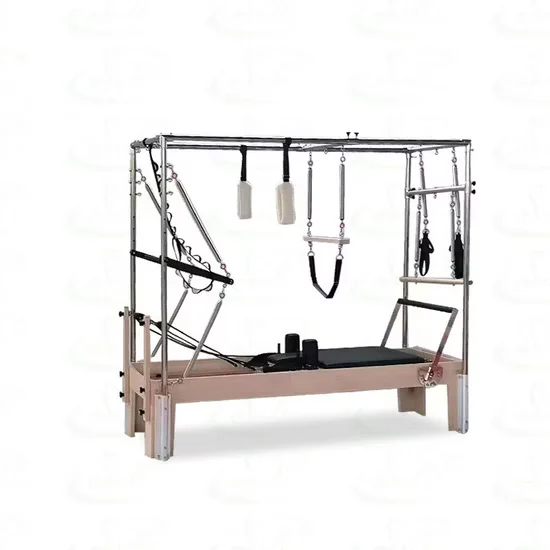
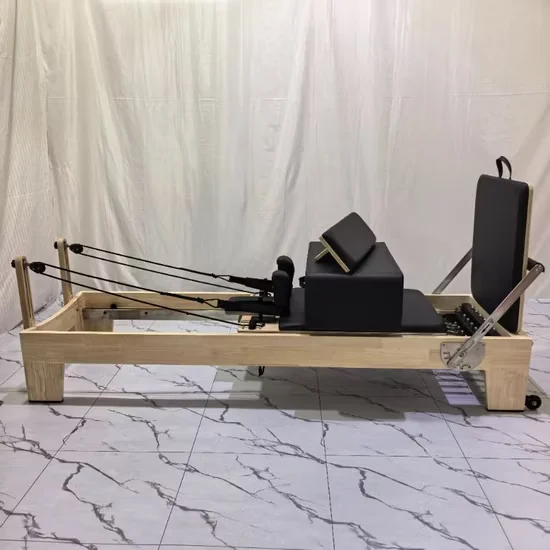
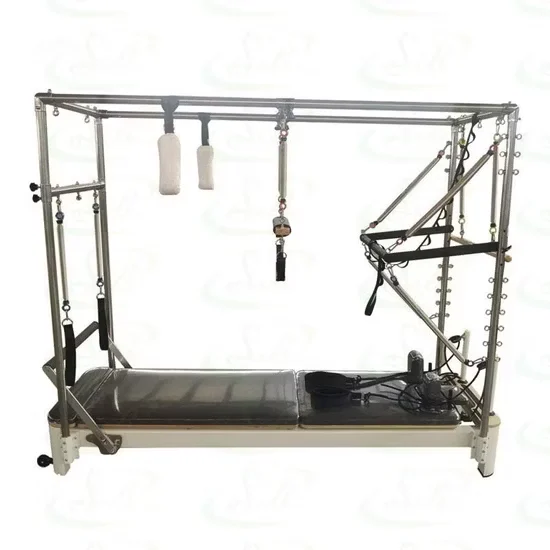
High-End Pilates Studios
Premium aesthetics meet quiet operation for boutique studio environments.

ISO
9001
CE
Certified
OEM
Available
10YR
Warranty
Pilates Reformer Mat, 6mm Thick TPE, 1040×584mm — engineered for high-traffic studio use with non-slip surface and stable cushioning that balances joint protection with core engagement feedback. Custom logo printing available for branded facility consistency. Direct from manufacturer with 17 years of commercial fitness equipment production, 500+ gyms equipped globally.
// Spec Highlights
• Direct from Manufacturer · No Middlemen · Worldwide Shipping
01
// Material
Imported Solid Wood
Premium hardwood frames sourced for density and visual warmth.
02
// Hardware
Medical-Grade Silent
Whisper-quiet pulleys and springs for clinical environments.
03
// Customization
Appearance OEM
Color, upholstery, and branding tailored to your studio.
04
// Service
Layout Design
Free venue planning for studios and rehab institutions.
Every component is selected for longevity, performance, and aesthetic harmony - from imported hardwood frames to silent medical-grade accessories.
// Features
Custom Logo Pilates Reformer Mat — 6mm thick TPE engineered to resist compression fatigue under continuous studio scheduling.
| Parameter | Value |
|---|---|
| Product Type | Pilates Reformer Mat |
| Material | TPE |
| Thickness | 6mm |
| Length | 1040mm |
| Width | 584mm |
| Net Weight | 0.7kg |
| Color Options | Solid color range available |
| Custom Branding | Logo customization supported |
| Target Demographic | Adult users |
| Facility Type | Typical Use |
|---|---|
| Commercial Pilates Studio | Reformer bed surface replacement for daily group classes |
| Boutique Fitness Center | Dedicated reformer zone matting for member use |
| Hotel and Resort Wellness | In-room or spa-adjacent Pilates equipment accessory |
| University Dance and Movement Lab | Reformer training surface for performance programs |
| Rehabilitation Clinic | Low-impact movement surface for guided reformer therapy |
A reformer mat that compresses unevenly alters carriage feedback and forces premature replacement.
Studio operators frequently encounter mats that develop permanent indentations within months of high-frequency scheduling, where the surface no longer returns to its original profile after repeated body-weight loading. Thin mats transmit carriage vibration directly to the spine during supine exercises, while low-grade foam variants break down at the edges where users enter and exit the reformer bed. The degradation accelerates when cleaning chemicals interact with open-cell structures, causing the material to crumble from the inside. [NEED_CITE: material fatigue standards for fitness surface accessories]
This mat serves as the primary contact interface between the user and the reformer carriage during supine, prone, and seated movement patterns. It complements the carriage mechanics by providing consistent friction and cushioning without interfering with spring-loaded resistance feedback. Facilities running back-to-back reformer classes need a surface that maintains dimensional stability across consecutive sessions. The dimensions align with standard commercial reformer beds, making it suitable for studios standardizing equipment across multiple units. A commercial pilates reformer mat must accommodate users of varying limb lengths and torso proportions without creating pressure points at the sacrum or scapulae.
Reformer mats endure cyclic compression from body-weight loading concentrated at the pelvis, thoracic spine, and heels during footwork and long-box sequences. A fully booked studio may subject each mat to multiple compression cycles daily, with incomplete recovery time between classes. The TPE structure resists permanent deformation at high-contact zones where users consistently anchor during exercises like short-box abdominals and feet-in-straps work. Surface texture must withstand repeated wiping with commercial disinfectants without degrading the friction coefficient. [NEED_CITE: cyclic loading tolerance for elastomer fitness surfaces]
The 6mm thickness represents a midpoint between joint protection and proprioceptive feedback; thinner mats transmit excessive pressure to bony landmarks, while thicker variants compromise the user’s sense of connection to the carriage. TPE material offers closed-cell construction that resists moisture absorption from sweat and cleaning solutions, unlike open-cell foams that harbor microbial growth. The density provides sufficient firmness that users maintain balance during unilateral exercises without the surface shifting beneath them. At 1040mm by 584mm, the mat covers the primary contact zone of standard commercial reformers while remaining manageable for removal during deep cleaning or replacement. The 0.7kg weight allows staff to swap mats between units without strain. Logo customization uses printing methods that resist abrasion from repeated user contact and chemical cleaning agents.
Mats specified at minimal thickness to reduce initial procurement cost develop permanent compression marks within months, requiring replacement far sooner than a properly specified alternative. Open-cell materials absorb sweat and cleaning fluid, creating hygiene concerns that force early disposal. Non-reinforced edges curl upward from repeated user entry and exit, creating a trip hazard and an unprofessional appearance. When custom branding is applied using low-durability printing, the logo fades or cracks within weeks of commercial use, negating the investment in branded studio aesthetics. [NEED_CITE: lifecycle cost comparison for commercial fitness floor accessories]
The TPE compound selection prioritizes compression recovery over initial softness, ensuring the mat returns to profile between consecutive classes. The 6mm thickness was established through testing that balanced spinal cushioning against the need for stable proprioceptive feedback during reformer exercises. Edge integrity is maintained through uniform material density rather than added border reinforcement, which can create ridges that interfere with user positioning. The custom logo application uses inks compatible with TPE surface chemistry, resisting dissolution from alcohol-based disinfectants commonly used in commercial studios. Facility operators receive layout guidance to ensure reformer spacing accounts for mat overhang and safe user circulation paths around each unit. OEM branding options allow studios to maintain visual consistency across all equipment surfaces.
Provide your reformer model list and daily class volume to confirm this commercial pilates reformer mat matches your usage intensity. Specify your target user demographic to verify the surface firmness aligns with comfort expectations. Share your studio branding guidelines to coordinate logo color, placement, and reproduction method with your visual identity. Request a dimensional compatibility check if your reformer fleet includes non-standard carriage widths or aftermarket modifications.
Q: How does a commercial reformer mat differ from residential-grade alternatives?
A: Commercial mats use higher-density TPE compounds designed to recover from repeated compression cycles throughout daily scheduling. Residential variants often prioritize initial softness over long-term compression resistance, leading to permanent deformation within weeks of studio-frequency use. The surface texture on commercial mats also resists degradation from professional disinfectants applied multiple times daily.
Q: Why is 6mm specified rather than a thicker option?
A: This thickness maintains user proprioceptive connection to the reformer carriage while providing adequate cushioning at bony contact points. Thicker mats can introduce instability during balance-intensive exercises and may interfere with the carriage travel path on some reformer models. The specification reflects testing across common reformer exercise patterns to identify the optimal balance point.
Q: How does TPE compare to PVC or NBR for reformer applications?
A: TPE provides closed-cell structure that resists fluid absorption, supporting hygiene protocols in shared-use environments. PVC alternatives may offer lower initial cost but often contain plasticizers that migrate over time, altering surface firmness. NBR foam provides excellent cushioning but typically features open-cell construction that absorbs moisture and requires longer drying time between classes.
Q: What is the process for custom logo application and minimum order requirements?
A: Logo artwork is reviewed for reproduction compatibility with TPE surface printing methods, and a physical sample is produced for approval before batch production. Minimum order quantities depend on logo complexity and color count. Contact the project team with your branding specifications to receive a sample timeline and production schedule for your facility rollout.
Q: What maintenance practices extend reformer mat service life?
A: Wipe surfaces between users with pH-neutral disinfectant wipes rather than spray-and-rub methods that push fluid into edge seams. Rotate mat position on the carriage monthly to distribute compression patterns evenly. Avoid rolling or folding mats during storage, as creases may become permanent deformation points. Inspect edges quarterly for early signs of delamination.
Premium aesthetics meet quiet operation for boutique studio environments.
Medical-grade silence and precision for sports & postpartum recovery.
Furniture-grade craftsmanship for premium residential installations.
Compact premium setups for one-on-one and small-group training.
Aesthetic Pilates integration for hybrid wellness studio programming.
Multi-unit deployment with instructor-grade reliability for certification programs.
Tell us about your project. Our team will respond within 24 hours with pricing, customization options, and shipping details.
// Sales Director
William
+86 132 2531 1800
// Export Manager
Bella
+86 198 5412 8032
william@bickfit.com