01 / Scenario
STUDIO
P
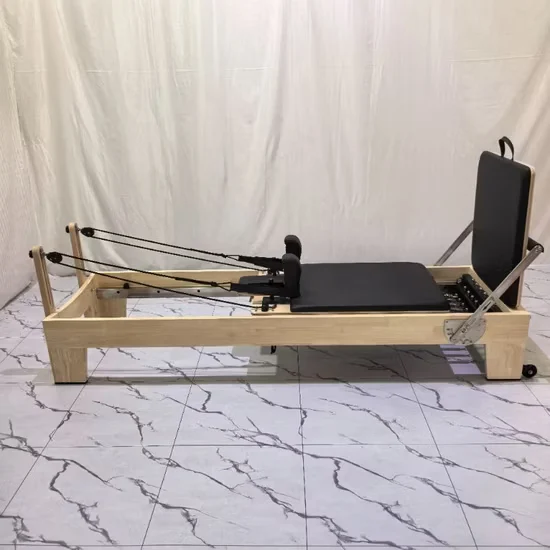
High-End Pilates Studios
Premium aesthetics meet quiet operation for boutique studio environments.

ISO
9001
CE
Certified
OEM
Available
10YR
Warranty
Custom Print Eco Friendly Washable Yoga Mat, 6mm Thickness, 1830×610mm — engineered with a high-density foam core that resists permanent compression under sustained kneeling and balancing postures. The washable top layer maintains print clarity and texture after repeated studio cleaning cycles. Backed by SGS-certified eco-friendly material testing and full OEM private-label capability for brand-specific retail and bulk studio orders.
// Spec Highlights
• Direct from Manufacturer · No Middlemen · Worldwide Shipping
01
// Material
Imported Solid Wood
Premium hardwood frames sourced for density and visual warmth.
02
// Hardware
Medical-Grade Silent
Whisper-quiet pulleys and springs for clinical environments.
03
// Customization
Appearance OEM
Color, upholstery, and branding tailored to your studio.
04
// Service
Layout Design
Free venue planning for studios and rehab institutions.
Every component is selected for longevity, performance, and aesthetic harmony - from imported hardwood frames to silent medical-grade accessories.
// Features
Traceable Foam Core Density — every mat roll is tested for compression rebound before leaving the production line, ensuring consistent performance under repeated studio use.
| Parameter | Value |
|---|---|
| Product Type | Yoga Mat |
| Model No. | SFa-01 |
| Material | TPE / Natural Rubber options available |
| Thickness | 6mm |
| Dimensions | 1830 × 610mm |
| Net Weight | 2kg |
| Surface | Washable, custom print capable |
| Logo | Customized is allowed |
| Color | Solid color / custom print options available |
| Age / Gender | Adult / Women |
| Origin | China |
| HS Code | 9506911900 |
| Production Capacity | 1000 PCS / Month |
| Facility Type | Typical Use |
|---|---|
| Yoga and Pilates studios | Daily class rotation, heated room sessions |
| Commercial gym stretching zones | Pre/post workout floor routines |
| Boutique fitness and wellness centers | Mind-body classes, private sessions |
| Hotel and resort fitness rooms | Guest use, housekeeping laundering cycles |
| Home fitness areas | Individual daily practice |
A mat that cannot endure daily cleaning is a mat that needs replacing every few months.
In commercial studios, floor gear gets wiped down with disinfectant between every class. Many mats marketed as eco-friendly rely on surface prints that bleed or peel once exposed to repeated chemical cleaning. Thin top layers crack along the roll line, and low-density cores compress permanently under the same kneeling positions day after day. A custom print eco friendly washable yoga mat must answer to a different standard: the print must hold through hundreds of wash cycles, the surface must resist microbial buildup without degrading, and the 6mm core must not bottom out when a practitioner holds a sustained balance pose [NEED_CITE: material degradation standards for repeated chemical exposure in fitness surfaces].
Stretching and recovery zones sit adjacent to the free weight floor and functional rig areas. Mats in these zones handle foot traffic from athletes moving between stations, sweat transfer from post-lift cool-downs, and rolling equipment dragged across edges. The custom print eco friendly washable yoga mat serves the transitional space between heavy loading and mobility work — it must absorb impact from dropped dumbbells at the border while maintaining a stable, non-slip surface for balance-oriented movements. For studios running back-to-back classes, the mat density must accommodate users ranging from lightweight practitioners in restorative sessions to heavier athletes completing post-strength decompression.
The load profile on a studio mat is deceptively punishing. Static compression from sustained kneeling and seated poses creates permanent indentations in low-density foam within weeks. Dynamic loading from transitions — stepping forward into lunges, pressing back into planks — generates shear forces at the surface layer that separate poorly bonded top skins from the core. In heated rooms, elevated temperatures accelerate foam softening, meaning a mat that performs adequately in a standard environment may compress noticeably during hot yoga sessions. Edge curling develops where repeated rolling meets the tension of a surface layer that has lost elasticity [NEED_CITE: foam compression set testing under thermal cycling conditions].
Thickness alone tells you little. A 6mm mat with high-density closed-cell foam provides meaningful joint protection during kneeling sequences while maintaining the ground feedback necessary for standing balance postures. The surface-to-core bond determines whether the top layer separates after months of rolling and unrolling — heat-laminated bonds outperform adhesive-applied skins under cyclical stress. The custom print eco friendly washable yoga mat achieves washability through a sealed surface that prevents moisture ingress into the foam core; open-cell structures absorb cleaning solution and develop internal breakdown. Material traceability matters equally: TPE offers recyclability and low off-gassing, while natural rubber provides superior grip at the cost of heavier weight and latex sensitivity considerations.
A mat purchased at a lower unit cost but replaced three times annually costs more than a denser alternative that survives the full year. Low-density cores compress unevenly, creating trip hazards where edges lift. Surface prints applied with standard inkjet methods fade within weeks of chemical cleaning, leaving studio owners choosing between a worn-out appearance and the expense of reprinting. Non-washable surfaces accumulate embedded sweat and skin cells that no amount of surface wiping removes, creating odor complaints in enclosed studio spaces [NEED_CITE: commercial floor covering replacement frequency in high-traffic fitness environments].
The same approach we apply to reading weld lines on a plate-loaded machine applies here: material integrity under repeated load. The foam core density is specified to resist permanent compression set across thousands of class cycles. The surface layer is heat-bonded to prevent delamination at the roll stress points. Custom printing uses abrasion-resistant ink formulations rated for repeated wash exposure. For facility operators planning floor layouts, we provide dimensional CAD files showing mat spacing for class configurations, ensuring adequate clearance between stations for safe transitions. OEM private-label printing is available with sample runs to verify color matching and print adhesion before bulk production. The 10-year structural confidence we carry on steel frames translates here to material testing rigor — every production batch undergoes compression rebound verification before shipment.
Share your studio square footage and class capacity targets to receive a floor layout showing optimal mat placement and storage wall requirements. Specify daily session volume and class type to confirm whether the 6mm density matches your use intensity. Provide brand guidelines and logo files for custom print sampling, with color proofs reviewed before production begins.
Q: What materials qualify as eco-friendly for yoga mats?
A: TPE is fully recyclable, produces minimal off-gassing, and contains no PVC or phthalates. Natural rubber is biodegradable and sourced from renewable supply chains but is unsuitable for users with latex sensitivity. Both options outperform PVC in environmental impact. Request the material composition certificate to verify claims.
Q: How does thickness affect stability versus cushioning?
A: Thicker mats provide more joint protection during kneeling but reduce ground feedback critical for standing balance poses. A 6mm density-balanced core offers meaningful cushioning without the instability that develops on softer, thicker mats. The core density specification matters more than thickness alone.
Q: Can custom prints survive daily studio use and frequent washing?
A: Print longevity depends on ink formulation and bonding method. Abrasion-resistant inks cured into the surface layer withstand repeated chemical cleaning, while standard prints applied on top degrade within weeks. Always request a printed sample with wash cycle test results before committing to bulk production.
Q: What is the expected service life of a commercial-grade mat?
A: Under daily studio rotation with proper cleaning protocols, a density-specified mat maintains functional performance through a full year or longer. Low-density alternatives compress permanently within months, requiring premature replacement that outweighs initial cost savings.
Q: How should dimensions and packaging be specified for bulk studio orders?
A: Standard dimensions fit most practitioners, but verify length requirements against your tallest users. Specify rolled packaging with individual sleeves for studio storage racks. For retail distribution, confirm box dimensions and hang-tag options during the sample approval stage.
Premium aesthetics meet quiet operation for boutique studio environments.
Medical-grade silence and precision for sports & postpartum recovery.
Furniture-grade craftsmanship for premium residential installations.
Compact premium setups for one-on-one and small-group training.
Aesthetic Pilates integration for hybrid wellness studio programming.
Multi-unit deployment with instructor-grade reliability for certification programs.
Tell us about your project. Our team will respond within 24 hours with pricing, customization options, and shipping details.
// Sales Director
William
+86 132 2531 1800
// Export Manager
Bella
+86 198 5412 8032
william@bickfit.com