01 / Scenario
STUDIO
P
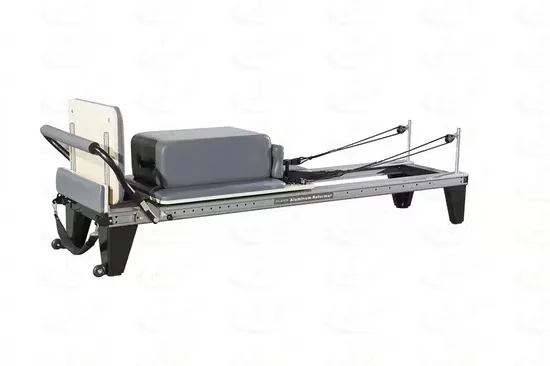
High-End Pilates Studios
Premium aesthetics meet quiet operation for boutique studio environments.
ISO
9001
CE
Certified
OEM
Available
10YR
Warranty
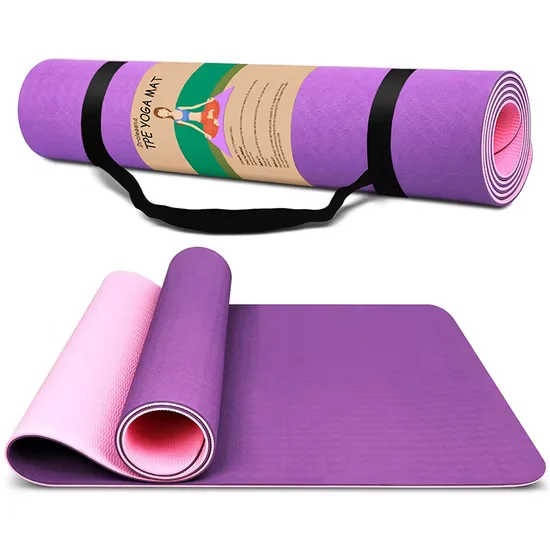
Custom TPE PU Yoga Mat, 6mm Thickness, 1830×610mm, 2kg — high-density TPE core delivers consistent compression resistance for joint protection during repetitive floor work, while the non-slip textured surface maintains grip under sweat in high-traffic studio environments. Custom logo and solid color branding options integrate facility identity without compromising material integrity. Every mat undergoes density verification, wet/dry traction testing, and logo adhesion checks before shipment.
// Spec Highlights
• Direct from Manufacturer · No Middlemen · Worldwide Shipping
01
// Material
Imported Solid Wood
Premium hardwood frames sourced for density and visual warmth.
02
// Hardware
Medical-Grade Silent
Whisper-quiet pulleys and springs for clinical environments.
03
// Customization
Appearance OEM
Color, upholstery, and branding tailored to your studio.
04
// Service
Layout Design
Free venue planning for studios and rehab institutions.
Every component is selected for longevity, performance, and aesthetic harmony - from imported hardwood frames to silent medical-grade accessories.
// Features
Tested Beyond Limits — Every commercial custom TPE yoga mat undergoes compression cycling and wet-traction validation before leaving the facility.
| Parameter | Value |
|---|---|
| Product Type | Yoga Mat |
| Material | TPE (Thermoplastic Elastomer) |
| Thickness | 6mm |
| Length | 1830mm |
| Width | 610mm |
| Color | Solid Color |
| Logo | Customized |
| Weight | 2kgs |
| Production Capacity | 1000 PCS / Month |
| Facility Type | Typical Use |
|---|---|
| Boutique yoga and Pilates studios | Daily group classes with repeated roll-out and sanitation cycles |
| Hotel and resort fitness centers | In-room and studio floor exercise for transient guest use |
| Commercial gym group class areas | High-traffic stretching and bodyweight conditioning zones |
| Physical therapy and recovery rooms | Low-impact floor rehabilitation and mobility work |
The commercial custom TPE yoga mat addresses a recurring failure pattern in high-traffic studios: cushioning that collapses permanently under daily compression cycles.
I have walked into facilities where mats marketed as commercial grade were essentially thin foam sheets that flattened within weeks of group class use. Practitioners ended up performing floor work directly on hard subfloors, with degraded traction creating slip hazards during transitions. The root cause is almost always material density — lightweight consumer foams lack the internal structure to recover after repeated loading. When a studio replaces floor mats every few months, the operational cost and downtime accumulate quickly [NEED_CITE: material compression recovery standards for commercial fitness flooring]. TPE as a base material offers a fundamentally different compression profile compared to standard PVC or EVA foam, maintaining structural integrity through thousands of use cycles without permanent deformation.
The commercial custom TPE yoga mat covers the full range of floor-based movement patterns — from static holds and balance work to dynamic Pilates sequences and bodyweight conditioning circuits. In a studio layout, these mats define individual practitioner stations and must integrate with adjacent equipment zones like reformer rows, functional rig areas, and free-weight platforms without creating trip hazards or wasted floor space. The 1830mm by 610mm dimensions align with standard studio spacing grids, allowing clean row alignment for instructor sightlines. This mat suits facilities running multiple back-to-back classes daily, where surface grip and cushioning consistency must hold across diverse body types and movement intensities.
Floor mats in commercial studios face a specific fatigue profile: repeated compression from body weight concentrated on knees, elbows, and heels during holds and transitions. Unlike a steel frame that fails catastrophically, mat degradation is gradual — surface texture smooths out, grip diminishes under sweat, and the core loses rebound capacity. The TPE composition resists this compression set more effectively than open-cell foams, which trap moisture and accelerate breakdown. Non-slip surface texture must maintain coefficient of friction through both dry and wet conditions, particularly during heated classes where perspiration pools on the mat surface [NEED_CITE: coefficient of friction testing protocols for fitness flooring under wet conditions]. Repeated cleaning with commercial disinfectants also challenges surface adhesion and material integrity over time.
Thickness at 6mm represents the threshold where joint protection during kneeling and prone positions becomes meaningful without introducing instability during standing balance postures. Thinner mats transmit subfloor hardness directly to joints, while excessively thick mats compromise proprioceptive feedback during single-leg work. TPE density determines whether that 6mm maintains its profile after months of daily compression — a low-density TPE will flatten to functional thinness regardless of initial thickness specification. The solid color construction ensures uniform material composition across the entire surface, eliminating performance variation between printed and unprinted zones. Custom logo application must bond to the TPE surface without creating stiffness differentials or delamination points that split under flexion. Weight at 2kgs provides enough mass to prevent mat migration during dynamic movements while remaining portable for storage between classes.
A studio that sources mats based on lowest unit price faces a predictable replacement cycle. Low-density foam compresses permanently within weeks of daily class use, leaving practitioners without cushioning and the facility purchasing replacements continuously. Surface textures that rely on adhesive coatings rather than molded-in patterns wear smooth under foot and hand friction, creating slip liability during sweat-heavy sessions. Mats with inconsistent density across the surface develop uneven wear patterns, with high-compression zones failing first. Non-standard dimensions force awkward floor layouts with gaps between mats that catch equipment and create trip points. When custom branding uses surface printing rather than embedded application, logos crack and peel after repeated rolling and cleaning cycles [NEED_CITE: adhesion durability standards for printed surfaces on elastomer materials].
The same engineering discipline that governs our 11-gauge steel frames extends to floor contact surfaces. TPE material sourcing is verified for density consistency across production batches, ensuring every commercial custom TPE yoga mat performs identically under load. Compression testing validates that 6mm thickness maintains recovery capacity through extended use cycles rather than collapsing permanently. Non-slip surface performance is validated under both dry and wet conditions to match real studio environments. Custom branding and color specifications are confirmed before production runs to ensure facility identity requirements are met without material compromise. The production workflow supports facility-scale orders with consistent quality across all units, and OEM customization allows mats to match existing studio branding and color schemes precisely.
Provide your studio square footage and class capacity targets to receive a 2D or 3D floor layout showing mat spacing, storage zones, and equipment clearances. Specify average daily class count and practitioner volume so we can confirm material grade matches your usage intensity. Share your facility branding guidelines — Pantone colors, logo artwork, and placement preferences — to align custom mat production with your visual identity. Indicate any subfloor type or heating system details that affect mat performance requirements.
Q: How do you distinguish commercial-grade TPE mats from lightweight consumer options?
A: Commercial-grade TPE mats maintain higher material density, which prevents permanent compression after repeated daily use. Consumer mats typically use lower-density foam that flattens within weeks of studio-level traffic. Check for material density documentation and compression recovery test results rather than relying solely on thickness claims. A heavier mat at the same dimensions generally indicates denser material composition and longer service life under commercial conditions.
Q: What thickness provides optimal joint protection without compromising stability?
A: For commercial studio use, 6mm balances joint cushioning during kneeling and prone positions with sufficient ground feedback for standing balance work. Thinner mats transmit subfloor hardness to joints, causing discomfort during extended floor sequences. Thicker options can introduce instability during single-leg postures and dynamic transitions. The material density matters as much as thickness — a dense 6mm TPE outperforms a low-density 8mm foam in both cushioning longevity and surface stability.
Q: How should TPE mats be maintained in high-traffic studio environments?
A: Clean mats after each class using manufacturer-approved commercial disinfectants applied with a soft cloth or mop. Avoid abrasive brushes or harsh solvents that degrade the non-slip surface texture over time. Store mats rolled rather than folded to prevent permanent crease damage to the core material. Rotate mat positions periodically across the studio floor to distribute wear evenly, and inspect high-traffic zones quarterly for surface texture degradation or edge delamination.
Q: What custom branding options are available for facility operators?
A: Custom logo application is available with facility-specific artwork, Pantone color matching, and flexible placement options across the mat surface. Branding must bond to the TPE material without creating stiffness differentials or peeling points under repeated flexion and rolling. Minimum order quantities apply for custom production runs, and color options span solid tones that maintain uniform material performance across the entire surface. Provide vector artwork and color specifications during the inquiry stage for accurate production sampling.
Premium aesthetics meet quiet operation for boutique studio environments.
Medical-grade silence and precision for sports & postpartum recovery.
Furniture-grade craftsmanship for premium residential installations.
Compact premium setups for one-on-one and small-group training.
Aesthetic Pilates integration for hybrid wellness studio programming.
Multi-unit deployment with instructor-grade reliability for certification programs.
Tell us about your project. Our team will respond within 24 hours with pricing, customization options, and shipping details.
// Sales Director
William
+86 132 2531 1800
// Export Manager
Bella
+86 198 5412 8032
william@bickfit.com