
01 / Scenario
STUDIO
P
High-End Pilates Studios
Premium aesthetics meet quiet operation for boutique studio environments.
ISO
9001
CE
Certified
OEM
Available
10YR
Warranty
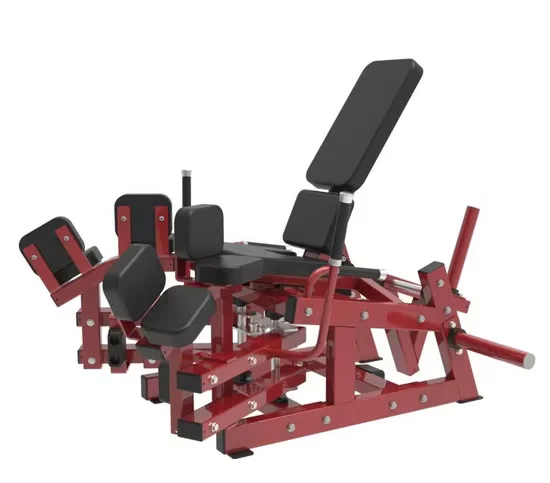
H5027 Selectorized Adductor Machine, Pin-Select Loading, 1690×730×750mm — engineered with sealed bearings at all pivot points to eliminate play under high-traffic commercial use, paired with precision guide rods preventing weight stack binding during lateral movements. Industrial powder coating resists chipping at high-contact adjustment zones. Every unit undergoes full load testing before shipment, backed by a 10-year frame warranty and factory-direct floor planning support.
// Spec Highlights
• Direct from Manufacturer · No Middlemen · Worldwide Shipping
01
// Material
Imported Solid Wood
Premium hardwood frames sourced for density and visual warmth.
02
// Hardware
Medical-Grade Silent
Whisper-quiet pulleys and springs for clinical environments.
03
// Customization
Appearance OEM
Color, upholstery, and branding tailored to your studio.
04
// Service
Layout Design
Free venue planning for studios and rehab institutions.
Every component is selected for longevity, performance, and aesthetic harmony - from imported hardwood frames to silent medical-grade accessories.
// Features
Mill-Certified Steel — H5027 frames trace back to the coil with Q235/Q345 industrial steel verification.
| Parameter | Value |
|---|---|
| Designation | H5027 |
| Product Type | Selectorized Adductor Machine |
| Frame Tube Size | Steel construction |
| Loading Type | Pin select |
| Bearing Type | Sealed bearings |
| Powder Coating | Scratch-resistant industrial finish |
| Product Dimensions | 1690730750mm |
| Net Weight | 139kg |
| Assembly State | Unfolded |
| Color Options | Main frame and cushion available according to customer requirements |
| Certification | ISO9001, CE |
| Facility Type | Typical Use |
|---|---|
| Commercial gym strength floor | Dedicated isolation station within a selectorized machine circuit |
| Hotel and resort fitness center | Compact adductor station for guests targeting inner thigh conditioning |
| University strength and conditioning room | Supplementary isolation work for athletic performance programs |
| Rehabilitation and performance center | Controlled frontal plane resistance for lower body recovery protocols |
Frame rigidity at the pivot point determines whether resistance stays consistent or turns into wobble.
When a user drives their knees inward against a loaded stack, the force vector pushes laterally against the uprights and the seat carriage assembly. Many machines marketed as commercial-grade use unspecified wall thicknesses that technically pass static load tests but begin to deflect under the eccentric cycling of daily adductor work. After several months of high-traffic use, that micro-flex compounds into visible play at the pivot, translating into noise, uneven resistance, and eventually structural fatigue at the weld joints. The commercial selectorized adductor machine H5027 addresses this with steel construction engineered to resist lateral deformation throughout the full movement arc. [NEED_CITE: EN 957 structural requirements for stationary training equipment]
The H5027 targets the adductor muscle group through a guided converging movement pattern in the frontal plane. In a typical commercial strength floor layout, it sits alongside its counterpart — the abductor machine — forming a paired isolation station that users cycle through for balanced hip conditioning. This selectorized adductor machine fits medium- to high-density facilities where floor space is at a premium but equipment durability cannot be compromised. The fixed movement path accommodates a broad range of user body types without requiring complex adjustment sequences. The commercial selectorized adductor machine H5027 delivers a controlled resistance profile that keeps tension consistent from full stretch to peak contraction.
Every repetition on an adductor machine loads the pivot axis with a combination of lateral shear and rotational torque. In a busy commercial gym, a single station may see hundreds of cycles per day, each one transmitting force from the thigh pads through the carriage, into the pivot bearings, and down to the base frame. Unsealed pivot points allow sweat, chalk dust, and cleaning solution residue to infiltrate the bearing surface, accelerating wear and introducing play. The sealed bearings in the H5027 prevent contaminant ingress at these critical junctions, maintaining smooth articulation through extended use cycles. [NEED_CITE: bearing contamination failure modes in high-cycle fitness equipment] The scratch-resistant industrial powder coating on contact surfaces resists chipping where users repeatedly grip and adjust, and where thigh pads press against the frame during loaded repetitions.
Steel construction in the frame provides the baseline resistance to the lateral bending moments generated during heavy adductor contractions. The tube profile and wall thickness together determine the threshold at which the frame begins to deflect under load — a threshold that directly affects how stable the machine feels to the user. Sealed bearings at the pivot points eliminate the most common maintenance headache in selectorized equipment: the gradual accumulation of debris in open bushing systems that leads to grinding and eventual replacement. The pin-select weight stack mechanism relies on guide rods to keep the stack traveling vertically without binding; when a user loads asymmetrically — which is nearly universal in adductor movements — the guide rod diameter and tolerance become the difference between smooth operation and a sticking stack. The scratch-resistant industrial finish, applied at sufficient thickness over properly pre-treated steel, protects the frame from the combined assault of sweat acidity, cleaning chemicals, and mechanical contact at adjustment points. Upholstery available in standard or high-density options allows facility operators to match the pad specification to their expected usage volume. [NEED_CITE: powder coating adhesion and thickness standards for commercial fitness environments]
A machine built with underspecified steel tubing may hold up during initial installation and light use, but the adductor movement pattern generates concentrated lateral forces that expose thin-wall frames quickly. Once the uprights begin to flex, the pivot geometry shifts, causing uneven pad contact and an inconsistent resistance feel that users notice immediately. Non-sealed bearings in the pivot axis require regular disassembly and re-greasing — maintenance labor that most gym operators simply cannot schedule, leading to accelerated wear and eventual bearing replacement. When the powder coating is applied too thin or without proper surface preparation, chips at the thigh pad contact points expose bare steel to moisture, initiating corrosion that spreads beneath the coating. Thin upholstery compresses and loses its structural integrity within months of heavy use, requiring pad replacements that take the station offline. Every one of these failure modes represents not just a repair cost but a liability question when equipment degradation affects user safety. [NEED_CITE: equipment failure liability in commercial fitness facilities]
The steel frame construction provides the structural foundation that facility operators need when specifying equipment for zones that see continuous daily use. Sealed bearings at every pivot point mean the maintenance schedule focuses on periodic inspection rather than reactive repair, keeping the station available for members. Each unit undergoes load testing before shipment, so the machine that arrives on the floor has already been verified under stress — not just sampled from a production batch. The scratch-resistant industrial powder coating withstands the chemical and mechanical realities of a commercial environment, reducing the frequency of cosmetic touch-ups. The compact footprint of 1690×730mm allows layout planners to position this station within a selectorized circuit while maintaining safe clearance between adjacent machines. A ten-year frame warranty backs the structural specification, giving operators long-term confidence in the capital investment. OEM customization options including frame color and cushion selection allow the machine to match existing facility branding and interior specifications.
Provide your strength floor dimensions and equipment list to receive a detailed layout showing clearance zones and traffic flow around the adductor station. Specify your expected daily user volume so we can recommend the appropriate upholstery density and confirm the structural specification matches your operational demands. Share your target user demographic and body type range to verify the pad geometry and adjustment range deliver a comfortable fit. Confirm any custom requirements including frame color, cushion material, and branding placement to finalize the build specification.
Q: How do I distinguish a true commercial-grade adductor machine from a light-commercial alternative?
A: Request the specific frame steel gauge and tube dimensions rather than accepting generic commercial-grade claims. Verify that sealed bearings are used at all pivot points rather than open bushings. Confirm that every unit is individually load tested before shipment, not just sampled from a production batch. Review the powder coating thickness specification and surface preparation process documentation to ensure long-term durability.
Q: What structural specifications matter most for a selectorized adductor machine in heavy use?
A: Frame steel gauge and tube profile determine resistance to lateral flex during loaded adductor contractions. Sealed bearings at the pivot axis prevent contaminant ingress that causes premature wear. Guide rod diameter and tolerance control whether the weight stack travels smoothly under the off-center loading typical of adductor movements. These three specifications together define the machine’s long-term operational integrity.
Q: Why do sealed bearings matter specifically for selectorized isolation equipment?
A: Selectorized machines in commercial environments accumulate sweat, chalk dust, and cleaning residue at every moving joint. Open bushings and unsealed bearings allow these contaminants to penetrate the bearing surface, creating friction and play that worsens over time. Sealed bearings prevent ingress at the pivot points, maintaining consistent articulation and extending the intervals between scheduled maintenance checks.
Q: How can I verify that the weight stack will not bind during use?
A: Ask for the guide rod diameter and the tolerance specifications between the rod and the stack bore. Adductor movements naturally produce asymmetric loading on the carriage, which means the guide system must accommodate lateral force without the stack dragging against the rods. Precision-machined guide rods with appropriate clearance tolerances ensure smooth travel regardless of how the user distributes force through the movement.
Premium aesthetics meet quiet operation for boutique studio environments.
Medical-grade silence and precision for sports & postpartum recovery.
Furniture-grade craftsmanship for premium residential installations.
Compact premium setups for one-on-one and small-group training.
Aesthetic Pilates integration for hybrid wellness studio programming.
Multi-unit deployment with instructor-grade reliability for certification programs.
Tell us about your project. Our team will respond within 24 hours with pricing, customization options, and shipping details.
// Sales Director
William
+86 132 2531 1800
// Export Manager
Bella
+86 198 5412 8032
william@bickfit.com
![Commercial Incline Bench OS-H5064 for Gym Use [WARN] draft identifier mismatch](https://bickgym.com/wp-content/uploads/2026/08/commercial-incline-bench-os-h5064-for-gym-use-warn-draft-identifier-mismatch-f76745.webp)


