01 / Scenario
STUDIO
P
High-End Pilates Studios
Premium aesthetics meet quiet operation for boutique studio environments.
ISO
9001
CE
Certified
OEM
Available
10YR
Warranty
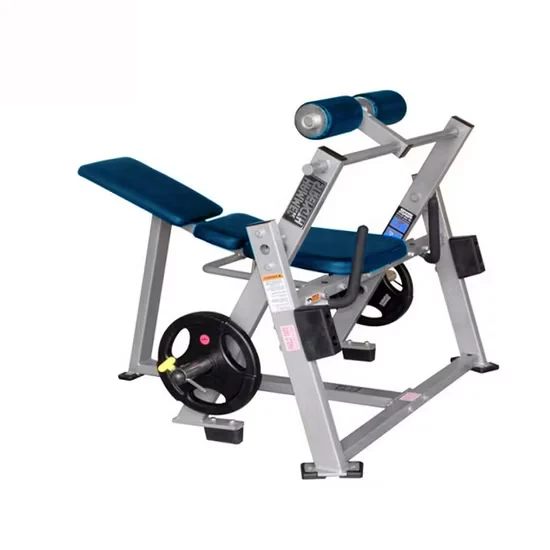
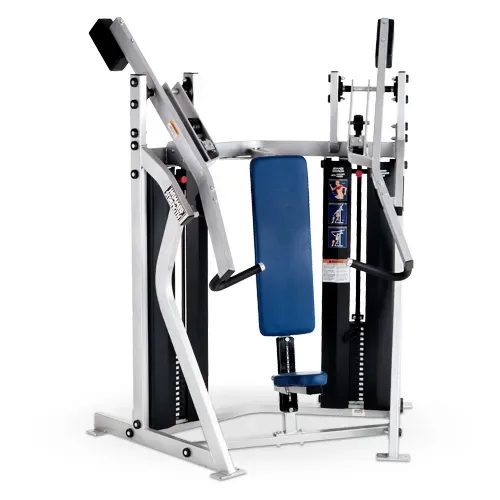
MTS-8012 Plate Loaded V-Squat Machine, 341 Kg Net Weight, 244×79×201 Cm — engineered with industrial-grade steel frame and continuous welding for high-traffic commercial environments, featuring plate-loaded resistance system and customizable finish options. Every unit undergoes full load testing before shipment, ensuring structural integrity under heavy commercial use.
Built for commercial gyms and strength training facilities requiring reliable, heavy-duty equipment with verified structural performance.
// Spec Highlights
• Direct from Manufacturer · No Middlemen · Worldwide Shipping
01
// Material
Imported Solid Wood
Premium hardwood frames sourced for density and visual warmth.
02
// Hardware
Medical-Grade Silent
Whisper-quiet pulleys and springs for clinical environments.
03
// Customization
Appearance OEM
Color, upholstery, and branding tailored to your studio.
04
// Service
Layout Design
Free venue planning for studios and rehab institutions.
Every component is selected for longevity, performance, and aesthetic harmony - from imported hardwood frames to silent medical-grade accessories.
// Features
Fully Traceable 11-Gauge Steel — Every tube in the MTS-8012 frame traces back to the original Q345 mill coil, eliminating the guesswork behind vague "commercial grade" claims.
| Parameter | Value |
|---|---|
| Designation | MTS-8012 |
| Product Type | Plate Loaded V-Squat Machine |
| Frame Steel Gauge | 11-gauge |
| Frame Tube Size | 3×3 inch |
| Steel Grade | Q345 industrial steel, mill-certified |
| Welding Type | Robotic MIG continuous weld |
| Loading Type | Plate loaded |
| Weight Stack | 100 Kg starting resistance |
| Bearing Type | Sealed industrial bearings |
| Pulley System | Aircraft-cable pulley system |
| Upholstery | High-density commercial vinyl, replaceable covers available |
| Powder Coating | 200μm scratch-resistant, sandblast pre-treated |
| Product Dimensions | 244 Cm X 79 Cm X 201 Cm |
| Footprint | 244 Cm X 79 Cm |
| Net Weight | 341 Kg |
| Certification | CE, ISO, RoHS, SGS |
| Color Options | Customized frame and upholstery colors |
| Assembly State | Unfolded |
| Facility Type | Typical Use |
|---|---|
| Commercial gym strength floor | Primary lower-body compound station for high-traffic member use |
| University strength and conditioning room | Heavy-load squat pattern training for varsity athletes |
| CrossFit box functional zone | Accessory leg strength work paired with Olympic lifting platforms |
| Hotel fitness center | Space-efficient bilateral leg press alternative in compact layouts |
| Rehabilitation and performance center | Controlled closed-chain lower-body loading with guided movement path |
A continuous MIG weld line keeps the V-squat carriage tracking true long after spot-welded alternatives develop lateral play.
I spent years pulling apart equipment on gym floors across the Pearl River Delta. The pattern is always the same: a plate loaded V-squat machine rated for heavy commercial use starts rattling within eighteen months. The frame tubes look thick enough, but the joints where the carriage arms meet the main uprights were spot-welded to save cycle time. Under repeated eccentric loading from athletes dropping into deep squats, those discrete weld points develop micro-cracks that propagate until the carriage drifts off-axis [NEED_CITE: weld classification and fatigue performance in structural steel]. The MTS-8012 addresses this with robotic MIG continuous welds along every load-bearing joint. No skipped segments, no cold starts mid-seam. When you load six plates per side and drop into the bottom position, the stress distributes along the full weld line instead of concentrating at isolated points.
The V-squat pattern occupies a specific niche between the back squat rack and the leg press. It loads the quadriceps and glutes through a guided sagittal-plane path while removing spinal compression from the equation. On a commercial gym strength floor, this machine absorbs traffic from members who want heavy lower-body work without the technical demand of free-weight squats. It pairs naturally with a hip thrust station and a Romanian deadlift platform to create a complete posterior and anterior chain zone. The relatively narrow 79 cm footprint means it slots into bays that cannot accommodate a full hack squat sled. Users ranging from shorter lifters who struggle with barbell squat depth to larger athletes loading heavy plates will find the guided track accommodates their range without requiring spotter intervention. The commercial plate loaded V-squat machine earns its floor space by serving the widest possible member demographic with minimal supervision.
Every repetition on this machine generates a distinct load profile. The descent phase produces eccentric forces that peak at the bottom transition, where the carriage reverses direction and the weld joints experience combined shear and bending moments. In a busy gym running twelve hours daily, that transition point cycles through tens of thousands of repetitions per year. Sealed industrial bearings at the pivot points prevent dust and chalk infiltration that would otherwise accelerate wear and introduce lateral slop into the movement path [NEED_CITE: EN 957 structural requirements for stationary training equipment]. The powder coating faces constant abrasion where plates contact the loading horns and where users grip the handles during heavy sets. A 200μm coating applied over sandblast-prepared steel holds up against this contact wear far longer than thin decorative finishes that chip down to bare metal within the first season. The upholstery on the back pad endures compressive loading from users driving through heavy sets, demanding high-density foam that resists permanent deformation.
Frame steel gauge tells you how much the tube resists bending under load. An 11-gauge tube has a wall thickness that meaningfully outperforms thinner gauges when a loaded carriage reaches the bottom of the squat path and the frame must resist the combined weight without deflection. The 3×3 inch tube cross-section provides a large moment of inertia, which is the geometric property that actually determines stiffness. Robotic MIG welding produces consistent penetration depth across the entire seam, whereas manual welding introduces variability that becomes the weakest link under cyclic loading. Sealed bearings eliminate the maintenance schedule that unsealed bushings demand in dusty gym environments where chalk and skin cells accumulate on every surface. The 200μm powder coating thickness, verified after curing, provides a wear layer thick enough to survive plate contact and cleaning chemicals without exposing the substrate to corrosion.
Thinner frame tubes save material cost upfront but introduce visible flex when a strong user loads the carriage heavily, and that flex accelerates fatigue at every joint downstream. Spot welding reduces production time but creates discrete stress risers that crack under the cyclic reversal forces inherent in squat repetitions. Non-sealed bearings feel smooth on day one but develop play as gym dust infiltrates the raceway, eventually requiring full bearing replacement and machine downtime [NEED_CITE: bearing seal classification and contamination ingress protection]. Thin powder coating chips at the plate loading horns within months, exposing raw steel to sweat and humidity that triggers rust streaks running down the upright. Low-density upholstery foam compresses permanently within a year of commercial use, leaving a pad that no longer supports the user’s back through full range of motion and requires costly reupholstering.
The 11-gauge Q345 steel in this frame traces to a specific mill coil, so you can verify material properties rather than trusting a generic "commercial grade" label. Robotic MIG continuous welding on the MTS-8012 means every unit carries the same weld quality, not just the sample that passed inspection. Each machine undergoes load testing before crating, confirming that the carriage tracks smoothly under weight rather than relying on batch sampling. The 200μm powder coating over sandblast preparation keeps the frame looking intact through years of plate contact and chemical cleaning. A 10-year frame warranty backs the structural steel, which matters when you are amortizing equipment over a long lease. For facility planning, the 244 × 79 cm footprint and required safety clearances are available in CAD files so you can confirm the unit fits your strength zone layout before committing to the order. OEM color and logo customization allows the machine to match your brand palette without compromising structural specifications.
Provide your strength floor dimensions and current equipment list so the layout team can generate a 2D or 3D placement plan showing the MTS-8012 in context with your existing stations. Specify your expected daily user volume so the structural grade matches your traffic pattern. Confirm the height and weight range of your primary user population to verify the movement path accommodates full range without adjustment limitations. Communicate any custom frame color, logo placement, or upholstery material requirements so the production team can quote the OEM configuration accurately.
Q: How do you distinguish commercial-grade from light-commercial frame construction?
A: Request the steel gauge and tube cross-section dimensions in writing, then ask for the mill certificate that traces the material to its production coil. Commercial frames use thicker gauge steel with continuous robotic welding at load-bearing joints. Light-commercial units often rely on thinner tubes and spot welding that passes visual inspection but cannot withstand years of heavy cyclic loading.
Q: What difference does 11-gauge steel make compared to thinner gauges under heavy loads?
A: Thicker gauge steel increases the tube wall thickness, which raises the frame’s resistance to bending when the carriage is loaded heavily at the bottom of the squat path. This reduces visible flex during use and extends the fatigue life of welded joints by keeping stress levels lower across each repetition cycle.
Q: When should a gym choose plate-loaded over selectorized equipment?
A: Plate-loaded machines serve environments where users load heavy resistance and prefer the incremental loading flexibility of standard Olympic plates. Selectorized units offer faster weight changes and are better suited to high-turnover circuits where members move between stations quickly. Many facilities install both types to serve different training styles.
Q: How do you determine safe spacing between stations on a strength floor?
A: Each station requires clearance on all sides for user entry, plate loading, and emergency exit. Request CAD layout files from the manufacturer showing the exact footprint plus recommended safety zones. This prevents unusable gaps and ensures members can move between equipment without crowding or tripping hazards.
Q: What maintenance do sealed bearings require compared to unsealed bushings?
A: Sealed bearings prevent dust, chalk, and moisture from entering the raceway, which means they maintain smooth operation for years without servicing. Unsealed bushings allow contamination to accumulate, developing lateral play that requires regular cleaning, lubrication, and eventual replacement to keep the carriage tracking correctly.
Premium aesthetics meet quiet operation for boutique studio environments.
Medical-grade silence and precision for sports & postpartum recovery.
Furniture-grade craftsmanship for premium residential installations.
Compact premium setups for one-on-one and small-group training.
Aesthetic Pilates integration for hybrid wellness studio programming.
Multi-unit deployment with instructor-grade reliability for certification programs.
Tell us about your project. Our team will respond within 24 hours with pricing, customization options, and shipping details.
// Sales Director
William
+86 132 2531 1800
// Export Manager
Bella
+86 198 5412 8032
william@bickfit.com