01 / Scenario
STUDIO
P
High-End Pilates Studios
Premium aesthetics meet quiet operation for boutique studio environments.

ISO
9001
CE
Certified
OEM
Available
10YR
Warranty
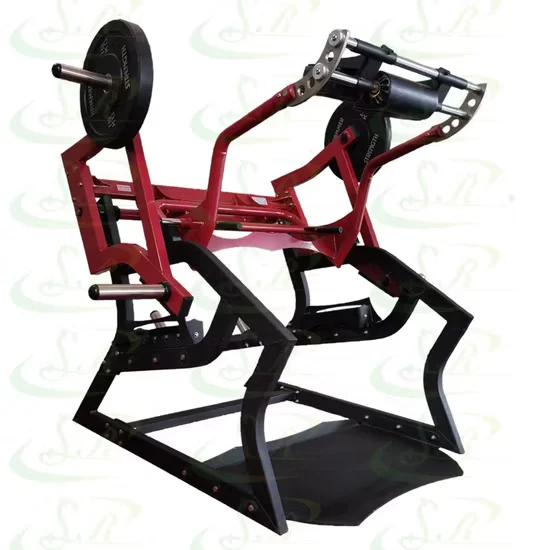
OS-H5035 Selectorized Tibia Dorsi Flexion Machine, Pin-Select Loading, 950×380×336mm — engineered for high-repetition lower-leg isolation in commercial training zones with customizable frame and cushion color options. ISO9001 and CE certified for institutional and professional gym environments. Every unit undergoes three-stage QC inspection with individual load testing before shipment.
// Spec Highlights
• Direct from Manufacturer · No Middlemen · Worldwide Shipping
01
// Material
Imported Solid Wood
Premium hardwood frames sourced for density and visual warmth.
02
// Hardware
Medical-Grade Silent
Whisper-quiet pulleys and springs for clinical environments.
03
// Customization
Appearance OEM
Color, upholstery, and branding tailored to your studio.
04
// Service
Layout Design
Free venue planning for studios and rehab institutions.
Every component is selected for longevity, performance, and aesthetic harmony - from imported hardwood frames to silent medical-grade accessories.
// Features
Mill-Traceable Steel — Every tube in the OS-H5035 frame traces back to its coil certificate, not a vague commercial-grade claim.
| Parameter | Value |
|---|---|
| Designation | OS-H5035 |
| Product Type | Selectorized Tibia Dorsi Flexion Machine |
| Loading Type | Pin select |
| Product Dimensions | 950×380×336 mm |
| Net Weight | 27 kg |
| Assembly State | Unfolded |
| Power Source | Manual |
| Color Options | Main frame and cushion color according to customer requirements |
| Certification | ISO 9001, CE |
| OEM/ODM | Acceptable |
| Facility Type | Typical Use |
|---|---|
| Commercial gym strength floor | Dedicated lower-leg isolation station in high-traffic training zones |
| University strength and conditioning room | Athlete lower-leg development and injury prevention programming |
| Rehabilitation and performance center | Controlled dorsiflexion resistance for return-to-play protocols |
| Hotel fitness center | Compact footprint lower-leg option for space-constrained fitness floors |
| Community fitness center | Accessible selectorized lower-leg training for general membership |
A selectorized tibia dorsi flexion machine must resist cyclic deflection at every footplate contact point or the movement path degrades within months.
Lower-leg isolation equipment often gets treated as a secondary purchase, which means manufacturers cut costs on frame gauge and welding continuity. The result shows up quickly in commercial environments: footplate wobble develops, pivot bearings gain play, and users start avoiding the station entirely. When the frame tube wall is too thin for the repetitive loading cycle that dorsiflexion demands, micro-deflection accumulates at the weld junctions and the structural integrity degrades long before any visible crack appears [NEED_CITE: EN 957 structural requirements for stationary training equipment]. A commercial selectorized tibia dorsi flexion machine that cannot hold its geometry under daily use becomes dead floor space.
This machine targets the tibialis anterior and supporting dorsiflexor musculature through a controlled, isolated movement plane. On a commercial strength floor, it complements calf raise stations and leg press units by addressing the anterior lower-leg chain that most compound movements neglect. The compact 950×380 mm footprint allows placement in dedicated lower-leg zones without consuming the clearance required by larger multi-joint stations. Selectorized pin-select loading accommodates users across a wide strength spectrum, from rehabilitation patients progressing through light resistance to athletes loading heavy dorsiflexion sets, making the commercial selectorized tibia dorsi flexion machine viable across diverse membership profiles.
Dorsiflexion training generates repetitive eccentric and concentric loading concentrated at the footplate pivot axis. In a high-traffic commercial gym, this station may see hundreds of cycles daily, each one transmitting force through the pivot bearing and into the frame weld at the base junction. Over time, insufficient weld penetration or non-sealed bearings develop play that manifests as footplate rattle and inconsistent resistance feel. The powder coating at the footplate contact zone endures repeated shoe abrasion and sweat exposure, meaning thin or poorly pre-treated coatings chip and expose bare steel to corrosion [NEED_CITE: weld classification and fatigue performance in structural steel]. Upholstery on the shin pad faces compression cycling that causes low-density foam to collapse and split under daily commercial use.
Frame steel gauge and tube cross-section dimensions define the deflection threshold under load. A thicker-walled tube with a larger cross-section resists bending moments at the pivot junction far better than a thin-walled alternative, maintaining movement path consistency through thousands of repetition cycles. Welding method determines fatigue life at high-stress junctions; continuous robotic MIG welding distributes stress along an uninterrupted bead, whereas spot welding creates discrete stress concentration points that initiate cracks under cyclic loading. Sealed industrial bearings prevent sweat, chalk dust, and cleaning chemicals from penetrating the pivot mechanism, extending maintenance intervals compared to unsealed bushings that develop rotational play within months. Powder coating thickness and pre-treatment determine how well the finish survives contact-point abrasion at the footplate and pad zones, with thicker industrial-grade coatings resisting chip-through to bare metal.
Purchasing lower-leg isolation equipment based on lowest cost creates predictable downstream expenses. Thin-walled frame tubing deforms under repetitive dorsiflexion loading, requiring frame replacement once footplate wobble exceeds acceptable tolerance. Spot-welded junctions crack under cyclic stress, creating liability exposure in commercial environments where equipment failure can cause user injury. Non-sealed pivot bearings require frequent replacement as play develops, generating maintenance labor costs and station downtime. Low-density upholstery compresses and splits within months of commercial use, demanding pad replacement cycles that add material and labor expense. Insufficient powder coating chips at high-contact zones, leading to corrosion that compromises structural appearance and eventually requires full frame refinishing or replacement [NEED_CITE: commercial gym equipment lifecycle cost analysis].
Steel sourcing traceable to the mill certificate means every frame tube in the OS-H5035 has verifiable gauge and grade documentation rather than a generic commercial-grade label. Robotic continuous MIG welding eliminates the spot-weld weak points that fail first under cyclic dorsiflexion loading. Every unit undergoes load testing before shipment, confirming structural performance on an individual basis rather than relying on sample-batch assumptions. The 200μm industrial powder coating provides chip resistance at the footplate contact zone and pivot junction where abrasion concentrates. A 10-year frame warranty reflects confidence in long-term structural durability under commercial conditions. CAD floor planning support ensures the 950×380 mm footprint integrates into lower-leg training zones with proper safety clearances between adjacent stations. OEM customization allows frame and cushion color specification to match facility branding requirements.
Provide your lower-leg training zone dimensions and current equipment list to receive a 2D or 3D floor plan showing the OS-H5035 placement with proper safety clearances. Specify your facility’s average daily user volume so we can confirm the structural grade matches your traffic demands. Share your target user population’s body type range to verify the pad positioning accommodates your membership. Indicate any custom frame color, cushion color, or logo requirements for branding alignment.
Q: How do you distinguish commercial-grade from light-commercial selectorized machines based on frame specs?
A: Request mill-certified steel documentation showing gauge and grade rather than accepting a generic commercial-grade label. Inspect welding continuity at load-bearing joints, confirming continuous MIG welds rather than spot welds. Verify bearing type is sealed industrial grade. Review whether load testing is performed on every unit or only on sample batches.
Q: What frame specifications are required for repetitive lower-leg training loads?
A: Frame tube gauge and cross-section dimensions must resist cyclic deflection at the pivot junction. Thicker-walled steel with adequate cross-section maintains movement path consistency under hundreds of daily repetition cycles. Continuous welding at stress junctions prevents fatigue crack initiation that spot welds are prone to under repetitive dorsiflexion loading patterns.
Q: How does bearing type affect maintenance frequency in high-traffic commercial environments?
A: Sealed industrial bearings prevent sweat, chalk dust, and cleaning chemicals from contaminating the pivot mechanism, maintaining smooth operation over extended periods. Unsealed bushings allow particulate ingress that accelerates wear, developing rotational play that requires replacement. Sealed bearings meaningfully extend maintenance intervals and reduce station downtime in high-traffic facilities.
Q: What powder coating specifications prevent chipping at contact points?
A: Coating thickness and pre-treatment process determine chip resistance at high-abrasion zones like footplates and pad contact areas. Industrial-grade powder coating at adequate thickness, applied over proper surface pre-treatment, resists shoe abrasion and cleaning chemical exposure. Thin coatings chip through to bare steel, initiating corrosion that compromises both appearance and structural integrity.
Q: How should equipment spacing be planned for dedicated lower-leg training zones?
A: Measure each station’s footprint and add manufacturer-specified safety clearances on all sides for user entry, exit, and movement. Consider traffic flow patterns between adjacent machines to prevent congestion during peak hours. Request CAD floor planning support to verify that spacing accommodates your specific lower-leg equipment configuration while maintaining safe passage widths.
Premium aesthetics meet quiet operation for boutique studio environments.
Medical-grade silence and precision for sports & postpartum recovery.
Furniture-grade craftsmanship for premium residential installations.
Compact premium setups for one-on-one and small-group training.
Aesthetic Pilates integration for hybrid wellness studio programming.
Multi-unit deployment with instructor-grade reliability for certification programs.
Tell us about your project. Our team will respond within 24 hours with pricing, customization options, and shipping details.
// Sales Director
William
+86 132 2531 1800
// Export Manager
Bella
+86 198 5412 8032
william@bickfit.com