01 / Scenario
STUDIO
P
High-End Pilates Studios
Premium aesthetics meet quiet operation for boutique studio environments.

ISO
9001
CE
Certified
OEM
Available
10YR
Warranty
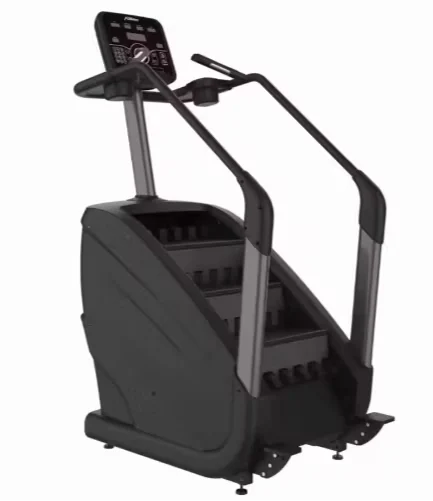
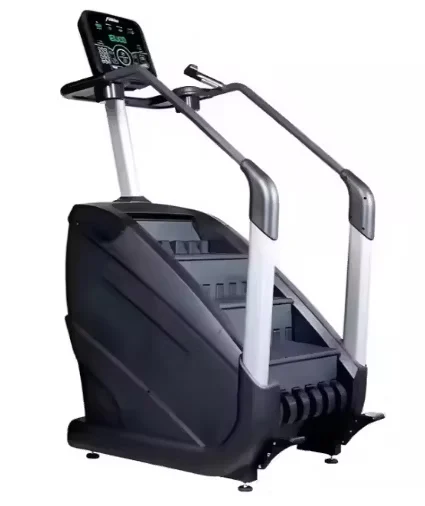
SQ1017 Commercial Stair Climber, Motor-Driven, 15–164 Steps/Min Variable Speed — engineered with a 148 kg steel frame for vibration-free operation at high cadence, featuring 560×235×220 mm PP steps and integrated heart-rate OSD for data tracking in high-traffic facilities. Every unit undergoes full load and run testing before shipment, backed by a 10-year frame warranty and free floor planning support.
// Spec Highlights
• Direct from Manufacturer · No Middlemen · Worldwide Shipping
01
// Material
Imported Solid Wood
Premium hardwood frames sourced for density and visual warmth.
02
// Hardware
Medical-Grade Silent
Whisper-quiet pulleys and springs for clinical environments.
03
// Customization
Appearance OEM
Color, upholstery, and branding tailored to your studio.
04
// Service
Layout Design
Free venue planning for studios and rehab institutions.
Every component is selected for longevity, performance, and aesthetic harmony - from imported hardwood frames to silent medical-grade accessories.
// Features
Motor-Driven Stability at 148 kg — The SQ1017 stair climber anchors itself with a steel pipe frame and motor drive system, delivering vibration-free operation across the full 15–164 steps/min speed range.
| Parameter | Value |
|---|---|
| Designation | SQ1017 |
| Product Type | Commercial Stair Climber |
| Frame Material | Steel Pipe |
| Step Surface Material | PP Plastic |
| Drive Type | Motor Drive |
| Mains Input | AC220V±10% / AC110V±10% |
| Running Velocity | 15–164 steps/min |
| Step Area | 560×235×220 mm |
| OSD Display | Time, Climb, Calories, Steps, Heart Rate |
| Net Weight | 148 kg |
| Product Dimensions | 1450×820×2080 mm |
| Certification | CE |
| Condition | New |
| Facility Type | Typical Use |
|---|---|
| Commercial Gym Strength Floor | High-traffic cardio zone for continuous member use |
| Hotel Fitness Center | Guest-facing aerobic conditioning with low noise profile |
| University Athletic Department | Pre-season conditioning and sport-specific endurance testing |
| Rehabilitation and Performance Center | Controlled low-impact stair simulation for recovery protocols |
Many units marketed as a commercial stair climber for gym environments rely on lightweight tubing and open bearings that develop play within months of daily operation. The SQ1017 counters this with a 148 kg steel pipe chassis that suppresses resonance even at maximum cadence. Operators who have deployed thin-gauge alternatives report audible motor strain and lateral pedal drift once step frequency exceeds moderate thresholds — structural mass and frame rigidity are not optional in continuous-use cardio equipment [NEED_CITE: vibration damping requirements for motor-driven stationary equipment].
The SQ1017 occupies the vertical-step cardio category, targeting lower-body endurance through continuous climbing motion across the gluteal, quadricep, and calf muscle groups. It complements horizontal cardio units such as treadmills and rowers by adding a sagittal-plane load that mimics actual elevation gain. The 560×235×220 mm step area accommodates a wide range of stride lengths, making the commercial stair climber for gym installations suitable for both compact facility layouts and high-density aerobic floors.
Motor-driven stair climbers face sustained torsional loads at the pedal pivot points and continuous bearing rotation at the drive shaft. The SQ1017’s steel pipe frame distributes these forces across welded joints rather than relying on bolted connections that loosen over time. At 15–164 steps/min, the drive motor cycles through variable torque demands — sealed bearing selection and proper shaft alignment determine whether the unit operates quietly through its service life or develops grinding noise within the first year [NEED_CITE: bearing seal classification for high-cycle rotational components]. The PP plastic step surface resists compression deformation that foam-padded alternatives exhibit under repeated foot strikes.
The steel pipe frame of the SQ1017 provides the torsional rigidity needed to prevent lateral flex during single-leg loading phases — a failure mode common in units that use rectangular tubing below adequate wall thickness. Motor drive systems require stable mounting plates welded directly to the frame rather than bolted brackets, which introduce harmonic vibration at higher cadences. The 148 kg net weight is not merely a shipping figure; it reflects the mass of steel required to anchor the drive mechanism and pedal assembly without floor anchoring. The CE certification confirms electrical safety compliance for the AC220V/AC110V dual-voltage motor configuration [NEED_CITE: EN 957 structural requirements for stationary training equipment].
Units that sacrifice frame mass to reduce shipping costs develop pedal wobble that accelerates bearing wear and creates unsafe stepping conditions. Open bearings in stair climber mechanisms allow sweat and dust ingress, leading to premature seizure that requires full disassembly for replacement. Non-sealed pulley systems in cable-driven variants suffer similar degradation. Thin powder coating on high-contact handrails chips within months, exposing bare steel to corrosion from sweat and cleaning chemicals — a cosmetic failure that signals deeper material compromises throughout the frame.
The SQ1017 is engineered for operators who need a commercial stair climber for gym environments where equipment uptime directly impacts member retention. The steel pipe frame and motor drive system are designed for 8+ hours of daily operation without performance degradation. The 1450×820×2080 mm footprint allows facility planners to integrate the unit into existing cardio rows with standard 600 mm safety clearance between stations. CE certification ensures compliance for commercial installation across European and international markets. The integrated heart rate display and multi-parameter OSD support member engagement without requiring separate telemetry systems.
Operators planning cardio zone layouts should provide floor dimensions and adjacent equipment specifications to receive 2D-3D space planning support. Daily usage estimates help determine whether the motor drive configuration matches the facility’s operational intensity. Target user population information ensures the step area dimensions and handlebar height accommodate the intended member demographic. Custom color and branding options are available for multi-location deployments requiring visual consistency across facilities.
Q: How does motor drive compare to self-generated power in commercial stair climbing equipment?
A: Motor drive provides consistent step speed regardless of user weight or effort level, ensuring predictable training intensity across all users. Self-generated systems require minimum user effort to activate and may feel sluggish for lighter individuals. Motor-driven units draw continuous AC power but eliminate the maintenance complexity of generator mechanisms and capacitor banks that degrade over time in self-powered alternatives.
Q: What structural differences separate commercial stair climbers from light-commercial or residential models?
A: Commercial units use steel pipe frames with adequate wall thickness to resist torsional flex during single-leg loading, while lighter models employ thin-wall tubing that develops lateral play under repeated use. Commercial configurations include sealed bearings rated for continuous rotation, whereas residential units often use open bearings that require frequent replacement. The 148 kg weight of commercial models reflects the structural mass needed to anchor motor drive components without floor bolting.
Q: How should facility planners calculate spacing between stair climbing units?
A: Standard commercial practice requires minimum 600 mm clearance on all sides for safe mounting, dismounting, and emergency access. The 1450×820 mm footprint of the SQ1017 means each unit occupies approximately 2.7 meters by 2.1 meters including safety zones. Wall-mounted units should maintain 300 mm rear clearance for ventilation and service access to the motor drive housing.
Q: What maintenance intervals apply to motor-driven stair climbing equipment in high-traffic gyms?
A: Drive belt tension and bearing rotation should be inspected at 90-day intervals under continuous commercial operation. PP plastic step surfaces require visual inspection monthly for wear patterns that affect foot traction. Motor housing ventilation ports need quarterly cleaning to prevent dust accumulation that causes overheating. Electrical connections at the AC input should be checked annually for terminal tightness and insulation condition.
Premium aesthetics meet quiet operation for boutique studio environments.
Medical-grade silence and precision for sports & postpartum recovery.
Furniture-grade craftsmanship for premium residential installations.
Compact premium setups for one-on-one and small-group training.
Aesthetic Pilates integration for hybrid wellness studio programming.
Multi-unit deployment with instructor-grade reliability for certification programs.
Tell us about your project. Our team will respond within 24 hours with pricing, customization options, and shipping details.
// Sales Director
William
+86 132 2531 1800
// Export Manager
Bella
+86 198 5412 8032
william@bickfit.com